
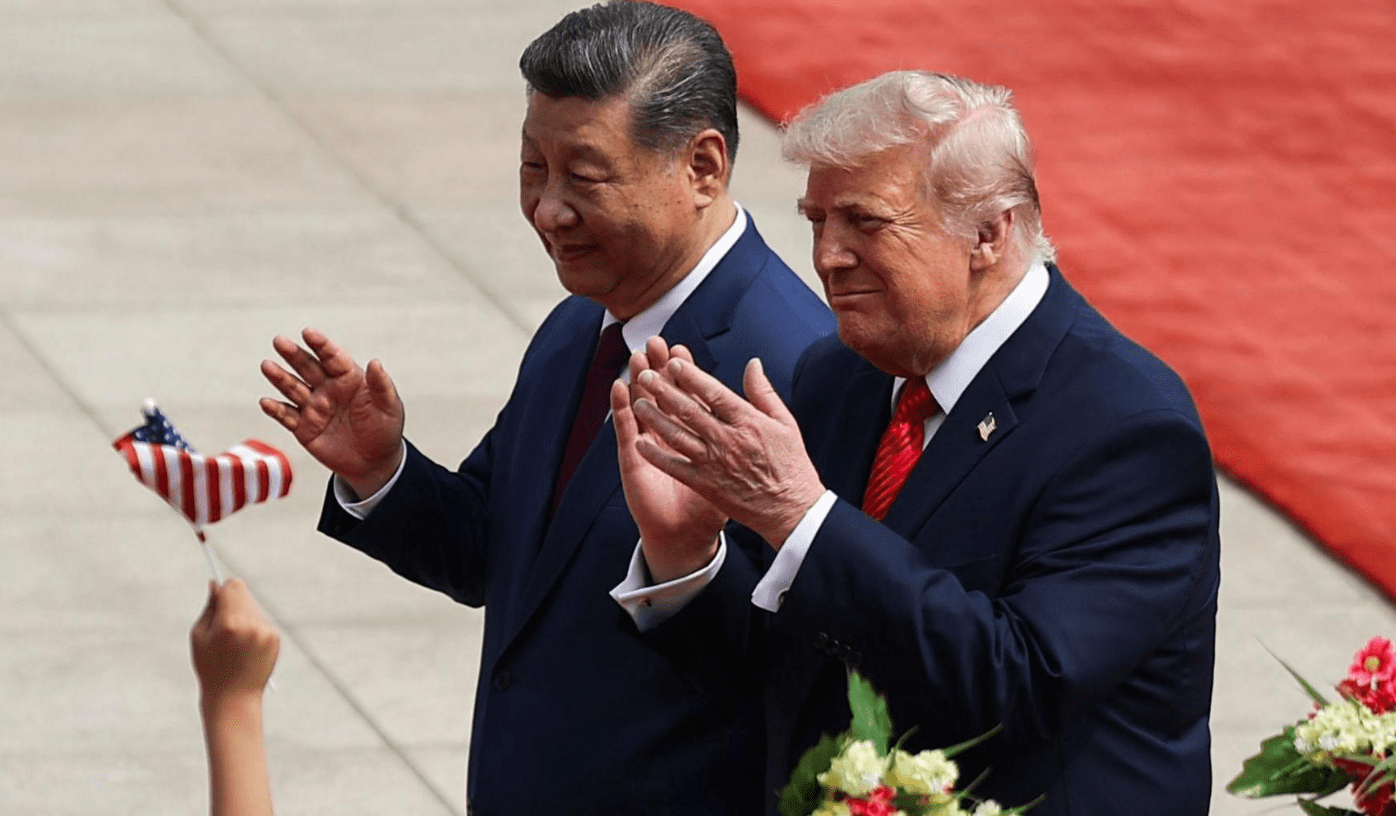
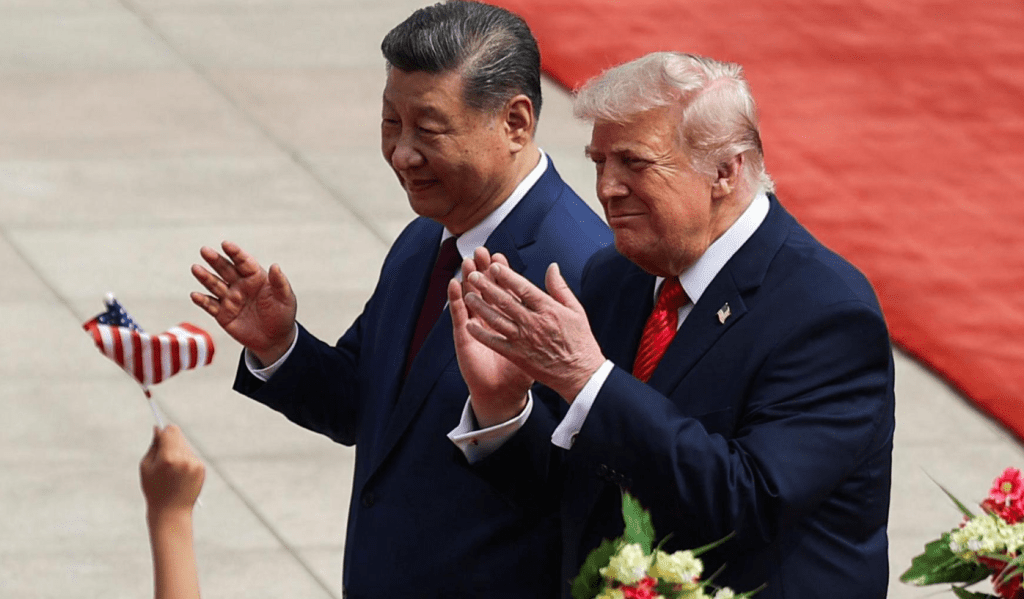
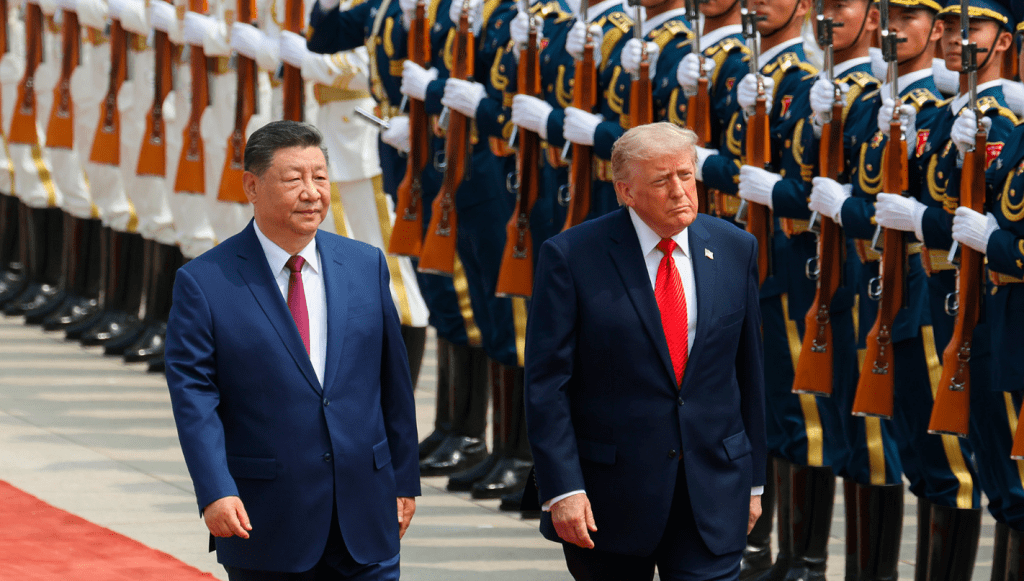
The highly anticipated Trump-Xi summit in Beijing was expected to reshape the geopolitical landscape surrounding the Iran conflict. Instead, the two global powers walked away with sharply different priorities and no major diplomatic breakthrough. While both sides acknowledged the growing pressure on global energy markets, the meetings exposed deep divisions over Iran, the Strait of Hormuz, and the future of Middle East stability.
As the Iran war enters its 80th day, the world is watching closely. Energy prices remain volatile, supply chains are under strain, and fears of wider regional escalation continue to grow. Against that backdrop, the Trump-Xi summit became one of the most closely monitored diplomatic events of the year.
Trump-Xi Summit Highlights Growing Divide Over Iran
The Trump-Xi summit centered heavily on the ongoing conflict involving Iran. For weeks before the visit, Washington had urged Beijing to pressure Tehran into reopening the Strait of Hormuz and reducing military tensions across the Gulf region.
However, the final statements from both governments suggested little real progress.
The White House emphasized security concerns and repeated its position that Iran must never obtain nuclear weapons. China, meanwhile, focused on diplomacy, ceasefire efforts, and long-term regional stability.
Although both leaders publicly stressed the importance of dialogue, their approaches remained fundamentally different.
China Pushes Diplomacy Over Pressure
China used the summit to reinforce its long-standing position that negotiations remain the only viable solution to the Iran conflict.
Beijing condemned the humanitarian impact of the war and warned that prolonged instability could further damage global trade and economic growth. Chinese officials also highlighted the risks posed to international energy supplies as shipping disruptions continue in the Persian Gulf.
President Xi Jinping reportedly promoted a four-point peace framework focused on peaceful coexistence, political negotiations, shared security, and economic cooperation. China also welcomed mediation efforts aimed at reaching a ceasefire.
Notably, Beijing avoided directly criticizing Iran over restrictions in the Strait of Hormuz. That omission stood out because Washington had hoped China would take a firmer stance.
The United States Doubles Down on Security Concerns
The Trump administration maintained a far more aggressive tone throughout the summit.
American officials argued that Iran’s actions in the Strait of Hormuz threaten global energy security and international trade. The White House also stressed that freedom of navigation through the waterway must be restored immediately.
Washington has repeatedly framed the conflict as part of a broader effort to prevent Iran from advancing its nuclear capabilities. During the summit, US officials again insisted that Tehran cannot be allowed to develop nuclear weapons.
At the same time, senior American leaders openly pushed China to use its economic influence over Iran.
US Treasury Secretary Scott Bessent and Secretary of State Marco Rubio both publicly urged Beijing to play a more active role in persuading Tehran to step back from its current actions in the Gulf.
Despite those appeals, China appeared unwilling to significantly shift its position.
Why the Strait of Hormuz Remains Central to the Crisis
The Strait of Hormuz has become one of the most critical flashpoints in the Iran conflict. Roughly 20 percent of the world’s oil and liquefied natural gas previously passed through the narrow waterway before the current disruptions began.
Since March, Iran has imposed restrictions on shipping traffic through the strait. Some vessels have reportedly been forced to negotiate passage under strict conditions, creating uncertainty for global energy markets.
As a result, oil prices have fluctuated sharply while governments worldwide worry about the economic consequences of prolonged instability.
China’s Energy Dependence Complicates Diplomacy
China’s position is particularly complex because it remains heavily dependent on Gulf energy imports. The country is also one of the largest buyers of Iranian oil.
That reality gives Beijing strong incentives to avoid escalating tensions with Tehran.
During the Trump-Xi summit, the White House claimed Xi opposed the militarization of the Strait of Hormuz and rejected any attempt to impose tolls on commercial shipping. However, China’s official statements did not directly confirm those points.
Instead, Beijing focused on broader concerns surrounding energy stability and global economic disruption.
This difference in messaging highlighted another key issue emerging from the summit: both sides appeared eager to shape competing narratives about what had actually been agreed upon behind closed doors.
Iran’s Nuclear Programme Still Divides Washington and Beijing
Another major sticking point during the Trump-Xi summit involved Iran’s nuclear programme.
The White House stated that both nations agreed Iran must never possess nuclear weapons. China’s public statement, however, avoided using that exact language.
Instead, Beijing called for dialogue and political settlement that would address the concerns of all parties involved.
That distinction matters.
China has historically supported negotiated agreements regarding Iran’s nuclear activities, including the Obama-era nuclear deal. Beijing continues to favor diplomatic engagement over military pressure.
Washington, by contrast, has increasingly framed the issue as a direct security threat requiring stronger deterrence measures.
Rising Tensions Increase Global Anxiety
The ongoing standoff is creating anxiety far beyond the Middle East.
Global markets remain sensitive to developments in the Gulf. Shipping costs have climbed, investors are increasingly cautious, and fears of supply shortages continue to ripple across industries.
Meanwhile, diplomatic divisions among major powers make coordinated international action more difficult.
Although both the United States and China publicly support stability, their competing strategic interests limit the possibility of a unified approach.
Trump-Xi Summit Shows Limits of US-China Cooperation
The summit ultimately revealed how difficult meaningful cooperation between Washington and Beijing has become, especially on sensitive geopolitical crises.
Despite extensive meetings and public displays of diplomacy, neither side appeared willing to compromise on core positions involving Iran.
The United States wanted stronger Chinese pressure on Tehran. China instead prioritized diplomacy, ceasefire efforts, and regional negotiations.
At the same time, both powers remain deeply aware of the economic stakes tied to the Strait of Hormuz and broader Middle East stability.
That creates an unusual dynamic. Washington and Beijing share concerns about energy security and global trade disruption, yet they fundamentally disagree on how to resolve the crisis.
What Happens Next?
The lack of a major breakthrough at the Trump-Xi summit means uncertainty will likely continue in the coming weeks.
The Iran conflict remains unresolved. Shipping disruptions in the Strait of Hormuz continue to threaten global markets. Diplomatic negotiations appear fragile, and military tensions remain dangerously high.
For now, China seems determined to maintain its balanced approach while avoiding direct confrontation with Iran. The United States, meanwhile, continues pushing for stronger international pressure against Tehran.
As geopolitical tensions intensify, the summit may ultimately be remembered less for what was achieved and more for what failed to happen.
The Trump-Xi summit highlighted the growing complexity of global diplomacy in an era where economic interdependence collides with strategic rivalry. And with the Iran crisis far from over, the world may soon discover whether diplomacy still has room to succeed.








Comments are closed.