
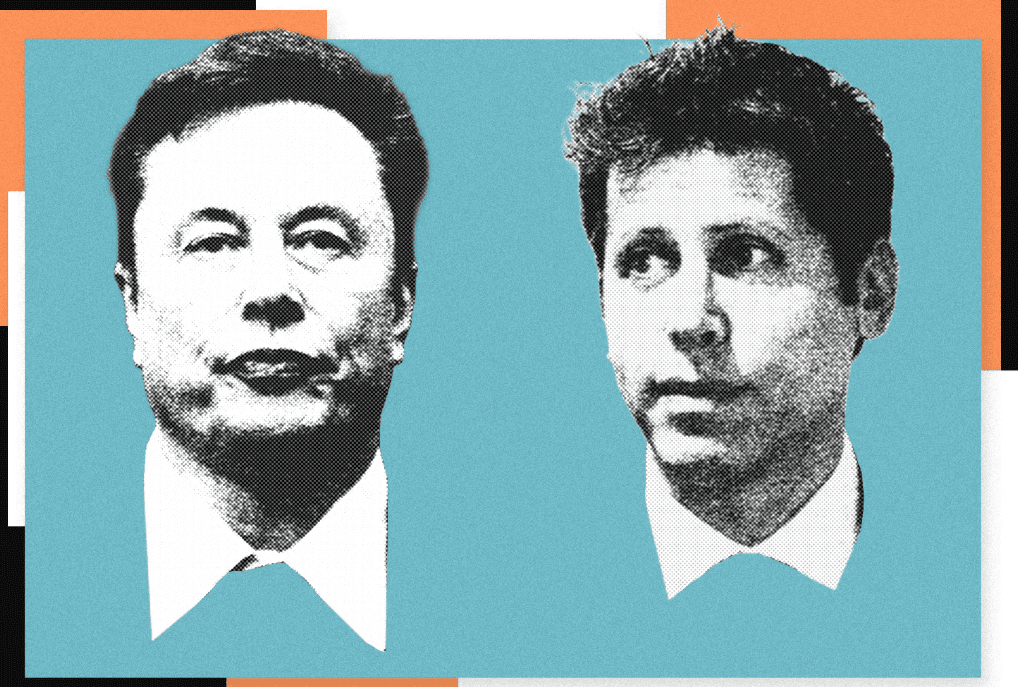
The long-running feud between Elon Musk and Sam Altman has entered a dramatic new chapter after a California jury delivered a decisive legal victory to OpenAI. However, despite the courtroom loss for Musk, the bitter battle over the future of artificial intelligence appears far from finished.
On Monday, a jury in Oakland ruled that Musk waited too long to file his massive lawsuit against OpenAI, Altman, and company president Greg Brockman. The verdict effectively dismissed Musk’s staggering $150 billion legal challenge before jurors even addressed the explosive accusations at the heart of the case.
While OpenAI escaped what could have become one of Silicon Valley’s most disruptive legal showdowns, the ruling leaves many bigger questions surrounding AI ethics, corporate power, and the future of artificial intelligence unanswered.
Meanwhile, Musk has already announced plans to appeal, ensuring the high-profile conflict between two of tech’s most influential figures will continue dominating headlines.
The OpenAI Verdict Delivers a Huge Win for Sam Altman
The decision marks a significant victory for Sam Altman and OpenAI at a critical moment in the company’s rapid expansion.
Jurors unanimously concluded that Musk’s lawsuit had exceeded the legal statute of limitations, meaning he waited too long to bring his claims before the court. After less than two hours of deliberation, the nine-member jury sided entirely with OpenAI’s legal team on the procedural issue.
As a result, US District Judge Yvonne Gonzalez Rogers formally dismissed the case.
The outcome removes a major legal threat hanging over OpenAI as the company continues strengthening its partnership with Microsoft while expanding its dominance within the global artificial intelligence race.
For Musk, however, the verdict provides room to argue that the case was dismissed on timing rather than substance. Shortly after the ruling, he doubled down on his accusations through social media, claiming OpenAI executives had “enriched themselves by stealing a charity.”
That response immediately signaled the legal and public relations war is nowhere near over.
How Elon Musk and Sam Altman Went From Allies to Rivals
The origins of the Musk vs Altman conflict date back to 2015 when both men helped launch OpenAI as a nonprofit artificial intelligence research organisation.
At the time, concerns were growing throughout Silicon Valley about the potential dangers of unchecked AI development. Musk and Altman positioned OpenAI as a mission-driven alternative focused on building safe artificial intelligence that would benefit humanity rather than shareholders.
According to testimony presented during the trial, the nonprofit structure was viewed as essential to attracting elite researchers while competing against major technology companies like Google.
Musk reportedly contributed roughly $38 million during OpenAI’s early development. However, tensions between the founders eventually escalated as the company evolved.
In 2018, Musk resigned from OpenAI’s board, officially citing potential conflicts related to Tesla’s own growing AI ambitions. Behind the scenes, though, the relationship between Musk and Altman was already deteriorating.
The conflict intensified dramatically after OpenAI created a for-profit subsidiary and accepted massive investments from Microsoft.
That transformation would ultimately become the central issue behind Musk’s lawsuit.
Why Musk Sued OpenAI for $150 Billion
At the core of Musk’s legal argument was the claim that OpenAI abandoned its original nonprofit mission in pursuit of enormous commercial profits.
Musk accused Altman and Brockman of turning OpenAI into a profit-driven corporate powerhouse while benefiting personally from the company’s explosive growth.
The lawsuit argued that OpenAI betrayed the principles on which it was founded by prioritizing commercial expansion, partnerships, and investor interests over public benefit.
Over the last several years, OpenAI has become one of the most influential companies in the world thanks largely to the rise of ChatGPT and the broader AI boom.
Backed heavily by Microsoft, OpenAI’s valuation reportedly climbed above $800 billion as artificial intelligence transformed into Silicon Valley’s hottest industry sector.
At the same time, Musk launched his own rival artificial intelligence company, xAI, creator of the Grok chatbot platform.
That development added another layer of rivalry to an already complicated relationship.
Why the Lawsuit Collapsed Before the Main Questions Were Answered
Despite the enormous attention surrounding the case, the courtroom battle ultimately centered on a highly technical legal issue rather than the broader ethical debate many expected.
The key question became whether Musk had waited too long to sue.
Because he filed the lawsuit in 2024, Musk needed to convince jurors that he only fully understood OpenAI’s alleged transformation into a for-profit company within the legal time frame required for his claims.
However, OpenAI’s lawyers presented evidence suggesting Musk had known about plans for commercial restructuring years earlier.
Court testimony reportedly included documents dating back to 2017 and 2018 discussing the possibility of OpenAI raising billions through a for-profit structure. Lawyers argued Musk was fully aware of those discussions long before filing the lawsuit.
Ultimately, the jury agreed.
That decision meant jurors never reached the more explosive question of whether OpenAI actually violated its founding mission.
For many observers, that unresolved issue remains the most fascinating part of the entire dispute.
The Bigger AI Questions Still Have No Clear Answers
Although OpenAI secured a major legal victory, the case failed to settle many of the broader concerns surrounding artificial intelligence development.
The lawsuit touched on several issues currently dominating global conversations around AI, including:
- Who should control advanced artificial intelligence
- Whether AI companies can prioritize profit while claiming public benefit
- How AI training systems use data and personal information
- The ethical responsibilities of powerful technology companies
- The growing concentration of AI power within a handful of corporations
Critics argue modern AI systems depend heavily on extracting enormous quantities of online data, often without clear user consent or compensation.
Those concerns have fueled growing debates around transparency, copyright, privacy, and labor within the AI industry.
However, because the Musk lawsuit collapsed on procedural grounds, the court never directly addressed most of those larger questions.
That means the broader debate surrounding AI governance remains very much unresolved.
OpenAI’s Rapid Growth Continues Despite Legal Pressure
The verdict arrives during a transformative period for OpenAI and the wider technology industry.
Since launching ChatGPT, OpenAI has become one of the most influential companies driving the global AI revolution. Businesses, governments, and investors continue pouring billions into artificial intelligence infrastructure as competition intensifies worldwide.
Its partnership with Microsoft remains especially important.
The collaboration has allowed OpenAI to scale rapidly while integrating AI tools into major consumer and enterprise products across the tech sector.
Meanwhile, Musk’s xAI continues emerging as one of OpenAI’s biggest rivals.
That competitive dynamic ensures the personal and ideological battle between Musk and Altman will likely extend far beyond the courtroom.
What Happens Next in the Musk vs Altman Feud?
Although OpenAI won this round, Elon Musk’s decision to appeal guarantees the legal conflict will continue.
The appeal process could potentially reopen questions surrounding OpenAI’s corporate transformation, its relationship with Microsoft, and the broader responsibilities of AI companies operating at enormous scale.
At the same time, public scrutiny surrounding artificial intelligence is only intensifying.
Governments worldwide are racing to develop regulations around AI safety, data use, competition, and accountability. As artificial intelligence becomes more deeply integrated into society, the ethical and political battles surrounding the technology will likely grow even more contentious.
The Musk vs Altman rivalry has now become symbolic of those wider tensions shaping the future of AI itself.
Conclusion
The OpenAI verdict delivered a major courtroom victory for Sam Altman and OpenAI, but it did little to end the broader battle between Elon Musk and the company he once helped create.
While the lawsuit collapsed due to timing issues, many of the biggest questions surrounding artificial intelligence remain unanswered. Concerns over profit, ethics, governance, and corporate control continue fueling debate across the tech industry.
With Musk preparing an appeal and AI competition accelerating worldwide, the conflict between these Silicon Valley powerhouses is far from over.

















Comments are closed.