
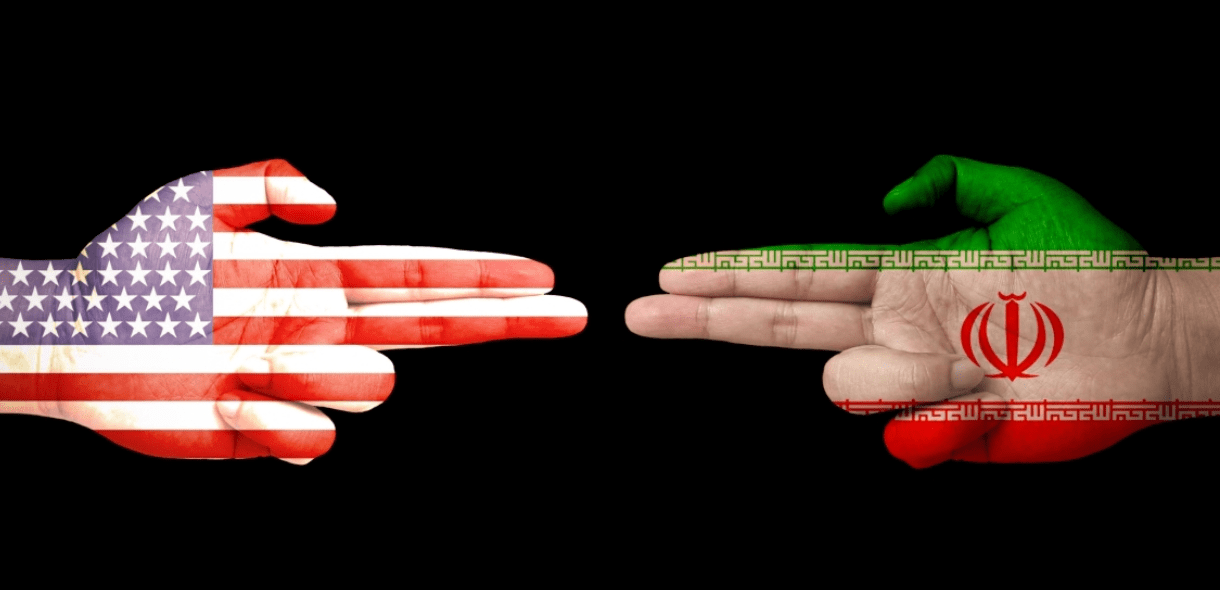
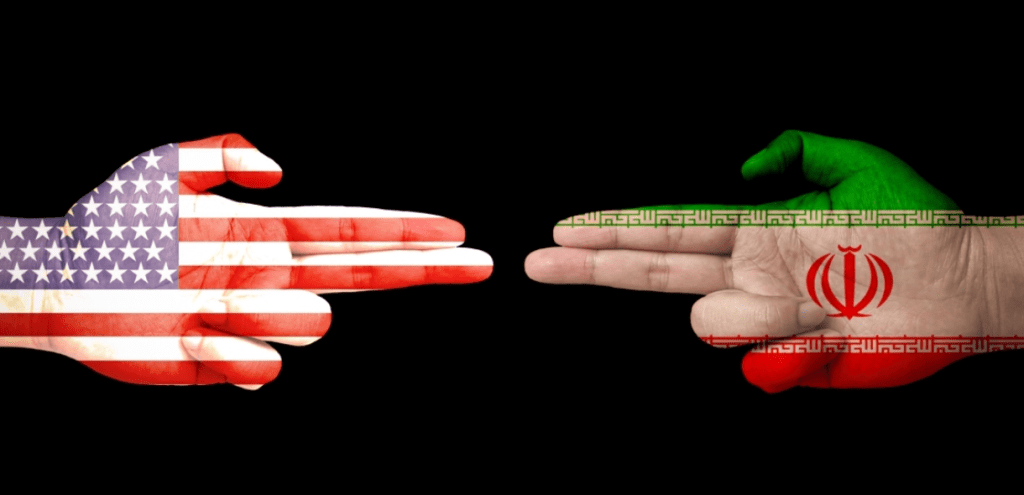
The US Iran peace deal is poised to become one of the most significant diplomatic developments in the Middle East in recent years. After more than 100 days of conflict that disrupted global energy markets and heightened regional tensions, Washington and Tehran have agreed to sign a memorandum of understanding designed to halt hostilities and pave the way for broader negotiations.
The agreement, which is expected to be formally signed in Geneva on Friday, has been brokered with the support of Pakistan and Qatar. While many details still require further negotiations, officials from both countries have described the breakthrough as a major step toward restoring stability in the region.
What Is the US Iran Peace Deal?
The proposed US Iran peace deal is centered on an initial memorandum of understanding rather than a final comprehensive treaty. Its primary objective is to bring an immediate and permanent end to military operations while creating a framework for future negotiations.
According to statements from Iranian officials, the agreement provides for the suspension of hostilities across all fronts, including Lebanon. The United States has also indicated that restrictions affecting maritime traffic and regional security will be eased as part of the arrangement.
The formal signing ceremony is scheduled to take place in Geneva, Switzerland, following several rounds of technical discussions.
Why the Conflict Began
The war erupted in late February after military strikes involving the United States and Israel targeted Iran during an already tense period of negotiations surrounding Tehran’s nuclear program.
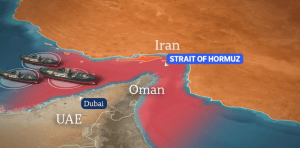
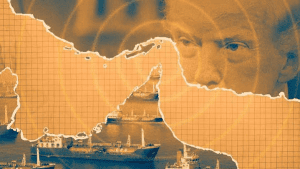
Over the following months, the conflict escalated beyond direct military engagement. One of its most significant consequences was severe disruption in the Strait of Hormuz, one of the world’s most strategically important shipping routes.
The resulting uncertainty affected international oil supplies and contributed to volatility across global energy markets.
The Strategic Importance of the Strait of Hormuz
The Strait of Hormuz serves as a critical maritime corridor connecting the Persian Gulf to international waters.
A significant share of the world’s oil exports passes through this narrow passage every day. Any disruption can quickly influence fuel prices, shipping costs, and broader economic stability.
As part of the announced agreement, officials say the waterway will reopen fully to international shipping, an outcome closely watched by governments and financial markets worldwide.
Key Provisions Included in the Agreement
Although final negotiations are still pending, reports suggest the draft memorandum contains several major commitments from both sides.
Among the reported provisions are:
- An immediate and permanent ceasefire across all military fronts
- The reopening of the Strait of Hormuz to international shipping
- The lifting of the US naval blockade affecting Iranian ports
- Gradual easing of restrictions on Iranian oil exports
- The release of frozen Iranian financial assets during the negotiation period
- A commitment to pursue a broader agreement addressing nuclear-related issues within 60 days
Some reports also indicate that discussions involving Iran’s missile program and regional allied groups have been removed from the current negotiating agenda to simplify the peace process.
Iran’s Position on the Deal
Iran’s Supreme National Security Council has described the memorandum as the beginning of an immediate suspension of military operations.
Officials have stated that implementation of future negotiations depends on verification that the United States fulfills its initial commitments, including ending hostilities and lifting maritime restrictions.
Iranian representatives have emphasized that confidence-building measures will play a central role before any long-term agreement is finalized.
The Trump Administration’s Response
President Donald Trump announced that the agreement would help bring peace and stability to the Middle East while authorizing the reopening of the Strait of Hormuz.
Administration officials have portrayed the diplomatic breakthrough as evidence that sustained regional engagement can reduce conflict without prolonged military escalation.
Vice President JD Vance also expressed optimism, suggesting the agreement could mark the beginning of a new chapter for relations across the region while reiterating the US position that Iran should not obtain nuclear weapons.
Pakistan and Qatar Played Critical Mediating Roles
Behind the scenes, Pakistan and Qatar emerged as the primary facilitators of indirect negotiations between Washington and Tehran.
Pakistani Prime Minister Shehbaz Sharif announced that both parties had agreed to permanently end military operations and credited regional diplomacy for making the breakthrough possible.
Qatar’s Ministry of Foreign Affairs also welcomed the memorandum, describing it as an important step toward sustainable peace and stronger economic cooperation.
Regional leaders from Saudi Arabia and Turkiye were also acknowledged for helping create conditions that supported the negotiations.
Why Neutral Mediators Matter
Peace talks involving longstanding rivals often require trusted intermediaries capable of maintaining communication when direct dialogue becomes difficult.
Pakistan and Qatar have increasingly positioned themselves as diplomatic bridges in regional conflicts, helping facilitate discussions while maintaining working relationships with multiple parties.
Their involvement demonstrates how middle powers can influence major international negotiations through sustained diplomacy.
What Happens After Friday’s Signing?
While the signing ceremony represents a major milestone, it is only the first phase of a longer diplomatic process.
Technical meetings are expected to continue throughout the week, followed by a 60 day negotiation period aimed at producing a comprehensive agreement.
During that time, both governments are expected to monitor compliance with the memorandum while addressing unresolved issues surrounding sanctions, security guarantees, and nuclear policy.
Successful implementation will likely depend on both sides honoring their commitments and maintaining open channels for continued dialogue.
Economic Impact Could Reach Beyond the Middle East
Global markets are watching developments closely because the agreement could have far-reaching economic consequences.
The reopening of the Strait of Hormuz may improve shipping reliability and stabilize oil supplies, potentially easing pressure on energy prices that surged during the conflict.
Businesses involved in international trade, transportation, and manufacturing could also benefit from reduced geopolitical uncertainty if the ceasefire holds.
However, analysts caution that markets will likely wait for concrete implementation before fully pricing in long-term stability.
Can the US Iran Peace Deal Deliver Lasting Stability?
The announcement of the US Iran peace deal represents a significant diplomatic breakthrough after months of conflict that affected not only the Middle East but also the global economy.
Although many questions remain about implementation and future negotiations, the planned Geneva signing offers both countries an opportunity to replace military confrontation with structured diplomacy.
If both sides fulfill their commitments and continue negotiations in good faith, the agreement could become an important foundation for greater regional stability and renewed international cooperation.











Comments are closed.