
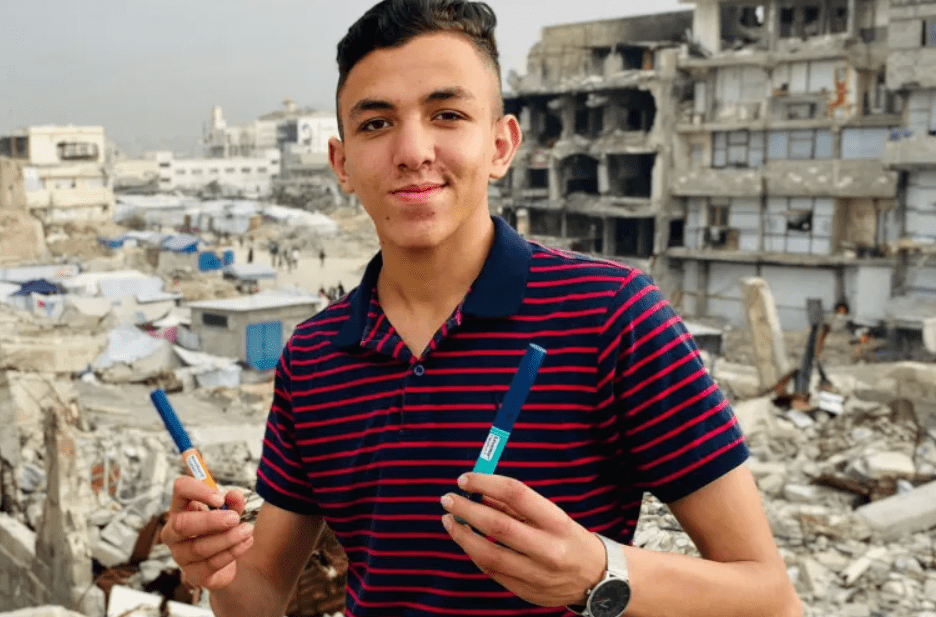
For thousands of people living with diabetes in Gaza, managing a chronic illness has become a daily fight for survival. As war, displacement, and severe shortages of medical supplies continue to devastate the territory, access to life-saving insulin and essential diabetes equipment has become increasingly uncertain.
The growing diabetes crisis in Gaza highlights a hidden humanitarian emergency affecting tens of thousands of patients who depend on consistent treatment to stay alive. With insulin supplies dwindling, testing equipment becoming scarce, and healthcare services struggling to function, many patients now face life-threatening risks every day.
Diabetes Patients in Gaza Face an Unprecedented Challenge
Before the conflict escalated in late 2023, diabetes patients in Gaza generally had access to insulin, glucose monitoring equipment, and regular medical care. While healthcare challenges existed, many patients were still able to manage their condition effectively.
Today, that reality has changed dramatically.
People with Type 1 diabetes require daily insulin injections and constant monitoring of blood sugar levels. Even short interruptions in treatment can lead to severe complications, including diabetic ketoacidosis, a potentially fatal condition.
For many patients, obtaining insulin has become a difficult and unpredictable task. Individuals often spend hours traveling between pharmacies, clinics, and medical centers searching for available supplies. Even when insulin can be found, prices have surged far beyond what many families can afford.
As a result, some patients have been forced to ration medication, stretch doses beyond recommended limits, or delay treatment altogether.
The Rising Cost of Staying Alive
One of the most significant consequences of ongoing shortages has been the sharp increase in the cost of diabetes medication.
Insulin pens that were once relatively affordable have become increasingly expensive due to limited availability and disrupted supply chains. For patients who require multiple insulin pens each month, the financial burden can be overwhelming.
The situation is particularly difficult for families already struggling with unemployment, displacement, and rising living costs. Many households must choose between purchasing food, securing shelter, or obtaining essential medicine.
These impossible choices place vulnerable patients at even greater risk of serious health complications.
Why Insulin Is Essential for Type 1 Diabetes
A Medication That Cannot Be Skipped
Unlike some chronic conditions that can tolerate occasional treatment interruptions, Type 1 diabetes requires constant management.
Insulin allows the body to regulate blood glucose levels and convert food into energy. Without sufficient insulin, blood sugar levels can rise rapidly, damaging organs and potentially leading to medical emergencies.
Patients must carefully balance insulin intake with food consumption. In a conflict zone where food shortages are common, maintaining that balance becomes extraordinarily difficult.
If a patient consumes food without adequate insulin, blood sugar may rise to dangerous levels. Conversely, eating too little while taking insulin can trigger severe hypoglycemia, causing dizziness, unconsciousness, seizures, or even death.
This delicate balancing act has become increasingly challenging amid Gaza’s ongoing humanitarian crisis.
The Growing Shortage of Diabetes Equipment
While insulin shortages receive significant attention, many healthcare professionals warn that the lack of testing equipment is equally alarming.
Blood Sugar Monitoring Becomes Daily Guesswork
Glucose meters and test strips are critical tools for diabetes management. They allow patients to monitor blood sugar levels and adjust treatment accordingly.
However, many patients now report severe shortages of test strips, making regular monitoring nearly impossible.
Without accurate readings, individuals are often forced to rely on physical symptoms alone to estimate their blood sugar levels. This approach significantly increases the risk of dangerous fluctuations that may go unnoticed until serious complications develop.
Healthcare experts describe this situation as a major public health concern because effective diabetes treatment depends on reliable monitoring as much as access to insulin itself.
Children Face Some of the Highest Risks
Among the most vulnerable are children living with Type 1 diabetes.
Medical specialists estimate that thousands of children in Gaza require continuous insulin therapy and close medical supervision. Yet many now face disruptions in treatment caused by medication shortages, healthcare system strain, and displacement.
Children are particularly susceptible to rapid changes in blood sugar levels. Without consistent access to medication and monitoring tools, their health can deteriorate quickly.
Parents often live with constant anxiety, uncertain whether they will be able to secure the next dose of insulin needed to keep their child safe.
The psychological toll on families can be just as severe as the physical risks posed by the disease itself.
Storage Problems Create Additional Dangers
Even when insulin is available, maintaining its effectiveness presents another challenge.
Insulin requires proper storage conditions, including stable temperatures. Frequent electricity outages and damaged infrastructure make refrigeration difficult in many areas of Gaza.
Medical professionals warn that improperly stored or expired insulin may lose effectiveness. Patients may continue taking the medication while unknowingly receiving inadequate treatment.
This creates a dangerous situation where blood sugar levels remain uncontrolled despite continued insulin use.
As healthcare resources become increasingly limited, monitoring medication quality has also become more difficult, raising further concerns about patient safety.
The Collapse of Routine Diabetes Care
The diabetes crisis in Gaza extends beyond medicine and equipment shortages.
Many healthcare facilities have experienced severe disruptions, limiting access to routine checkups, specialist consultations, and long-term disease management programs.
Regular medical follow-up plays a vital role in preventing complications such as kidney disease, nerve damage, vision loss, and cardiovascular problems. Without ongoing care, these risks increase substantially.
Patients who once received consistent support from healthcare providers are now often left to manage complex medical conditions under extraordinarily difficult circumstances.
The result is a growing burden of preventable health complications that could have long-term consequences for thousands of people.
A Humanitarian Emergency Beyond the Headlines
The global focus on conflict often centers on immediate casualties and physical destruction. Yet chronic illnesses such as diabetes reveal another dimension of humanitarian crises that receives far less attention.
For people living with diabetes in Gaza, survival depends not only on avoiding violence but also on securing access to medication, medical equipment, nutritious food, and functioning healthcare services.
Every missed insulin dose, unavailable test strip, or disrupted medical appointment increases the risk of serious illness.
As shortages continue, healthcare experts warn that the diabetes crisis in Gaza may have lasting consequences for an entire generation of patients struggling to manage a lifelong condition under extraordinary circumstances.
Conclusion: The Diabetes Crisis in Gaza Demands Urgent Attention
The diabetes crisis in Gaza is rapidly becoming one of the territory’s most pressing health emergencies. Insulin shortages, limited testing supplies, rising costs, and weakened healthcare infrastructure are placing thousands of patients at significant risk.
For individuals living with Type 1 diabetes, treatment is not optional. Access to insulin and monitoring equipment can mean the difference between stability and a life-threatening medical emergency. Addressing the diabetes crisis in Gaza will require sustained humanitarian support, improved access to essential medical supplies, and renewed attention to the needs of patients whose daily survival depends on uninterrupted care.

















Comments are closed.