
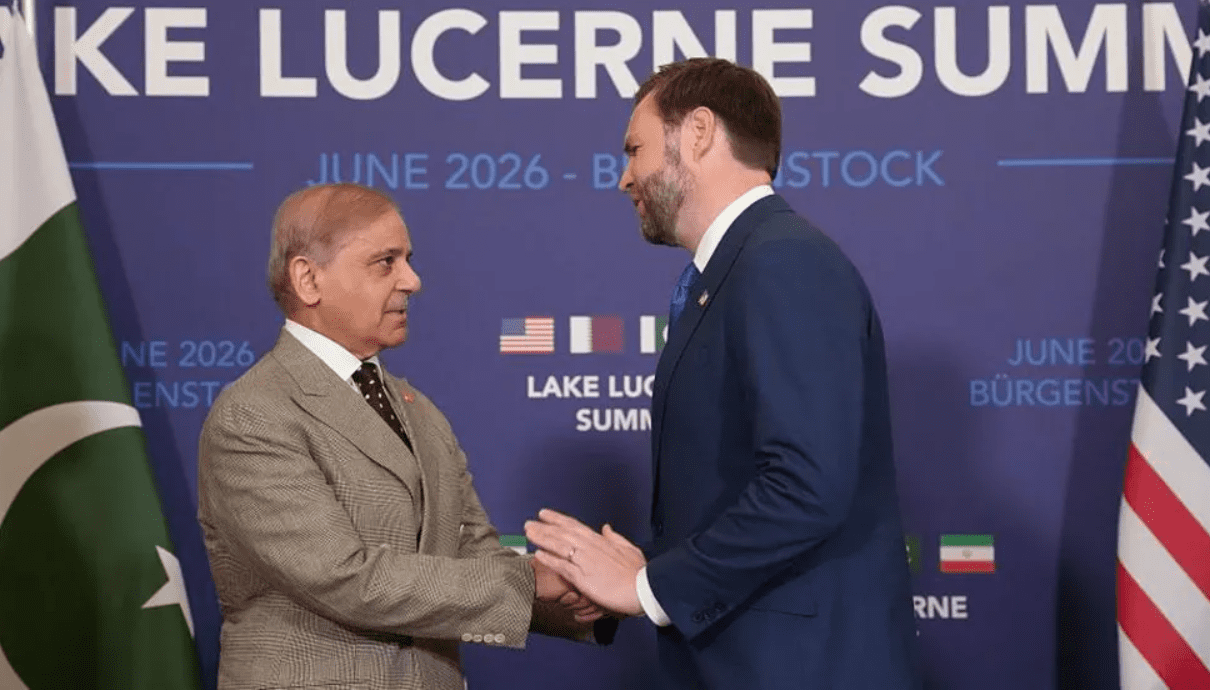
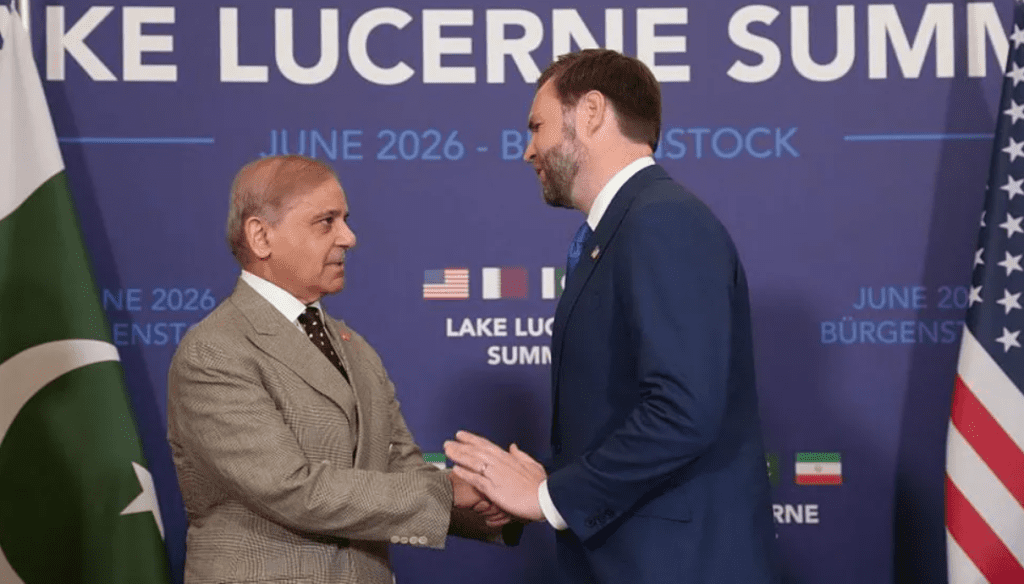
A new chapter in Middle East diplomacy is unfolding as US-Iran peace talks officially begin in Switzerland following the signing of an initial agreement aimed at ending weeks of conflict. While the breakthrough has raised hopes of long-term stability, fresh violence in Lebanon and growing tensions around the Strait of Hormuz are already testing the strength of the fragile deal.
The high-stakes negotiations bring together senior American and Iranian officials in what could become one of the most consequential diplomatic efforts in the region in years. With nuclear concerns, regional security, sanctions relief, and economic recovery all on the agenda, the outcome of these talks could shape the future of the Middle East and global energy markets.
US-Iran Peace Talks Enter a Critical Phase
The latest round of US-Iran peace talks began at the Swiss resort of Bürgenstock, where negotiators are attempting to transform an initial ceasefire agreement into a comprehensive and lasting settlement.
The preliminary deal, signed last week, committed both sides to pursuing a final agreement within 60 days. It also called for an immediate halt to hostilities across multiple fronts and outlined steps to restore maritime trade through the strategically vital Strait of Hormuz.
Despite the diplomatic progress, challenges emerged almost immediately.
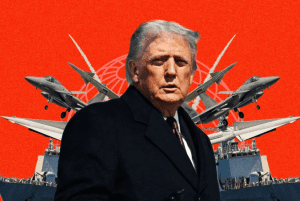
President Donald Trump warned that Iran must rein in its regional allies, particularly Hezbollah in Lebanon, or face further military action. His comments highlighted the delicate balance negotiators must maintain as they seek to prevent the conflict from escalating once again.
Meanwhile, Iranian officials stressed that any long-term agreement depends on all parties honoring their existing commitments, including the cessation of military operations.
Why the US-Iran Peace Talks Matter
The significance of these negotiations extends far beyond Washington and Tehran.
The conflict disrupted one of the world’s most important energy corridors and raised fears of a broader regional war involving multiple countries and armed groups.
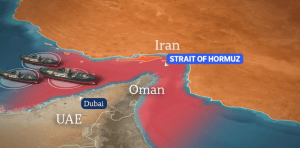
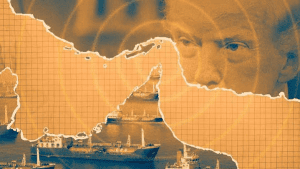
At the center of the discussions is the Strait of Hormuz, a narrow shipping route through which roughly one-fifth of the world’s oil and natural gas supplies pass. Any disruption to traffic in the strait has immediate consequences for energy prices, global trade, and economic stability.
The initial agreement included provisions to reopen maritime routes and restore normal shipping activity. While Iran announced the closure of the strait over the weekend, vessel tracking data suggested commercial traffic continued moving through the waterway.
The situation demonstrates how quickly developments in the Gulf can influence global markets.
Nuclear Program Remains the Biggest Challenge
Although the ceasefire agreement addressed several immediate concerns, Iran’s nuclear program remains one of the most sensitive issues in the negotiations.
American officials have repeatedly stated that preventing Iran from developing nuclear weapons remains a top priority. Iran, however, continues to insist that its nuclear activities are designed solely for peaceful purposes.
A Long-Running Source of Tension
The nuclear dispute has shaped US-Iran relations for decades.
Tensions intensified after the United States withdrew from a previous nuclear agreement during Trump’s first administration and reimposed economic sanctions on Tehran. Since then, diplomatic efforts have repeatedly stalled amid disagreements over verification measures, sanctions relief, and regional security concerns.
The current talks offer both sides an opportunity to revisit these issues, but reaching a final agreement will require significant compromises.
Diplomats and analysts widely view the nuclear file as the most difficult hurdle standing between a temporary ceasefire and a comprehensive peace settlement.
Key Figures Driving the Negotiations
The talks have drawn some of the most influential political figures from both countries.
US Vice-President JD Vance is leading the American delegation alongside special envoy Steve Witkoff and senior advisers. Ahead of the talks, Vance described the negotiations as an opportunity to “turn over a new leaf” and potentially transform relations between Washington and Tehran.
On the Iranian side, Foreign Minister Abbas Araghchi and parliamentary speaker Mohammad Bagher Ghalibaf are representing Tehran’s interests.
Pakistan has also emerged as an important diplomatic player throughout the process.
Prime Minister Shehbaz Sharif and military chief Field Marshal Asim Munir have participated in mediation efforts and helped facilitate previous rounds of discussions. Their involvement reflects Pakistan’s growing role as a regional intermediary during the conflict.
Lebanon Violence Threatens Progress
While negotiators meet in Switzerland, events on the ground continue to complicate the peace process.
Recent clashes between Israel and Hezbollah have raised concerns that the broader ceasefire could unravel before a final agreement is reached.
Although a separate ceasefire was announced in Lebanon, reports of continued air strikes and rocket attacks have fueled uncertainty about the durability of the arrangement.
Regional Stability Still at Risk
The conflict in Lebanon has become closely linked to wider tensions involving Iran, Israel, and the United States.
Thousands of people have reportedly been killed or injured since hostilities intensified earlier this year. As a result, many international observers view Lebanon as a key test of whether diplomatic progress between Washington and Tehran can translate into greater regional stability.
Any major escalation could place additional pressure on negotiators and complicate efforts to secure a broader peace agreement.
Economic Impact Could Be Significant
One of the most closely watched aspects of the negotiations is the economic component.
The preliminary agreement reportedly includes a major reconstruction package for Iran and plans to remove sanctions that have constrained the country’s economy for years.
If implemented, these measures could reshape trade flows, encourage foreign investment, and improve economic conditions inside Iran.
Global markets are also paying close attention.
Energy traders, shipping companies, and investors understand that stability in the Gulf region often influences fuel prices worldwide. Even small changes in the security environment around the Strait of Hormuz can have ripple effects across international markets.
As a result, successful negotiations could provide benefits far beyond the Middle East.
What Happens Next?
The road to a final agreement remains uncertain.
Negotiators have a 60-day window to address some of the most complex issues in international diplomacy, including nuclear oversight, sanctions relief, regional security arrangements, and enforcement mechanisms.
Success would represent a major diplomatic achievement for all parties involved. Failure, however, could increase the risk of renewed conflict and further instability across the region.
For now, both sides appear committed to continuing discussions despite ongoing tensions and political pressures.
Conclusion
The US-Iran peace talks represent a potentially historic effort to move beyond conflict and establish a framework for long-term stability. While the initial agreement has created momentum, unresolved disputes over Iran’s nuclear program, regional security, and ongoing violence in Lebanon continue to pose serious challenges.
As negotiators work toward a final settlement, the success of the US-Iran peace talks could influence not only the future of the Middle East but also global energy markets, international diplomacy, and economic stability for years to come.










Comments are closed.