
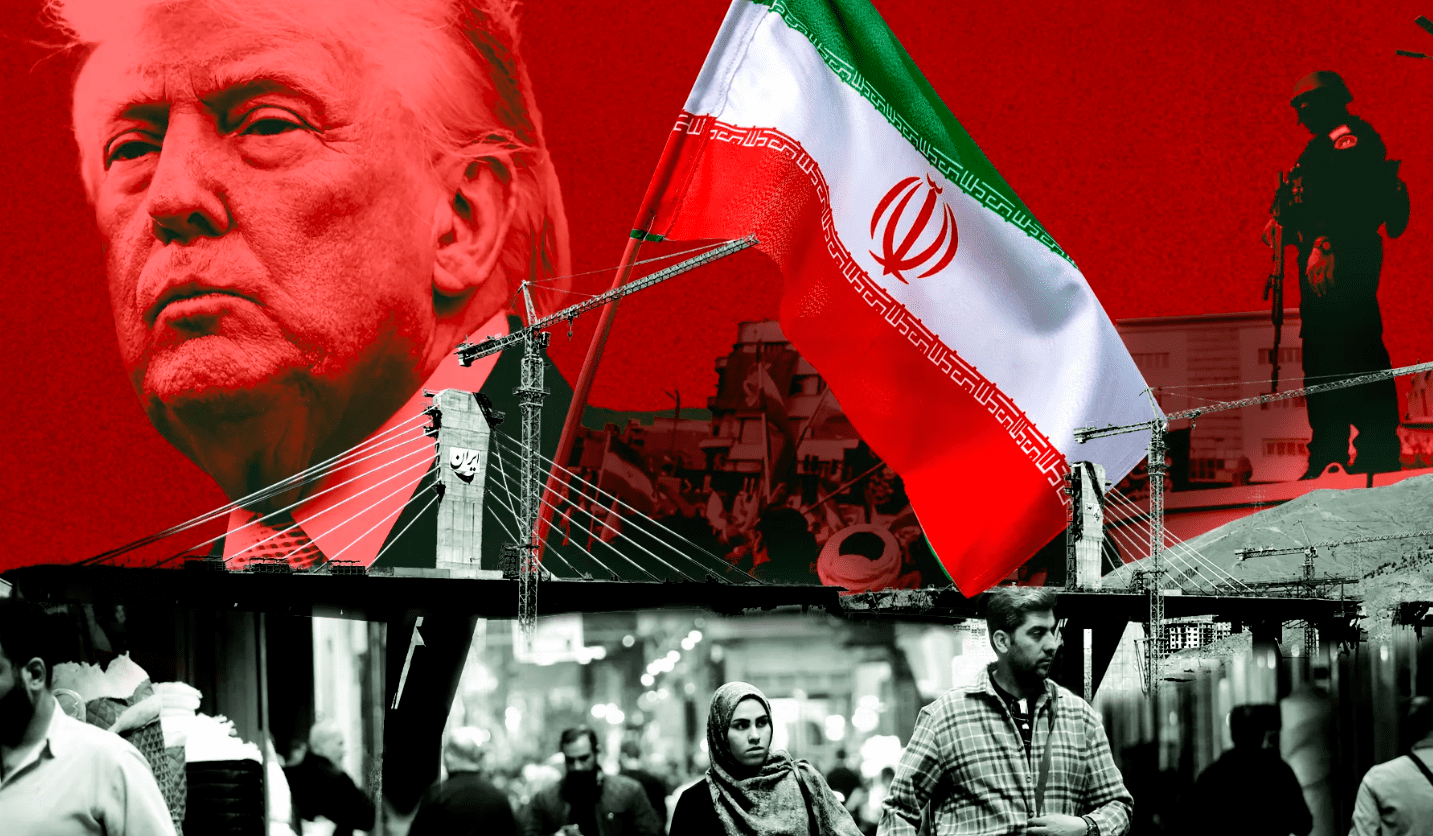
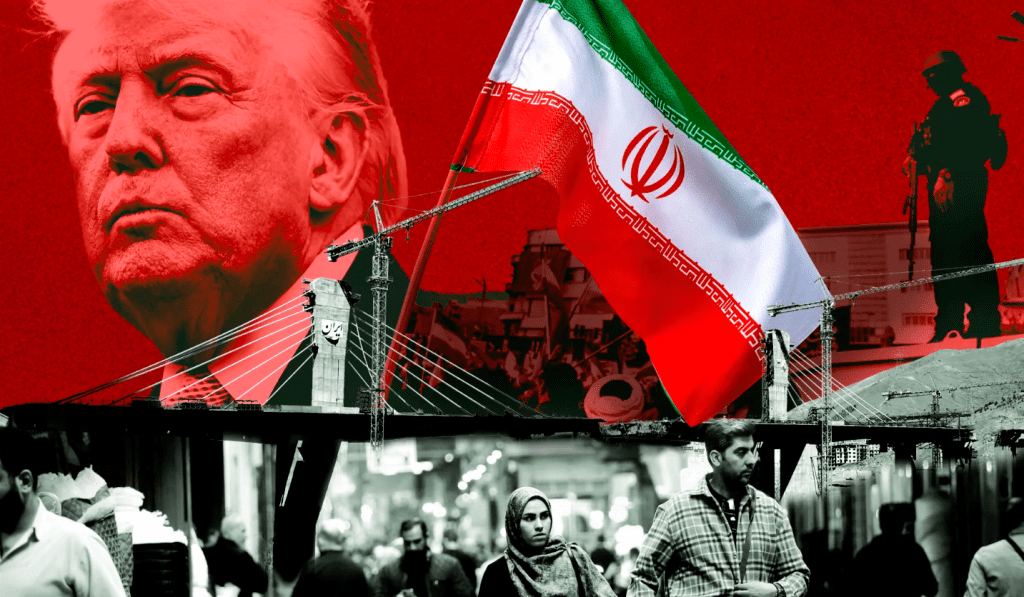
Tensions across the Middle East remain dangerously high, yet a dramatic shift in diplomacy may have temporarily pulled the region back from the edge of a wider conflict. United States President Donald Trump announced that a planned military strike on Iran has been placed on hold after Gulf leaders urged Washington to give renewed negotiations a chance.
The surprise development follows reports that Tehran submitted a revised peace proposal to the United States through Pakistani mediators. While both sides remain deeply divided on key issues, Trump’s decision to pause military action has sparked cautious optimism that diplomacy could still prevent another devastating escalation in the region.
At the same time, drone attacks near critical Gulf infrastructure and growing instability surrounding the Strait of Hormuz continue to raise fears that the fragile situation could unravel at any moment.
Trump Pauses Planned Iran Strike Amid New Negotiations
The announcement came after several days of escalating rhetoric between Washington and Tehran.
Earlier this week, Trump issued a sharp warning to Iran following reported drone attacks in the United Arab Emirates and Saudi Arabia. In a post shared on social media, the US president warned that “the clock is ticking” for Tehran and suggested military action remained a real possibility if negotiations failed.
However, only hours later, Trump revealed that leaders from Qatar, Saudi Arabia, and the United Arab Emirates had requested that the United States postpone the planned attack because “serious negotiations” were underway.
According to Trump, he instructed Defense Secretary Pete Hegseth and top military officials to halt preparations for the strike while diplomatic discussions continue.
Still, the warning from Washington remained unmistakably clear. Trump also stated that the US military should remain fully prepared to launch a “large scale assault” if negotiations fail to produce what he considers an acceptable agreement.
That dual message reflects the current state of the crisis. Diplomacy may still be active, but the threat of military escalation remains very real.
Iran’s New Peace Proposal Could Reshape Negotiations
At the center of the latest developments is Iran’s newly revised 14-point peace proposal.
According to reports from Iranian state-linked media, the proposal was delivered to the US through Pakistani mediation channels following earlier rounds of stalled negotiations. While full details of the document have not been publicly released, Iranian officials confirmed several key demands remain central to Tehran’s position.
Those demands reportedly include:
- The lifting of economic sanctions imposed on Iran
- Access to frozen Iranian financial assets abroad
- An end to military pressure and naval restrictions
- Security guarantees tied to future regional stability
Iranian officials also continue demanding compensation for damage caused during recent US and Israeli military operations.
For Tehran, sanctions relief remains one of the most critical issues. Years of economic pressure have severely impacted Iran’s economy, contributing to inflation, currency instability, and broader domestic challenges.
At the same time, Washington continues pushing for strict limitations on Iran’s nuclear activities and broader regional influence.
As a result, negotiations remain highly complicated despite renewed diplomatic efforts.
The Iran Nuclear Dispute Remains the Biggest Obstacle
The largest sticking point in current negotiations continues to revolve around Iran’s nuclear programme.
The United States wants Tehran to significantly reduce or completely halt uranium enrichment activities. Iran, however, insists that its nuclear programme serves peaceful civilian purposes and argues that enrichment rights should remain protected under international agreements.
One of the most contentious issues involves Iran’s current stockpile of enriched uranium.
Reports indicate Iran possesses approximately 440 kilograms of uranium enriched to 60 percent purity. Although weapons-grade uranium typically requires enrichment levels near 90 percent, Western governments remain deeply concerned about how quickly Tehran could potentially move closer to that threshold.
Washington has reportedly demanded that Iran surrender its enriched uranium stockpile entirely. Tehran has resisted those demands and may only consider transferring materials to a neutral third party under limited conditions.
Abbas Araghchi recently acknowledged that negotiations had reached a “deadlock” over the uranium issue, describing it as one of the most difficult obstacles facing both sides.
The disagreement also revives tensions surrounding the collapse of the 2015 nuclear agreement, officially known as the Joint Comprehensive Plan of Action. Trump withdrew the United States from that deal during his first presidency in 2018, despite international monitoring reports indicating Iran had largely complied with its obligations at the time.
Now, both countries appear far apart once again on what a future nuclear agreement should look like.
Strait of Hormuz Crisis Raises Global Economic Concerns
Beyond nuclear tensions, another major issue threatens to complicate negotiations even further: the Strait of Hormuz.
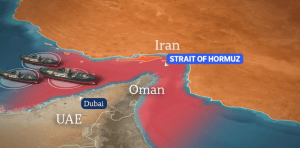
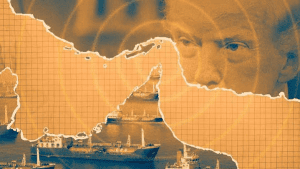
The narrow waterway remains one of the most strategically important shipping routes in the world. Roughly one-fifth of global oil and liquefied natural gas supplies typically pass through the strait during normal conditions.
Since March, Iran has imposed tighter controls on shipping traffic moving through the area. Some vessels have reportedly been required to coordinate transit directly with the Islamic Revolutionary Guard Corps.
Meanwhile, the United States responded by increasing naval pressure around Iranian ports and shipping activity.
This growing confrontation has alarmed global energy markets and regional governments alike.
Any major disruption in the Strait of Hormuz could trigger immediate spikes in oil prices while placing enormous strain on global supply chains. That possibility explains why Gulf nations are pushing aggressively for diplomacy and de-escalation.
For countries like Qatar, Saudi Arabia, and the UAE, regional stability remains directly tied to both economic security and broader geopolitical influence.
Drone Attacks Fuel Fear of Renewed Escalation
Although negotiations continue, military tensions across the Gulf remain highly unstable.
Saudi Arabia recently announced it intercepted multiple drones, while another drone attack reportedly targeted the Barakah Nuclear Energy Plant in the UAE. Even though the facility avoided catastrophic damage, the incident intensified fears surrounding the vulnerability of critical infrastructure in the region.
The attacks also highlight how fragile the current ceasefire environment truly remains.
While large-scale combat between the US and Iran has largely paused since April, fighting involving regional proxy groups and cross-border military activity continues creating constant uncertainty.
Iran’s broader “axis of resistance” network, including groups operating in Lebanon, Iraq, Syria, and Yemen, remains another major concern for Washington and its allies.
These regional alliances complicate negotiations because any future agreement may eventually need to address Iran’s influence beyond its nuclear programme alone.
Can Diplomacy Still Prevent a Wider Conflict?
Despite the serious challenges facing negotiators, Trump’s decision to halt the planned Iran strike has temporarily opened the door for diplomacy to continue.
Whether that opportunity leads to a lasting agreement remains far less certain.
The current negotiations involve enormous geopolitical stakes, including nuclear security, global energy markets, regional military alliances, and economic sanctions. Both Washington and Tehran continue holding firm positions on several core demands, making compromise difficult.
Still, Gulf leaders appear determined to avoid another devastating regional war.
For now, the world is watching closely as negotiations continue behind closed doors. One breakthrough could dramatically ease tensions across the Middle East. One collapse, however, could quickly push the region back toward military confrontation.
Conclusion
The decision by Donald Trump to pause a planned Iran strike marks a significant turning point in an increasingly volatile Middle East crisis. While diplomacy has gained temporary momentum through Iran’s revised peace proposal, deep disagreements over nuclear enrichment, sanctions, and regional security continue threatening the negotiations.
At the same time, drone attacks, naval tensions, and instability surrounding the Strait of Hormuz demonstrate how fragile the situation remains.
As peace talks continue, the balance between diplomacy and military escalation may ultimately determine the future stability of the entire region.










Comments are closed.