
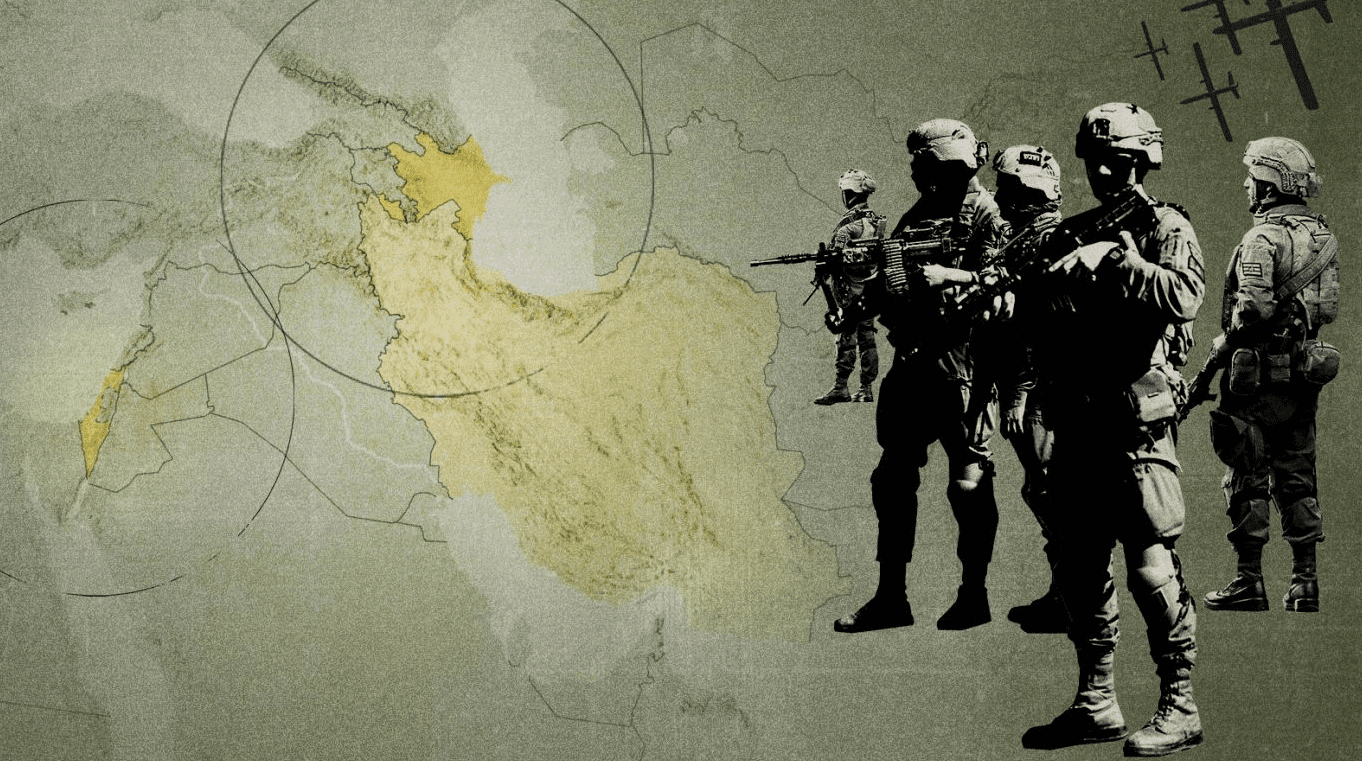
A fragile ceasefire appears to be hanging by a thread as Iran and the United States exchange fresh military strikes across the Middle East, raising fears of a broader regional conflict. In a dramatic escalation, Iran claims it has launched attacks against US military assets in Bahrain, Jordan, and Kuwait following new American strikes on targets in southern Iran.
The latest developments mark one of the most dangerous moments in the ongoing Iran-US crisis, with military operations expanding beyond previous flashpoints and drawing multiple countries deeper into the confrontation. As both sides exchange accusations and retaliatory actions, international observers are increasingly concerned that the conflict could destabilize an already volatile region.
With military installations, strategic waterways, and critical infrastructure now at the center of the crisis, the risk of further escalation remains high.
Iran Strikes US Bases Following American Military Action
The latest round of hostilities began after the United States military announced what it described as “self-defence strikes” against targets in southern Iran.
According to the US Central Command, the operation was launched in response to the reported downing of an American Apache helicopter over the Strait of Hormuz. Washington argues that the strikes were necessary to protect US forces and maintain regional security.
Iran, however, strongly condemned the attacks, describing them as violations of its sovereignty and territorial integrity.
Shortly afterward, Iran’s Islamic Revolutionary Guard Corps (IRGC) announced retaliatory operations targeting American military facilities across the Gulf region.
The IRGC claimed responsibility for attacks on the US Fifth Fleet headquarters in Bahrain, military facilities in Jordan, and additional targets linked to American operations in Kuwait.
Although independent verification of all reported strikes remains limited, the announcements signal a significant expansion of the conflict’s geographic scope.
Why the Strait of Hormuz Remains Critical
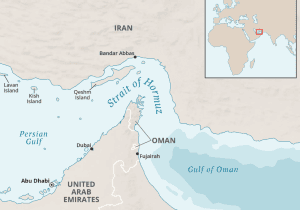
One of the most strategically important elements of the crisis is the Strait of Hormuz.
A Vital Global Shipping Route
The narrow waterway connects the Persian Gulf to international shipping lanes and serves as one of the world’s most important energy transit corridors.
A substantial percentage of global oil exports pass through the strait each day, making any military activity in the area a concern for international markets.
Whenever tensions rise around the Strait of Hormuz, investors and governments closely monitor developments because disruptions could impact global energy supplies and shipping operations.
The reported helicopter incident and subsequent military exchanges have once again placed the region under intense international scrutiny.
Iran Signals Further Retaliation
Iranian officials have indicated that the latest attacks may not be the final response if US military operations continue.
Statements from the IRGC suggested that multiple military targets were struck during the retaliation campaign, including facilities reportedly linked to advanced aircraft operations and command centers supporting American forces.
Iranian officials have framed the attacks as defensive measures intended to deter further US action.
Tehran’s Warning to Washington
Iran’s messaging has followed a consistent pattern throughout the conflict.
Officials continue to emphasize two primary points:
- Condemnation of American military actions
- A warning that future strikes will trigger additional retaliation
This approach aims to demonstrate military capability while signaling that Tehran is prepared to respond forcefully if tensions continue to escalate.
However, such warnings also increase concerns that both sides could become trapped in a cycle of retaliation that becomes increasingly difficult to contain.
Regional Security Concerns Intensify
The latest developments have affected more than just Iran and the United States.
Several neighboring countries now find themselves directly impacted by the expanding conflict.
Bahrain, Jordan, and Kuwait Under Pressure
Bahrain hosts the headquarters of the US Navy’s Fifth Fleet, making it a strategically important location for American operations in the region.
Jordan plays a key role in regional security and frequently cooperates with Western allies on defense matters.
Meanwhile, Kuwait hosts important military infrastructure that supports US operations across the Middle East.
As attacks and counterattacks spread across these countries, regional governments face growing pressure to maintain stability while protecting critical infrastructure and civilian populations.
The expansion of military activity beyond Iran’s borders raises the possibility that additional countries could become involved if the situation worsens.
Diplomatic Efforts Continue Despite Military Escalation
Despite the renewed violence, some analysts believe diplomacy remains possible.
Several political and military observers argue that both Washington and Tehran continue to leave room for negotiations, even while engaging in military confrontation.
Recent reports indicate that diplomatic contacts between regional powers remain active, with discussions involving key Middle Eastern governments seeking to prevent a wider conflict.
Can Negotiations Still Succeed?
Experts note that military exchanges do not automatically end diplomatic efforts.
Historically, periods of heightened tension between the United States and Iran have often occurred alongside behind-the-scenes negotiations.
However, each new strike increases the political challenges facing negotiators.
Public pressure, military losses, and escalating rhetoric can make compromise more difficult, even when both sides remain interested in avoiding a full-scale war.
The coming days may prove critical in determining whether diplomacy can regain momentum.
Growing Risks for the Wider Region
Beyond the immediate military confrontation, the conflict carries broader implications for regional security and the global economy.
Energy markets remain sensitive to developments involving the Strait of Hormuz. Shipping companies are closely monitoring security conditions, while governments are assessing potential impacts on trade routes and energy supplies.
At the same time, military planners throughout the region are preparing for the possibility of additional attacks against strategic facilities.
The longer the confrontation continues, the greater the risk that miscalculations or unintended incidents could trigger a much larger conflict.
Conclusion
The latest Iran strikes on US bases have pushed regional tensions to dangerous new levels, threatening to unravel fragile ceasefire efforts and deepen instability across the Middle East. Following American strikes on southern Iran, Tehran responded by targeting US-linked military facilities in Bahrain, Jordan, and Kuwait, signaling its willingness to retaliate against future attacks.
While diplomatic channels remain open, the situation remains highly volatile. As both sides continue to exchange military actions and warnings, the world is watching closely to see whether negotiations can prevail or whether the region will face an even broader and more unpredictable conflict.








Comments are closed.