
Deadly Wave of Strikes Across Ukraine and Russia
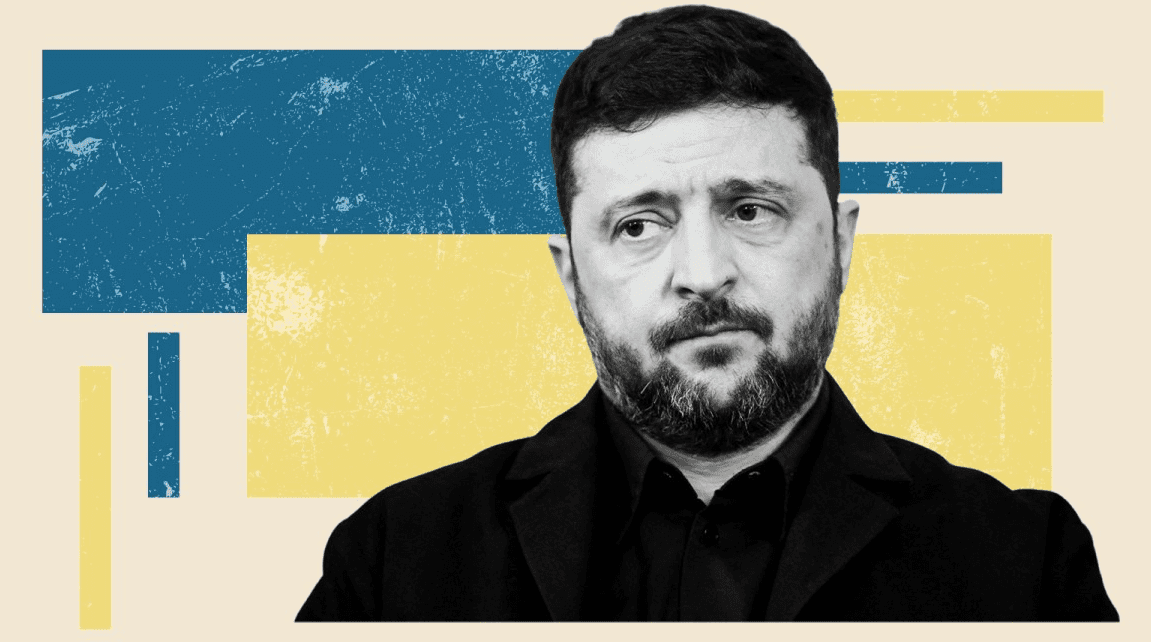
A new wave of Russian drone and missile strikes across Ukraine has killed at least 10 people and injured dozens more, according to Ukrainian officials. At the same time, Kyiv has claimed responsibility for a series of attacks on Russian oil infrastructure and naval assets, escalating a parallel campaign targeting Moscow’s energy exports.
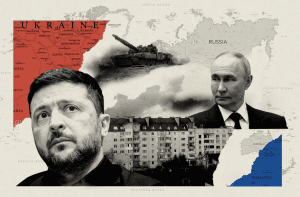
The exchanges mark another intensification of the war, now in its fourth year, as both sides increasingly target strategic infrastructure far beyond the frontline.
Background: A Prolonged War Expanding in Scope
Since Russia’s full-scale invasion of Ukraine in 2022, the conflict has evolved from conventional battlefield fighting into a broader war of attrition involving long-range drones, missiles, and sabotage operations.
Ukraine has steadily developed its capability to strike targets deep inside Russian territory, particularly focusing on oil refineries, export terminals, and military logistics hubs. Kyiv argues these facilities directly support Russia’s war effort and sanctions evasion.
Russia, meanwhile, continues to conduct large-scale aerial assaults on Ukrainian cities, infrastructure, and energy systems, often using mass drone swarms and missile barrages.
Recent Developments: Civilian Casualties and Infrastructure Damage
Ukrainian authorities reported that Russian strikes over a 24-hour period hit multiple regions, including Odesa, Donetsk, Kherson, Zaporizhzhia, and Sumy. Officials said at least 10 people were killed and 76 injured, with residential areas and civilian infrastructure among the damaged sites.
Ukraine’s air force said it intercepted the majority of incoming drones, reporting that 269 were launched, with most either destroyed or electronically jammed. However, several direct hits still caused fatalities and destruction across 15 locations.
Images from affected areas showed damaged homes and debris-strewn streets, underscoring the continued human cost of the conflict.
Ukraine’s Counterstrikes: Energy Infrastructure as a Strategic Target
President Volodymyr Zelensky said Ukrainian forces had carried out strikes on multiple Russian maritime and energy assets, including oil tankers and naval vessels linked to Russia’s so-called “shadow fleet”—a network of ships used to bypass Western sanctions on oil exports.
According to Ukrainian statements, attacks targeted vessels at key ports including Novorossiysk on the Black Sea and Primorsk on the Baltic Sea. Zelensky also claimed that a warship capable of carrying cruise missiles was damaged in one of the operations.
Ukraine has increasingly focused on Russia’s energy infrastructure, arguing that oil and fuel exports are critical sources of revenue sustaining Moscow’s military campaign. Kyiv has previously stated that such strikes have caused significant financial losses for Russia.
Russia’s Response and Strategic Messaging
Russian authorities acknowledged the drone attacks but have generally downplayed their operational impact. However, the scale and geographic reach of Ukraine’s strikes have prompted heightened security measures inside Russia, including restrictions around key infrastructure sites.
The Kremlin has also linked the intensification of Ukrainian drone activity to broader security concerns, citing what it describes as a growing “terrorist threat” from cross-border attacks. In response, Russia has adjusted public events and increased air defense readiness in several regions.
At the same time, Moscow continues to escalate aerial operations inside Ukraine, maintaining pressure on civilian areas and critical infrastructure.
Analysis: A War Increasingly Defined by Long-Range Strikes
The latest developments reflect a clear shift in the nature of the conflict. While frontlines in eastern and southern Ukraine remain active, both sides are increasingly prioritizing long-range strike capabilities over territorial advances.
For Ukraine, targeting Russian energy infrastructure represents both a military and economic strategy aimed at weakening Russia’s capacity to sustain the war effort. However, these operations also risk escalation, particularly as they extend deeper into internationally sensitive areas.
For Russia, continued large-scale aerial attacks serve both operational and psychological objectives, maintaining pressure on Ukrainian society and infrastructure while testing air defense systems.
Global and Regional Implications
The intensification of strikes on energy infrastructure carries broader geopolitical consequences, particularly for global energy markets. Russia remains a major oil exporter, and disruptions to its shipping and refining capacity can influence global supply chains and pricing stability.
The conflict also continues to test the effectiveness of Western sanctions, which aim to limit Russia’s revenue while avoiding broader economic shocks.
Diplomatically, there is little indication of near-term negotiations, with both sides maintaining maximalist positions and framing military action as necessary for national security objectives.
Conclusion: Entrenched Conflict With No Immediate Off-Ramp
As the war continues, both Ukraine and Russia appear to be expanding the geographic and strategic scope of their operations. The increasing reliance on drones and long-range strikes suggests a conflict that is becoming more decentralized, technologically driven, and economically focused.
Without a diplomatic breakthrough, the pattern of reciprocal attacks is likely to continue, with infrastructure, energy assets, and civilian areas remaining central targets in a protracted and increasingly complex war.

















Comments are closed.