
Introduction
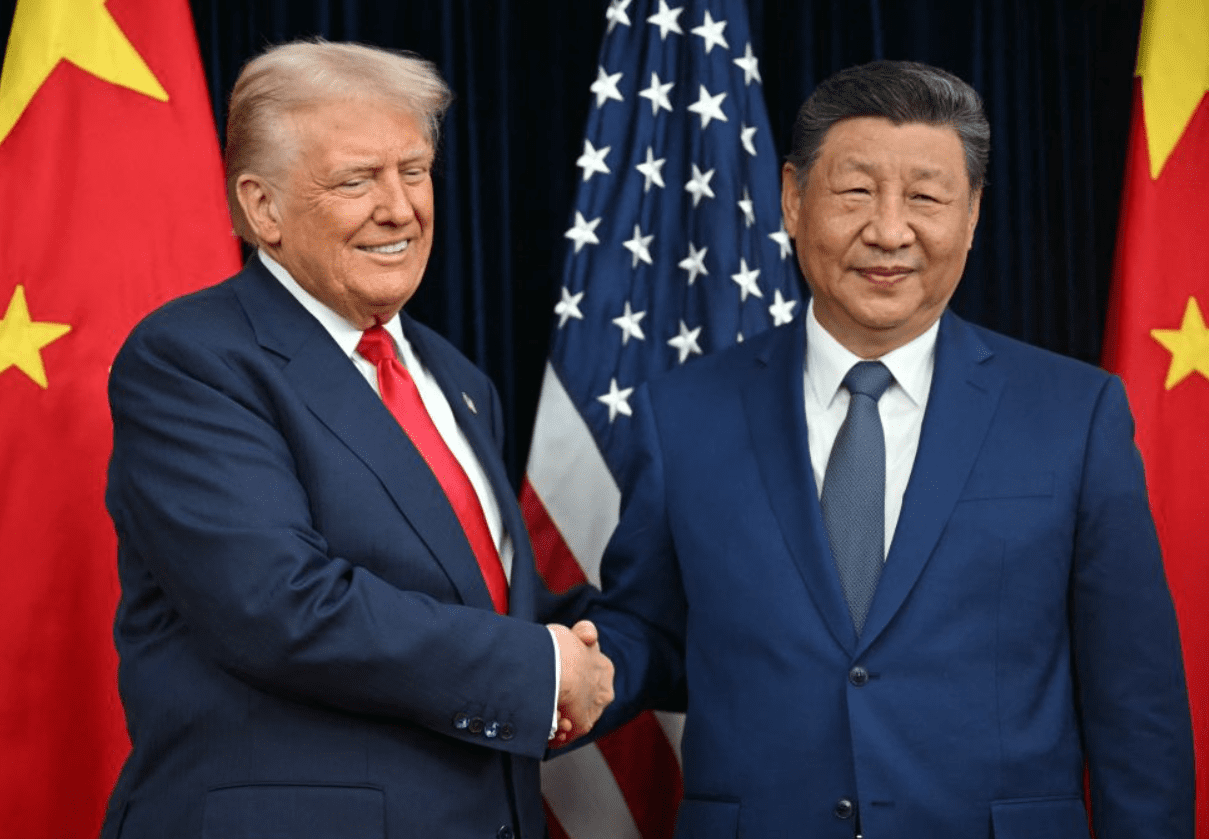
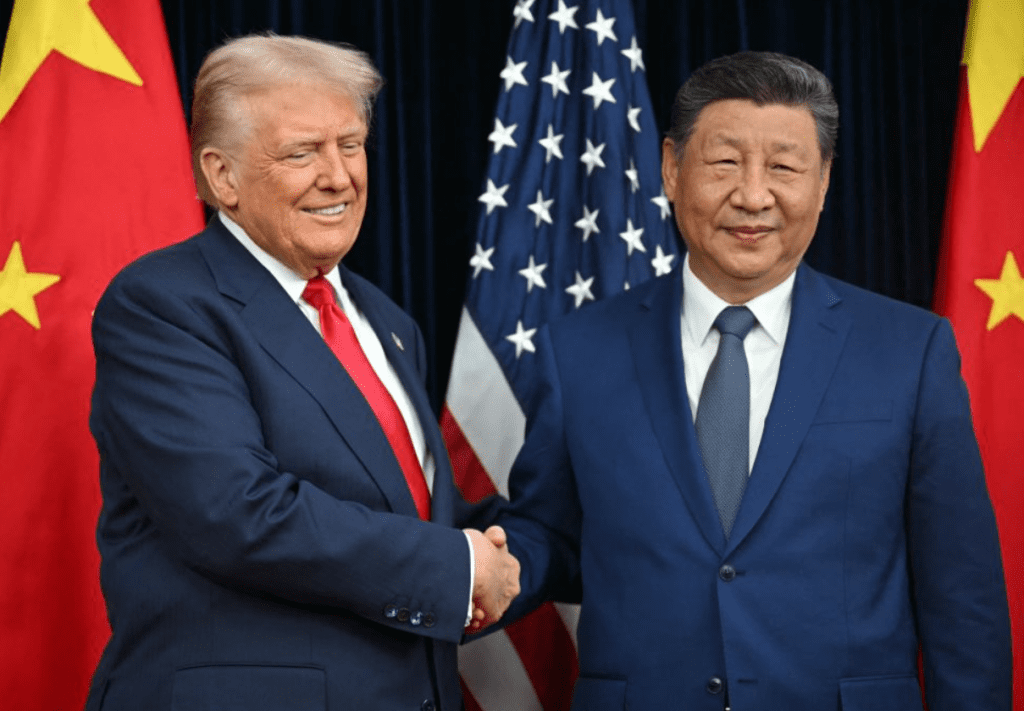
As global tensions continue to reshape economic alliances, all eyes are now on the anticipated meeting between Donald Trump and Xi Jinping. Scheduled for mid-May, this high-stakes summit is expected to play a defining role in the future of US China trade relations.
Despite geopolitical disruptions, including the ongoing Iran conflict, both sides appear committed to maintaining stability rather than escalating tensions. This strategic shift could influence global markets, supply chains, and diplomatic relations for years to come.
Why the Trump Xi Meeting Matters Now
The upcoming summit comes at a critical moment. The United States and China remain the world’s two largest economies, deeply interconnected despite years of tariffs and trade disputes.
According to US Trade Representative Jamieson Greer, the focus is clear. The US is not seeking confrontation. Instead, it aims to preserve a stable and functional economic relationship.
This approach signals a notable pivot. While past rhetoric often leaned toward rivalry, current messaging emphasizes cooperation and controlled competition. As a result, the Trump Xi meeting could set the tone for the next phase of global trade diplomacy.
Focus Key Phrase: US China Trade Stability Takes Priority
A Shift Toward Stability Over Conflict
One of the most important themes shaping the summit is the shared desire for stability. The US has maintained significant tariffs on Chinese goods. At the same time, it continues to rely on China for critical resources.
Rare earth minerals are a prime example. These materials are essential for modern technologies, including electronics, renewable energy systems, and defense equipment. Ensuring consistent access has become a top priority for Washington.
Greer emphasized that maintaining this balance is crucial. Rather than pushing for aggressive changes, the US appears focused on protecting existing supply chains while gradually diversifying sources.
Rare Earth Minerals at the Center of Negotiations
Behind the scenes, negotiations have already been underway. Talks involving US officials and Chinese representatives have focused heavily on rare earth supply chains.
Interestingly, both countries are working to resolve these issues before the leaders meet. This suggests a pragmatic approach. By addressing technical concerns at lower levels, the summit can focus on broader strategic goals.
However, the issue remains sensitive. The US is exploring alternative supply options through partnerships with other nations. At the same time, it is considering safeguards such as pricing mechanisms to prevent market manipulation.
Trade Mechanisms and Strategic Cooperation
A Proposed Board of Trade
One of the more innovative ideas under discussion is the creation of a bilateral board of trade. This mechanism would help both nations define what goods can be exchanged without compromising national security.
Such a framework could reduce uncertainty for businesses. It would also provide a structured way to manage disputes and avoid sudden policy shifts.
Moreover, this initiative reflects a growing recognition that economic decoupling is neither realistic nor beneficial in the short term.
Investment Talks Remain Cautious
While trade discussions are progressing, investment remains a more delicate issue. There have been early talks about forming a board of investment. However, both sides are proceeding carefully.
The United States continues to scrutinize foreign investments, especially in strategic industries. Concerns about national security and market fairness remain central to the debate.
For example, discussions around potential US expansion by Chinese companies have sparked political resistance. Lawmakers worry about the long-term impact on domestic industries and competition.
The Impact of Global Conflicts on Trade Diplomacy
Iran Conflict Delays but Does Not Derail Talks
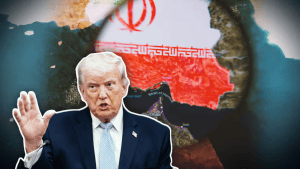
Originally planned for March, the Trump Xi meeting was postponed due to escalating tensions involving Iran. This highlights how interconnected global events can influence economic diplomacy.
Despite the delay, both countries have continued their discussions at ministerial and staff levels. This continuity demonstrates a shared commitment to keeping communication channels open.
In fact, the ability to maintain dialogue during crises may strengthen the overall relationship. It shows that both sides recognize the importance of stability in uncertain times.
Balancing Geopolitics and Economic Interests
The broader geopolitical landscape remains complex. From energy markets to regional conflicts, multiple factors are shaping decision-making in Washington and Beijing.
Nevertheless, economic interests continue to act as a stabilizing force. Both nations benefit from predictable trade flows and market access.
Therefore, the upcoming summit is not just about resolving disputes. It is about reinforcing a framework that allows competition without chaos.
What This Means for Global Markets
Reduced Risk of Trade Escalation
For investors and businesses, the emphasis on stability is encouraging. It reduces the likelihood of sudden tariff increases or supply chain disruptions.
This predictability can boost confidence across global markets. Companies can plan more effectively, while governments can focus on long-term economic strategies.
Continued Strategic Competition
However, stability does not mean the absence of competition. The US and China will continue to compete in areas such as technology, manufacturing, and global influence.
The difference lies in how that competition is managed. Structured dialogue and clear boundaries can prevent conflicts from spiraling out of control.
Conclusion
The upcoming meeting between Donald Trump and Xi Jinping represents more than a routine diplomatic engagement. It is a pivotal moment for redefining US China trade relations in an increasingly complex world.
By prioritizing stability, both nations are signaling a willingness to move beyond confrontation and toward pragmatic cooperation. While challenges remain, the focus on dialogue, structured trade mechanisms, and supply chain security offers a path forward.
Ultimately, the success of this summit could shape not only bilateral relations but also the broader global economic landscape.














Comments are closed.