
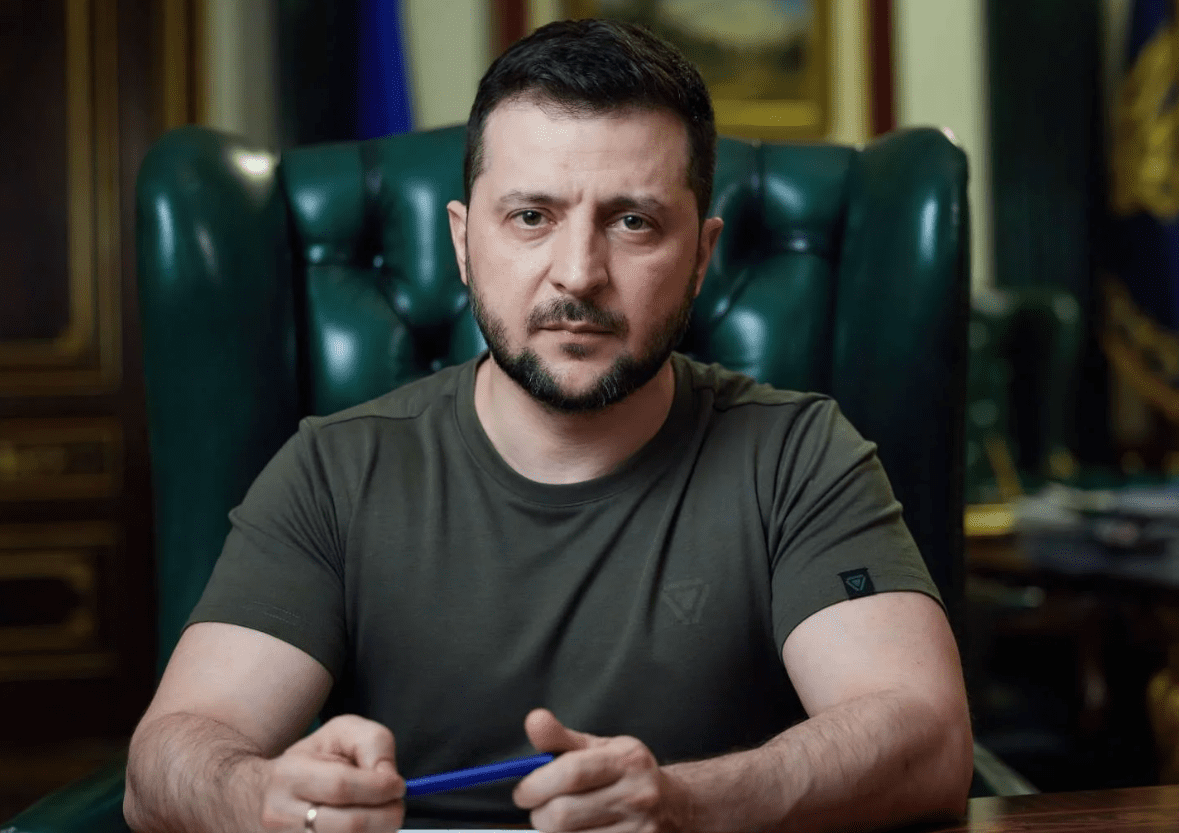
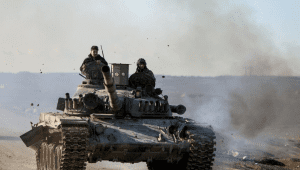
The world is facing unprecedented tension as Ukraine’s President Volodymyr Zelenskyy warns that World War Three has already begun. With escalating conflicts and global uncertainty, leaders and citizens alike are considering what steps might be necessary to protect their countries. From rising talks of conscription in Europe to the evolving role of women and veterans in modern warfare, the implications are far-reaching.
Understanding these developments is crucial not only for policymakers but also for citizens preparing for potential future conflicts. This article breaks down Zelenskyy’s warning, the current conscription landscape, and who could be called to serve if tensions continue to rise.
Zelenskyy’s Stark Warning About Global Conflict
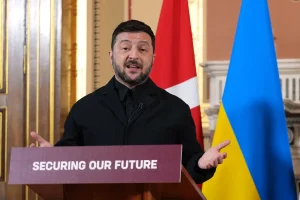
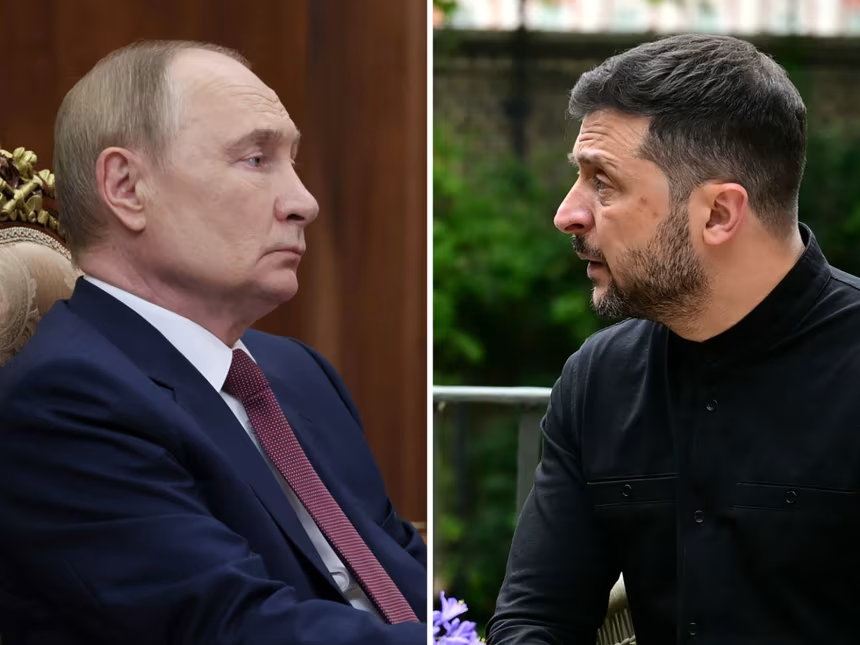
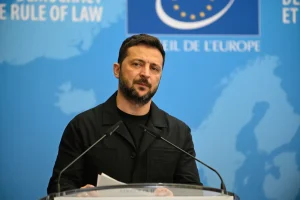
Zelenskyy has made it clear that the threat of a large-scale war is not hypothetical. He believes that the conflict instigated by Russia is already underway. The Ukrainian president stressed that victory is possible, but only through a combination of military resistance and economic pressure.
He explained that the conflict is not just territorial but ideological. “Russia wants to impose a different way of life on the world and change how people live,” Zelenskyy stated. His comments underline the urgency for nations to assess their defense strategies and preparedness.
With European leaders emphasizing the need for readiness, the global conversation around military mobilization has intensified. While some nations are preparing contingencies, others are revisiting historical measures like conscription.
The Return of Conscription Conversations
While the UK currently has no plans for mandatory military service, many European countries maintain conscription policies. Nations including Latvia, Finland, Austria, Cyprus, Denmark, Estonia, Greece, Lithuania, Moldova, Norway, Sweden, Switzerland, and Ukraine require certain citizens to serve in their armed forces.
In the United States, military service remains voluntary. However, men aged 18 to 25 must register with the Selective Service System. This system ensures that if authorized by the government, personnel can be called up quickly, while also providing alternatives for conscientious objectors.
The discussion around conscription is not just theoretical. Rising geopolitical tensions and the possibility of prolonged conflicts make the topic increasingly relevant for governments and citizens alike.
Who Could Be Conscripted in a Major Conflict?
If a large-scale war were to expand, certain groups would likely be prioritized for conscription based on historical precedent and modern military needs.
Young, Fit Men
Historically, men aged 18 to 25 are drafted first. They can be trained quickly and are physically capable of handling prolonged combat. This pattern has been seen in both UK and US military mobilizations.
Single People Without Children
Family status has always influenced draft decisions. Single individuals without children are typically called first to minimize disruption to family life. Phased approaches to conscription, like those during World War Two, ensured careful management of who was sent to the frontlines.
Women in Modern Military Roles
Women have increasingly taken on active roles in armed forces worldwide. While historically they were restricted to auxiliary roles such as nursing and munitions, today women serve in combat positions. Recent surveys suggest strong public support for women fighting on the frontlines, reflecting a significant shift in military policy and societal expectations.
Ex-Soldiers and Reservists
Veterans and former military personnel are likely candidates for recall. Their previous training allows them to integrate quickly into active duty, making them critical assets in times of heightened conflict.
Older Adults
While initial drafts prioritize younger adults, older citizens may be called if a war extends over years. Historical examples show people up to their fifties were conscripted, with those over fifty serving in civil defense roles.
Implications of Rising Global Tensions
The warnings from Zelenskyy and the renewed discussions around conscription highlight the fragility of international peace. Nations are now forced to evaluate their military readiness, citizens’ responsibilities, and the potential impact on daily life.
Economic pressures, alliances, and strategic planning are becoming more critical than ever. Countries maintaining conscription policies may activate them to reinforce their forces, while others may strengthen voluntary enlistment programs to prepare for long-term conflicts.
Transitioning from historical patterns to modern realities, the potential for global involvement in such a conflict emphasizes the need for awareness, preparedness, and active civic engagement.
Preparing for the Future
Understanding how conscription could operate and who may be affected helps citizens stay informed. Awareness of government policies, age brackets, and eligibility criteria allows individuals to anticipate their potential role.
At the same time, governments must balance national security with citizens’ rights, ensuring that any military mobilization is fair, efficient, and legally sound. Open discussions and transparent planning can reduce panic and misinformation while maintaining public trust.
Conclusion
Zelenskyy’s statement that World War Three has already begun serves as a stark reminder of the geopolitical tensions shaping our world. The renewed focus on conscription and national defense highlights the importance of preparation, awareness, and strategic planning. Whether through voluntary service or mandatory drafts, understanding the potential for mobilization can help citizens navigate uncertain times.
While the threat of global conflict is daunting, nations and individuals can take informed steps to stay prepared and resilient in the face of escalating tensions.












Comments are closed.