
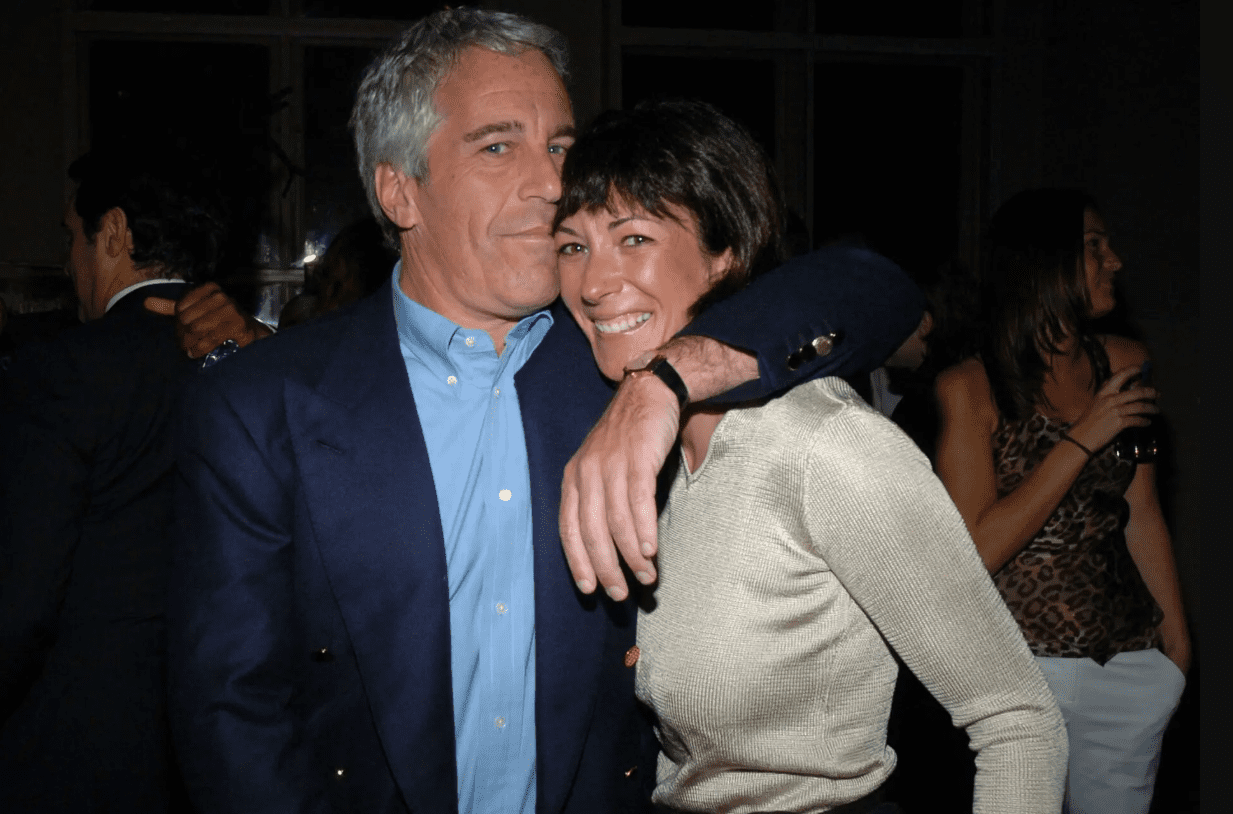
Ghislaine Maxwell is preparing a new legal challenge that could dramatically shift the direction of her case. The former socialite, convicted in connection with Jeffrey Epstein’s sex trafficking network, is now planning to ask a judge to release her from prison. A fresh court filing reveals she intends to act without an attorney, a decision that has already sparked intense public interest.
Maxwell Plans a Pro Se Bid for Freedom
In a letter submitted to Judge Paul Engelmayer, Maxwell’s attorney David Oscar Markus announced that she will soon file a habeas corpus petition on her own. Filing pro se means she will represent herself rather than rely on legal counsel.
This announcement came as the Justice Department moved to unseal grand jury transcripts and revise a protective order in her criminal case. Markus said Maxwell does not oppose the release of materials but argued that making grand jury records public could cause severe prejudice. According to him, the documents contain untested allegations that may damage Maxwell’s chances for a fair retrial if her petition succeeds.
Grounds for the Petition Remain Unknown
The filing did not specify what legal grounds Maxwell will cite in her request for release. Her previous appeals have failed, including a recent rejection by the Supreme Court. Markus did not comment further on the matter, leaving observers waiting to see how Maxwell intends to build her case.
A Controversial Prison Transfer
After her 2021 conviction for sex trafficking minors, Maxwell was housed in a low security facility in Tallahassee, Florida. However, she was recently transferred to a minimum security prison in Bryan, Texas.
This move followed a high profile two day interview with Deputy Attorney General Todd Blanche earlier this summer. The transfer triggered controversy, with critics questioning whether she received preferential treatment. Despite the uproar, her legal team has denied any claims that Maxwell is seeking a presidential pardon.
Growing Pressure for Transparency in the Epstein Files
Public interest in the Epstein and Maxwell cases continues to rise. The Trump administration recently faced criticism for delaying access to records tied to both investigations. After months of pushback, President Trump signed a bill requiring their release within 30 days.
In response, the Justice Department has asked judges to unseal grand jury transcripts and revise protective orders. This change would allow the public to see travel records, financial documents, search warrants and notes from victim interviews. Lawyers for Epstein’s estate have stated that they do not oppose the release as long as personal and victim information is properly redacted.
Conclusion
Ghislaine Maxwell’s decision to represent herself marks a surprising turn in her ongoing legal battle. As she prepares her habeas corpus petition, the public, the courts and the victims await the next chapter in a case that continues to draw global attention. With new filings, possible record releases and heightened scrutiny, the legal landscape surrounding Maxwell and the Epstein network remains as complex and controversial as ever.























Comments are closed.