
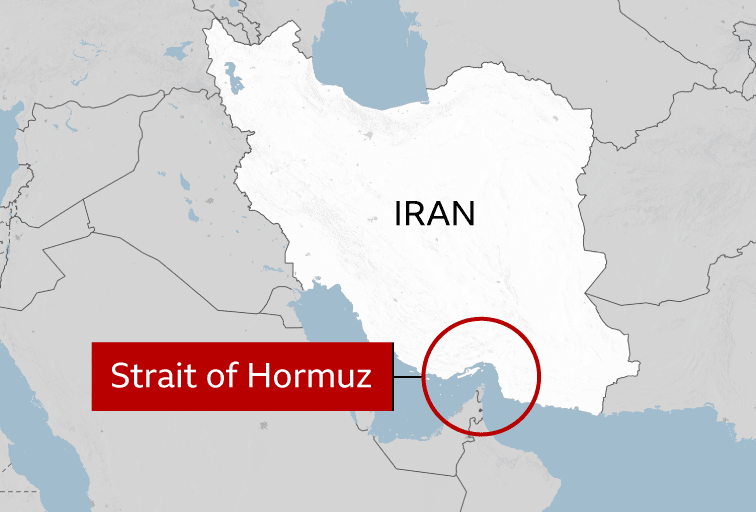
The escalation of hostilities involving Iran and the reported disruption of shipping through the Strait of Hormuz has triggered widespread economic and energy pressures across Asia, underscoring the region’s heavy dependence on Gulf oil and gas supplies. Governments from South and Southeast Asia to East Asia are introducing conservation measures as fuel prices rise and supply chains tighten.
Background and Context
The Strait of Hormuz, a narrow maritime corridor linking the Persian Gulf with global shipping routes, is a critical artery for global energy trade. Approximately one-fifth of the world’s oil passes through the waterway, with the majority of exports from Gulf producers destined for Asian markets.
Following the outbreak of conflict involving Iran and US-Israeli military activity in late February, shipping through the strait has reportedly been significantly reduced, contributing to volatility in global energy markets. While the situation remains fluid, even partial disruptions have had immediate effects on oil and liquefied petroleum gas (LPG) prices.
Asia’s dependence on Gulf energy imports—estimated at nearly 90 percent of shipments transiting the strait—has made the region particularly vulnerable to supply shocks. Governments across the continent have responded with policy adjustments aimed at reducing consumption and stabilizing domestic supply.
Key Developments Across Asia
In several countries, authorities have implemented emergency or precautionary measures to manage energy shortages.
In the Philippines, the government has declared a national energy emergency, citing risks to fuel availability and economic stability. Transport workers, particularly jeepney drivers, have reported sharp declines in income due to rising fuel costs. Authorities in Manila have introduced temporary subsidies and free-ride programs, though many workers say assistance remains insufficient to offset losses.
Thailand has introduced nationwide conservation measures, including remote work policies for government agencies and air-conditioning temperature limits in public buildings. Officials have also encouraged reduced fuel consumption through carpooling and public transport use. The government has reported tentative progress in securing shipping arrangements for fuel deliveries through diplomatic channels.
Sri Lanka, still recovering from a recent financial crisis, has introduced austerity measures including mid-week public holidays to reduce energy demand. Despite stabilization efforts, fuel shortages have led to long queues at petrol stations and disruptions for workers dependent on daily transport.
Myanmar, already facing internal conflict and economic instability, has imposed alternate-day vehicle restrictions to manage fuel consumption. Residents report that the measures are affecting social mobility and raising concerns about informal fuel markets.
India has been among the most significantly affected due to its reliance on imported LPG, much of which transits the Strait of Hormuz. Industrial sectors, including ceramics and manufacturing in western states, have faced temporary shutdowns due to gas shortages. In major cities such as Mumbai, parts of the hospitality sector have reduced operations amid supply constraints and rising costs.
Vietnam has responded by temporarily reducing fuel taxes to ease price pressures. While this has moderated domestic fuel costs, businesses report continued increases in operating and shipping expenses, affecting both manufacturing output and retail activity.
In China and South Korea, governments have largely sought to manage the impact through price controls and conservation messaging. South Korean authorities have also addressed public concern over potential shortages of petrochemical-derived goods, including plastics, while urging households to adopt energy-saving practices.
Economic and Regional Implications
The disruption highlights the strategic vulnerability of Asian economies to geopolitical instability in the Middle East, particularly in energy supply chains tied to the Strait of Hormuz. Rising oil and gas prices have contributed to inflationary pressure, with knock-on effects on transport, manufacturing, and household consumption.
For many governments, the immediate challenge is balancing economic stability with energy security. Short-term responses have focused on subsidies, rationing, and conservation measures, while longer-term discussions are expected to center on diversification of energy imports and strategic reserves.
The crisis also underscores broader geopolitical risks associated with concentrated global energy corridors. Any sustained disruption in the Strait of Hormuz could further strain international markets and deepen competition for alternative supply routes and sources.
Conclusion
As the conflict involving Iran continues to affect maritime activity in the Gulf, Asian economies remain highly exposed to fluctuations in energy supply and pricing. While governments have taken steps to mitigate immediate impacts, the situation highlights structural vulnerabilities in regional energy dependence and the wider geopolitical sensitivity of global oil trade routes.
The duration and severity of the disruption will be critical in determining whether current measures are sufficient or whether longer-term economic adjustments will be required across the region.















Comments are closed.