
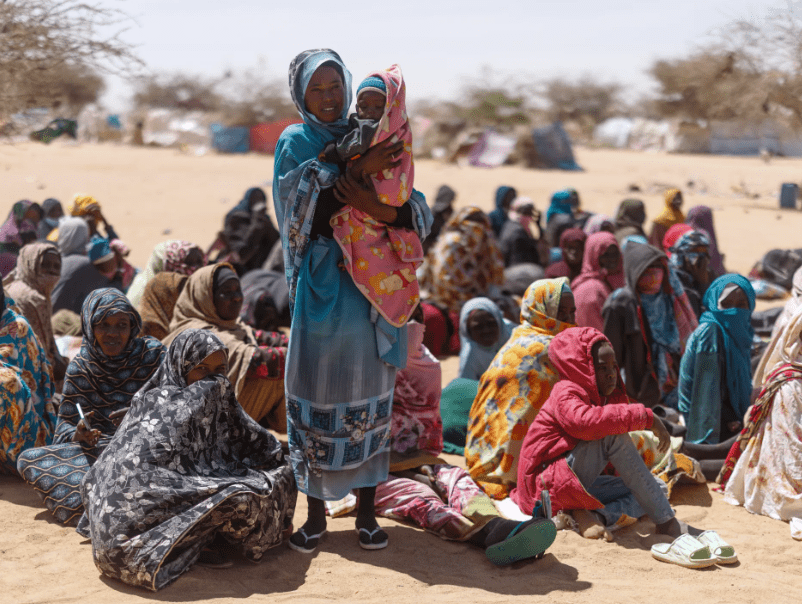
A new report by Doctors Without Borders has documented widespread sexual violence in Sudan’s ongoing civil war, describing it as a pervasive element of the conflict affecting civilians far beyond active front lines. The findings underscore growing humanitarian concerns as the war continues to destabilize the region and strain international response efforts.
Background and Context
Since fighting erupted in April 2023 between the Sudanese Armed Forces and the paramilitary Rapid Support Forces, Sudan has faced one of the most severe humanitarian crises in recent years. The conflict, rooted in a power struggle between military factions following a failed political transition, has displaced millions and severely disrupted access to basic services.
The western region of Darfur, historically associated with episodes of mass violence and ethnic targeting, has once again become a focal point. Previous conflicts in the early 2000s drew international scrutiny over allegations of war crimes and crimes against humanity, and current developments suggest patterns of abuse may be re-emerging.
Key Developments
According to the report, based on data collected between January 2024 and November 2025, 3,396 survivors of sexual violence sought care at facilities supported by Doctors Without Borders in North and South Darfur. The organization emphasized that these figures likely represent only a portion of the total cases, given limited access to healthcare and underreporting.
Women and girls accounted for 97 percent of those treated. The report attributes the majority of incidents to members of the Rapid Support Forces and allied groups, citing survivor testimonies and clinical records. Attacks were reported not only in areas of active fighting but also in displacement camps, markets, and along transit routes used by civilians fleeing violence.
Children were among those affected, with approximately 20 percent of reported survivors in South Darfur under the age of 18. The report also documented cases involving very young children, highlighting the scale and severity of the abuses.
The findings follow intensified violence in late 2025, including the capture of el-Fasher, the capital of North Darfur. Medical teams reported treating more than 140 survivors who fled the area, many of whom described assaults occurring during their displacement.
Analysis and Implications
The report’s findings carry significant implications for US foreign policy and broader international relations. Sudan’s conflict, while often overshadowed by other global crises, represents a growing challenge for diplomatic engagement and humanitarian coordination.
For Washington and its partners, the documented use of sexual violence as a tactic of war raises concerns about accountability and the enforcement of international humanitarian law. It may also influence future policy decisions, including sanctions, aid allocation, and engagement with regional actors.
In the context of Middle East politics and adjacent regions, instability in Sudan risks further destabilizing the Horn of Africa and Red Sea corridor—an area of strategic importance for global trade and security. Continued displacement and cross-border impacts, particularly into neighboring countries such as Chad, add to regional geopolitical tensions.
The findings also highlight ongoing gaps in humanitarian response systems. Limited access to healthcare, weakened institutions, and displacement have reduced the ability of survivors to seek support, complicating international efforts to address the crisis.
Conclusion
As Sudan’s conflict enters its third year, the report underscores the urgency of coordinated international action. Calls from humanitarian organizations for increased protection measures, expanded medical services, and accountability mechanisms are likely to shape ongoing diplomatic discussions.
The trajectory of the conflict—and the international community’s response—will be critical in determining whether conditions improve or further deteriorate, with implications extending beyond Sudan to regional stability and global humanitarian priorities.

















Comments are closed.