

FIFA has confirmed that Iran will participate in the 2026 World Cup and that its matches will proceed as originally scheduled in the United States, despite ongoing geopolitical tensions linked to the conflict involving Iran and Israel.
Background and Context
The confirmation comes amid heightened uncertainty over Iran’s participation in the tournament due to escalating conflict in the Middle East. The war between Iran and Israel, which has drawn wider international attention, has raised security concerns and prompted discussions within Iranian football authorities about whether matches should be relocated.
The 2026 World Cup is set to be jointly hosted by the United States, Canada, and Mexico from 11 June, with fixtures assigned based on the official tournament draw. Iran had reportedly engaged in discussions with FIFA regarding the possibility of moving its group-stage matches away from the United States.
Key Developments
FIFA President Gianni Infantino stated that Iran will take part in the tournament as planned, confirming that matches will remain in their designated host cities. Iran is scheduled to play group-stage fixtures in Los Angeles and Seattle against New Zealand, Belgium, and Egypt.
Infantino said he had spoken with players and coaching staff during recent engagements and emphasized that tournament arrangements would not be altered. He also reiterated that FIFA would adhere to the original scheduling framework established after the World Cup draw.
The Iranian Football Federation has indicated it will comply with FIFA regulations, while also acknowledging earlier discussions about potential relocation of matches due to security concerns. Iranian officials had previously suggested Mexico as an alternative venue for their games, though no formal change has been confirmed.
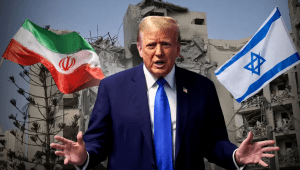
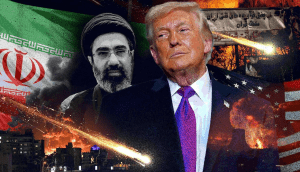
Tensions surrounding the tournament intensified after public comments from US political figures regarding Iran’s participation. US President Donald Trump indicated that Iran would be permitted to compete, while also raising security-related concerns. Iranian officials responded by questioning broader eligibility and fairness within the competition framework.
Analysis and Implications
The decision to maintain the existing match schedule reflects FIFA’s preference for operational continuity despite geopolitical instability affecting participating nations. It also signals an effort to separate international sporting governance from ongoing political and military developments in the Middle East.
For US foreign policy and broader international relations, the situation highlights the intersection of global sport and geopolitical tensions, particularly as the United States prepares to co-host a major international tournament during a period of heightened regional conflict.
From a security and logistics perspective, the confirmation places responsibility on host nations to ensure safe conditions for participating teams, including Iran, in accordance with FIFA tournament regulations and international sporting protocols.
While concerns remain regarding the broader regional conflict, FIFA’s position suggests confidence that the World Cup will proceed without structural changes to venues or scheduling.
Conclusion
Iran’s participation in the 2026 World Cup is now expected to proceed under the original hosting arrangements, with FIFA maintaining that no relocations or schedule changes will be made. However, ongoing geopolitical tensions continue to cast uncertainty over the broader security environment in which the tournament will take place.
Further developments in the Middle East situation may influence diplomatic and logistical discussions in the months leading up to the event.







Comments are closed.