
A Viral Trend Turns Into a National Investigation
A growing global beauty trend has taken a serious turn. Authorities in Italy have launched a high-profile investigation into Sephora and Benefit Cosmetics over allegations of targeting skincare products at children.
At the center of the controversy is a disturbing question: are major beauty brands encouraging kids as young as 10 to use anti-aging products?
The case has quickly gone viral, sparking outrage among parents, health experts, and regulators across Europe.
Inside the Italy Sephora Benefit investigation
Why authorities are taking action
The Italy Sephora Benefit investigation was launched by the country’s competition watchdog, which is examining whether these brands engaged in unfair marketing practices.
The focus is on their parent company, LVMH, one of the most powerful players in the global beauty and fashion industry.
Authorities believe the brands may have used subtle but effective strategies to promote adult skincare products to children. These include:
- Collaborations with young influencers
- Social media campaigns targeting younger audiences
- Lack of clear warnings about age-appropriate use
Officials described the approach as “particularly insidious,” suggesting it may blur the line between entertainment and advertising.
The rise of “Sephora kids” and social media pressure
A trend driven by TikTok and Instagram
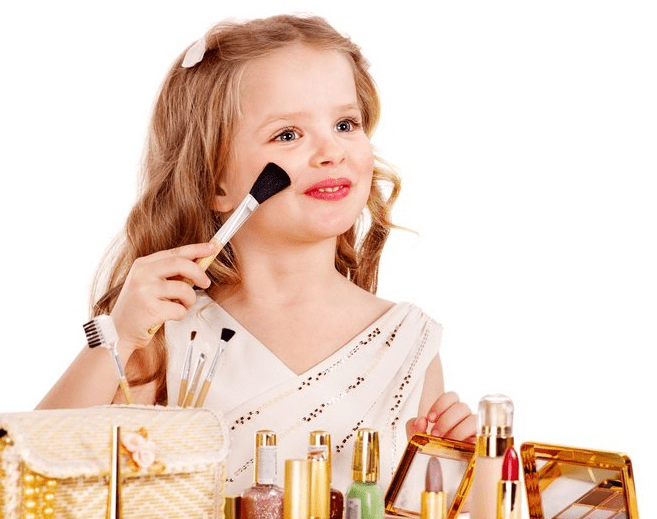
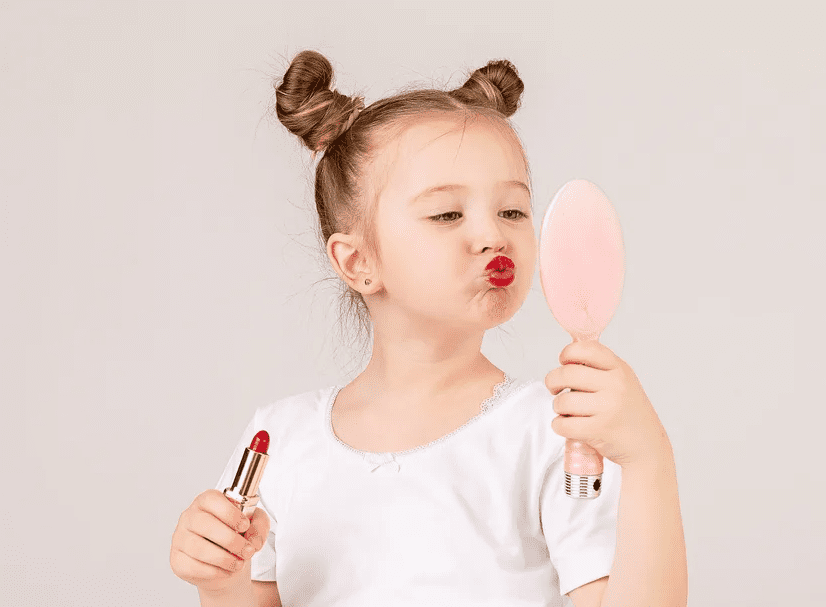
The controversy is closely tied to the viral “Sephora kids” trend. Across platforms like TikTok and Instagram, children are sharing skincare routines, product hauls, and beauty tutorials.
With millions of views under hashtags like “Sephora kids haul” and “Get Ready With Me,” the trend has exploded globally.
However, experts warn that this content is not harmless.
Young audiences are increasingly exposed to products designed for adult skin, including serums, face masks, and anti-aging creams. As a result, children may feel pressured to adopt complex beauty routines far too early.
What is cosmeticorexia and why it matters
The hidden risk behind viral skincare
Authorities have also raised concerns about a growing phenomenon known as “cosmeticorexia.” This term describes an unhealthy obsession with skincare and beauty routines, especially among young people.
Experts say the trend can lead to:
- Compulsive product use
- Anxiety about appearance at an early age
- Unrealistic beauty standards
- Financial pressure on families
In extreme cases, children may develop long-term emotional and psychological issues linked to self-image.
Health experts warn of real skin damage
Why adult skincare is risky for children
Dermatologists have issued strong warnings about children using products designed for adults.
Young skin is more sensitive and still developing. As a result, exposure to certain ingredients can cause:
- Skin irritation and redness
- Allergic reactions
- Damage to the skin barrier
- Long-term sensitivity issues
Some experts even caution that repeated misuse could lead to permanent skin problems.
Despite these risks, concerns remain that warnings on product packaging may not be clear or visible enough for younger audiences.
Allegations of misleading marketing practices
Are brands being transparent?
Investigators are examining whether Sephora and Benefit failed to properly communicate that their products are not suitable for children.
The concern is not only about what was said, but also about what may have been left unsaid.
Authorities believe that:
- Important safety warnings may have been minimized
- Marketing campaigns may have indirectly encouraged children to buy products
- Influencer collaborations may not have clearly disclosed promotional intent
This raises broader questions about transparency in the digital marketing age.
LVMH responds to the investigation
In response to the growing controversy, LVMH stated that it will fully cooperate with authorities.
The company emphasized its commitment to complying with all regulations. However, it has not provided detailed comments due to the ongoing nature of the investigation.
This cautious response has done little to calm public concern, as pressure continues to mount.
A wider debate about children and beauty culture
Where should the line be drawn?
The Italy Sephora Benefit investigation has sparked a much larger conversation about the role of beauty brands in shaping youth culture.
Many parents and experts are now questioning:
- Should children be exposed to skincare marketing at all?
- Are social media platforms doing enough to protect young users?
- Do brands have a responsibility beyond legal compliance?
As beauty trends continue to evolve, the line between self-care and commercial influence is becoming increasingly blurred.
Could this change the global beauty industry?
This case could have far-reaching consequences.
If authorities find evidence of unfair practices, it may lead to stricter regulations not only in Italy but across Europe. Brands could be required to:
- Introduce clearer labeling
- Restrict marketing to minors
- Monitor influencer partnerships more closely
Such changes could reshape how beauty companies engage with younger audiences worldwide.
Conclusion: A Wake-Up Call for Brands and Parents
The Italy Sephora Benefit investigation is more than just a legal case. It is a reflection of a rapidly changing digital landscape where trends spread faster than regulations can keep up.
At its core, the issue highlights a delicate balance between business, influence, and responsibility.
As the investigation unfolds, it may serve as a turning point. For brands, it is a warning to rethink marketing strategies. For parents, it is a reminder to stay informed about what their children consume online.
And for the global beauty industry, it may mark the beginning of a new era of accountability.














Comments are closed.