
US Military Option for Greenland Sparks Alarm Among Allies
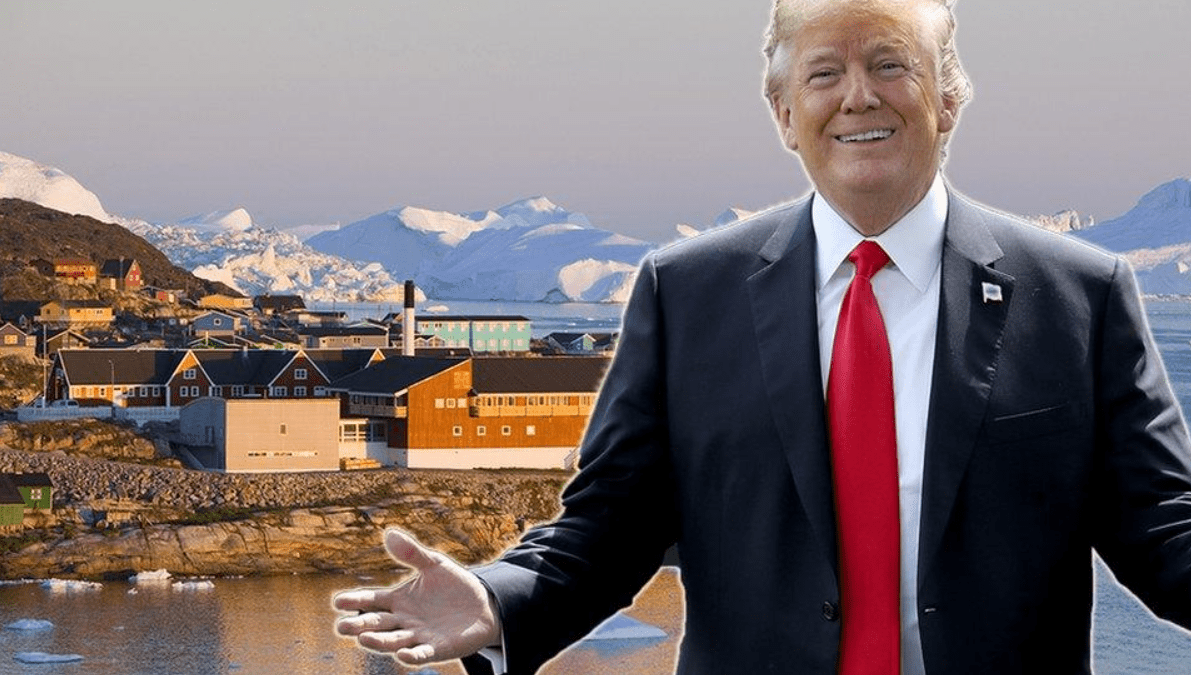
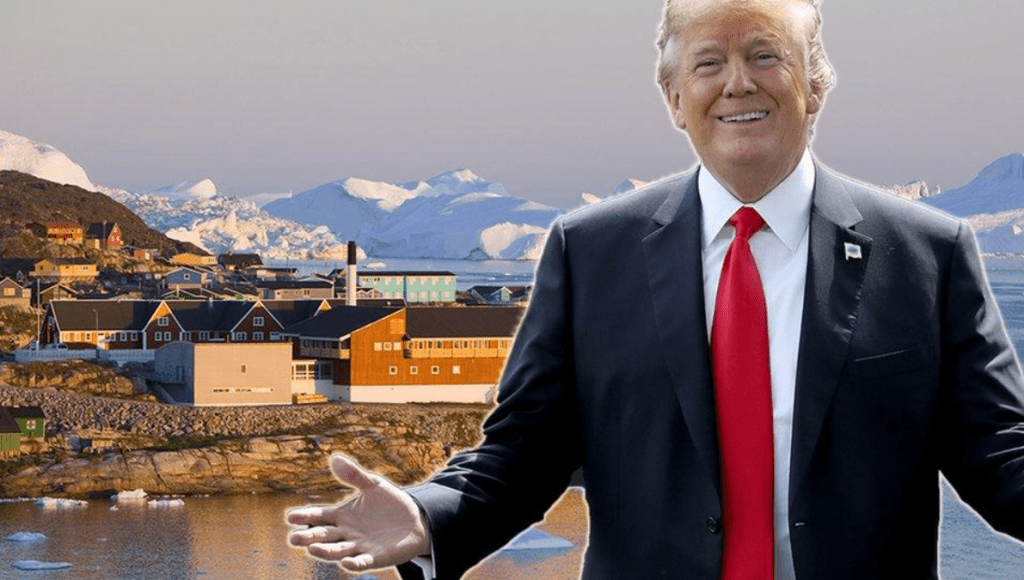
The possibility of a US military option for Greenland has sent shockwaves through international diplomatic circles after the White House confirmed that force is among the tools being considered to gain control of the Arctic territory. The statement, delivered openly by President Donald Trump’s press secretary, has raised serious concerns across Europe and reignited debates about sovereignty, security, and the future of the Arctic region.
As geopolitical tensions continue to escalate globally, Greenland has emerged as an unexpected focal point in Washington’s foreign policy ambitions.
Why Greenland Matters to the United States
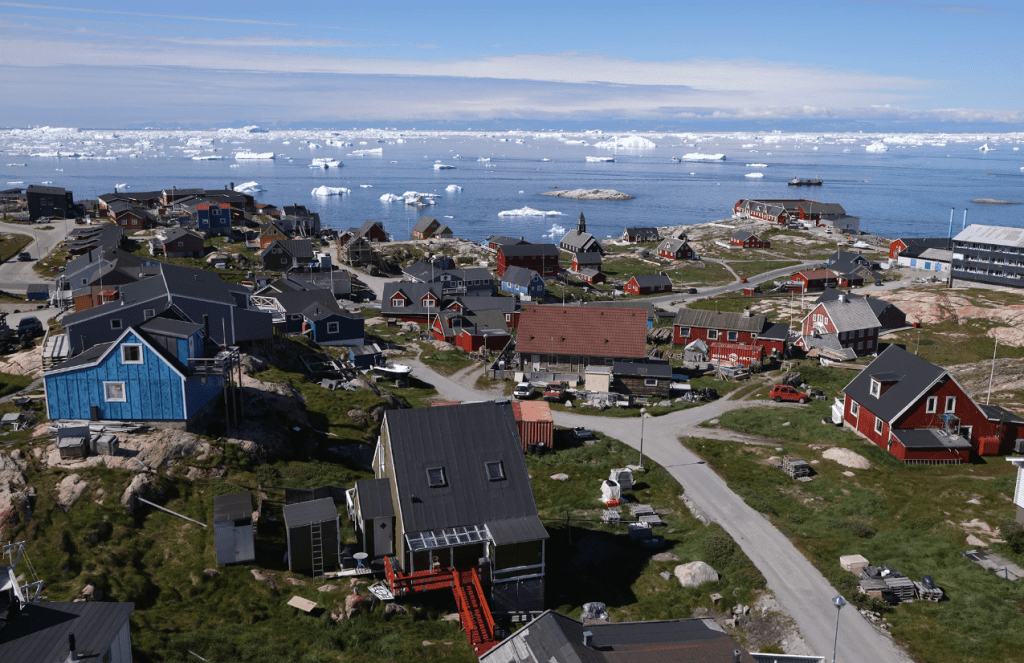
Greenland’s strategic importance has long been understood by military planners and policymakers. Located between North America and Europe, the vast Arctic island occupies a critical position for ballistic missile detection and early warning systems.
The US already maintains a significant military presence at Thule Space Base, which plays a key role in missile defense and space surveillance. However, recent statements suggest that Washington’s interests now extend far beyond existing agreements with Denmark and Greenland’s autonomous government.
In addition to security considerations, Greenland holds substantial reserves of rare earth minerals and other critical resources. These materials are essential for modern technology, clean energy, and defense manufacturing. Reducing dependence on Chinese exports has become a top priority for the US, making Greenland even more attractive.
White House Confirms Military Force Is Being Considered
Speaking to reporters on January 6, White House press secretary Karoline Leavitt made the administration’s position unmistakably clear. She stated that acquiring Greenland is considered a national security priority and emphasized the need to deter adversaries in the Arctic.
More strikingly, she confirmed that a range of options is being discussed to achieve this goal. Among them, she said, the use of the US military is always available to the president as commander in chief.
This confirmation marked one of the strongest and most explicit acknowledgments to date that military force has not been ruled out.
From Outlandish Idea to Serious Concern
Until recently, the notion that the United States might seek control of a sovereign and self-governing territory sounded implausible to many observers. That perception has shifted dramatically in recent months.
Following the US capture of Venezuelan leader Nicolás Maduro and Washington’s declaration that it would temporarily assume control of Venezuela, allies have grown increasingly uneasy. Critics argue that these actions signal a willingness to bypass long-standing norms of international law.
Against this backdrop, the idea of a US military option for Greenland no longer feels hypothetical to many European leaders.
Strong Rejection From Greenland and Denmark
Greenland’s leadership has responded forcefully to Washington’s rhetoric. Prime Minister Jens-Frederik Nielsen has repeatedly rejected any suggestion of annexation or coercion.
In a strongly worded statement shared on social media, Nielsen accused the US of unacceptable behavior and urged Trump to abandon what he described as fantasies about annexation. He emphasized that threats and pressure have no place between allies.
Denmark, which retains responsibility for Greenland’s foreign affairs and defense, has echoed these sentiments. Officials in Copenhagen have stressed that Greenland is not for sale and that its future will be decided by its people alone.
NATO and the Risk of Escalation
The prospect of military action against Greenland carries far-reaching implications. Denmark is a founding member of NATO, and any armed incursion could trigger collective defense obligations under the alliance.
European leaders have warned that such a scenario could spiral rapidly, drawing multiple nations into a broader conflict. Some analysts have gone so far as to suggest that an invasion could ignite a global crisis with consequences rivaling those of the Cold War.
These concerns have added urgency to diplomatic efforts aimed at cooling tensions and reinforcing international norms.
Greenland’s Buried Cold War Legacy Resurfaces
As political tensions intensify, Greenland’s past has also returned to the spotlight. In 2024, a NASA radar flyover revealed remnants of a long-abandoned US military base buried deep beneath the island’s ice sheet.
Known as Camp Century, the secret installation was constructed during the Cold War as part of Project Iceworm. The ambitious plan aimed to create a network of nuclear missile launch sites hidden under the ice, allowing the US to retaliate in the event of a nuclear attack.
The base functioned as a self-contained underground community, complete with living quarters, a medical center, a church, and even a small nuclear reactor.
A Hidden Environmental Time Bomb
Camp Century was abandoned in the late 1960s after shifting ice made the project unworkable. At the time, scientists believed the ice sheet would permanently entomb the site and its waste.
That assumption is now being challenged by climate change. As Greenland’s ice continues to melt at accelerating rates, concerns are growing about what lies beneath.
Researchers estimate that around 9,200 tonnes of physical waste remain at the site, including radioactive material, chemical contaminants, and approximately 200,000 liters of diesel fuel. Hazardous substances such as polychlorinated biphenyls are also believed to be present.
Climate scientists warn that exposure of this waste could lead to severe environmental consequences in the coming centuries.
Climate Change Accelerates the Threat
Experts emphasize that climate change has dramatically shortened the timeline for potential exposure. What was once expected to remain buried for millennia may now surface much sooner.
Scientists involved in the research have explained that rising temperatures act like a fast-forward button, accelerating processes that were previously considered stable. While the exact timing remains uncertain, the risk is no longer theoretical.
This environmental vulnerability adds another layer of complexity to Greenland’s geopolitical significance.
A Flashpoint for the Future of the Arctic
The Arctic is rapidly becoming one of the most contested regions on the planet. Melting ice is opening new shipping routes, increasing access to resources, and intensifying competition among global powers.
In this context, Greenland stands at the center of overlapping military, economic, and environmental interests. The White House’s confirmation that a US military option for Greenland is under consideration has only heightened the sense that the region could become a flashpoint in the years ahead.
Conclusion
The White House’s remarks about using military force to acquire Greenland represent a dramatic escalation in rhetoric and intent. While no action has been taken, the acknowledgment alone has unsettled allies and raised profound questions about the future of international relations in the Arctic.
As Greenland’s leaders continue to assert their sovereignty and European nations voice alarm, the situation underscores the fragile balance between security ambitions, environmental responsibility, and respect for self-determination.
What happens next will likely shape not only Greenland’s future, but also the credibility of the global rules-based order in an increasingly unstable world.












Comments are closed.