

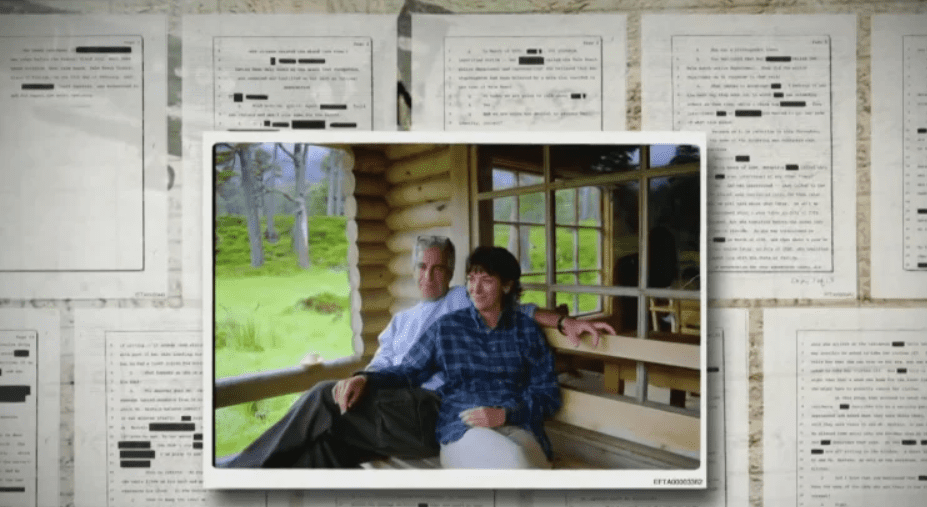
After years of pressure, speculation, and political promises, the long awaited Jeffrey Epstein files have finally been released. However, instead of delivering full transparency, the disclosure has triggered a fresh wave of controversy, public anger, and renewed demands for answers. While hundreds of thousands of documents are now available, critics argue that what is missing may matter more than what has been revealed.

Trump Signs Law Forcing the Release
The release follows President Donald Trump signing the Epstein Files Transparency Act into law. The legislation required the US Department of Justice to publish all unclassified documents related to the Epstein investigation within 30 days.
The countdown officially began on November 19. As the deadline approached, pressure mounted on the DOJ from lawmakers, survivors, and the public. Despite that, the department waited until the final hours to publish the first batch of files.
Hundreds of Thousands of Pages Go Live
On December 19, the DOJ launched a dedicated webpage featuring four separate links containing what officials estimate to be nearly 300,000 pages of documents. According to Deputy Attorney General Todd Blanche, additional releases are expected in the coming weeks.
The files include photos, emails, handwritten notes, and internal records. Notably, they reference numerous high profile figures. However, officials stress that appearing in the files does not imply wrongdoing.
Why The Release Sparked Immediate Backlash
Despite the massive volume, critics quickly pointed out extensive redactions. Entire sections are blacked out, including a 119 page document labeled “Grand Jury NY” that is completely unreadable.
Senator Ron Wyden called the partial release “an insult to the intelligence of the American people.” Meanwhile, House Oversight Democrats accused the DOJ of failing to comply with the law’s requirement for full transparency.
Adding to the frustration, lawmakers argue that the department has not clearly explained why so many documents remain redacted.
Survivors Support Transparency but Demand Protection
Epstein survivors have largely welcomed the release, seeing it as a step toward accountability. However, many also expressed concern about how the process was handled.
Survivor Dani Bensky revealed that victims were not informed about the timing or content of the release. Still, survivors told CNN they believe the documents could validate their experiences, provided privacy protections remain in place.
Importantly, the law allows the DOJ to withhold materials that could jeopardize ongoing investigations or expose sensitive victim information.
Disturbing Photos From Epstein’s Estate Add Fuel
In parallel with the DOJ release, the House Oversight Committee has published dozens of photos from Epstein’s estate and emails. Lawmakers confirmed they have reviewed over 95,000 images, many of which they describe as deeply disturbing.
Some photos include prominent political and business figures. While none show illegal activity, their release has intensified public scrutiny and media attention.
Representative Robert Garcia stated that more images will be released gradually to ensure appropriate redactions and victim protection.
Political Reactions Deepen The Divide
President Trump responded forcefully, suggesting the files would expose political opponents rather than himself. In contrast, Democratic leaders including Chuck Schumer and Ro Khanna accused the administration of breaking the law by failing to release all unclassified materials.
The DOJ maintains that redactions are necessary and temporary, emphasizing the need to protect victims above all else.
What Is Still Missing From The Epstein Files
Legal experts and journalists estimate that more than 550 pages are fully redacted so far. Additionally, many names, locations, and details remain obscured without explanation.
Although the DOJ has promised rolling releases, public trust remains fragile. Transparency advocates argue that without clear justifications, confidence in the process will continue to erode.
Conclusion
The release of the Epstein files was supposed to close one of the darkest chapters in recent history. Instead, it has reopened wounds and raised new questions. While the disclosure marks a significant moment, the heavy redactions and incomplete transparency have ensured that the Epstein controversy is far from over. As more documents are expected in the coming weeks, the world will be watching closely to see whether truth or secrecy ultimately prevails.






















Comments are closed.