
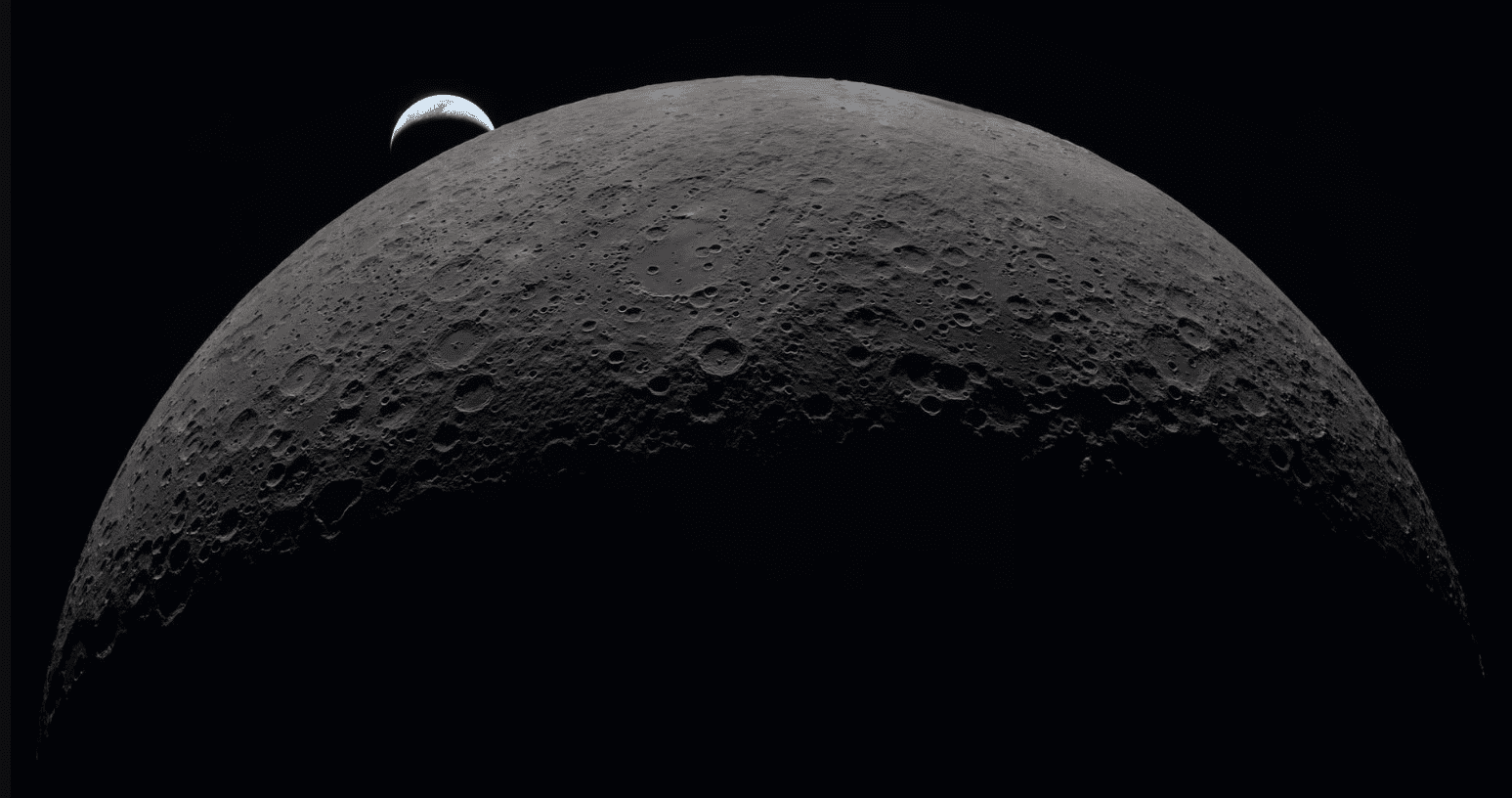
A breathtaking moment for space exploration
Humanity has once again stretched the limits of exploration. The Artemis II mission has delivered a historic lunar flyby that is already being called a defining milestone in modern spaceflight. For the first time, astronauts aboard Orion spacecraft observed illuminated portions of the Moon’s far side with their own eyes.
This extraordinary journey, led by NASA, marks a bold return to deep space exploration. Moreover, it brings us closer to a long-awaited goal: a sustained human presence on the Moon.
Inside the Artemis II mission
Record-breaking distance from Earth
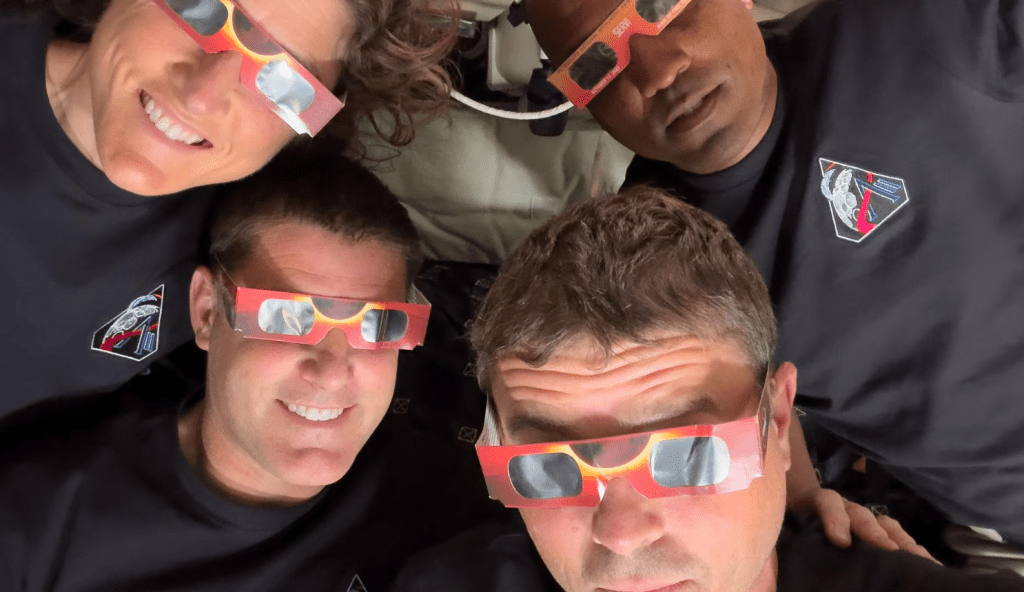
The Artemis II crew achieved a remarkable milestone by traveling farther from Earth than any humans before them. This surpasses even the historic journey of Apollo 13 mission.
Although the record itself may seem symbolic, it highlights a crucial reality. Humans are once again venturing into deep space, pushing boundaries that remained untouched for decades.
A journey around the Moon
After launch, the Orion spacecraft orbited Earth for system checks before heading toward the Moon. During the flyby, it passed approximately 6,545 kilometers above the lunar surface.
As a result, the astronauts gained a unique observational advantage. Unlike earlier missions, they could see large illuminated portions of the Moon’s far side, something never fully visible during the Apollo era.
Witnessing the Moon like never before
The far side in sunlight
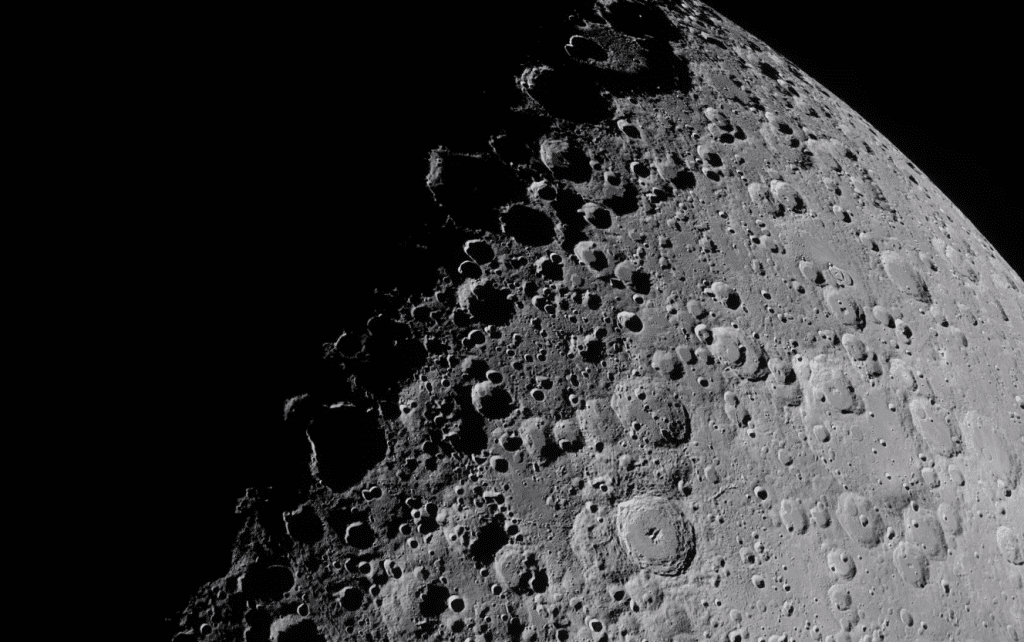
One of the mission’s most significant achievements was visual. About 21 percent of the Moon’s far side appeared illuminated during the flyby.
This is a major difference from Apollo missions, which viewed the far side mostly in darkness. Consequently, Artemis II astronauts described subtle colors and textures never seen before.
Astronauts reported brown and green hues across regions such as the Aristarchus plateau. These observations could reshape how scientists understand lunar geology.
The magic of the lunar terminator
The boundary between light and darkness on the Moon, known as the lunar terminator, captivated the crew.
Shadows stretched dramatically across craters and valleys. Features appeared more pronounced and even surreal. Some astronauts compared the terrain to deep voids or abstract landscapes.
This shifting line of light revealed details that are often invisible from Earth, offering scientists valuable new perspectives.
Rare cosmic events observed in real time
Solar eclipse from deep space
During the flyby, astronauts experienced a rare solar eclipse from their vantage point near the Moon. Unlike eclipses seen from Earth, the Sun appeared smaller and partially hidden behind the Moon’s disk.
This allowed the crew to observe the Sun’s corona from a completely different angle. These observations are expected to provide valuable scientific data.
Micrometeorite impacts captured
In another exciting development, the crew observed multiple impact flashes on the Moon’s surface. These flashes occur when micrometeorites strike the lunar ground.
Although such events were seen during Apollo missions, they remain rare and difficult to capture. This time, both astronauts and citizen scientists monitored the phenomenon simultaneously.
Communication blackout and emotional return
As Orion passed behind the Moon, communication with Earth was lost for about 40 minutes. This temporary blackout created tension both in space and on the ground.
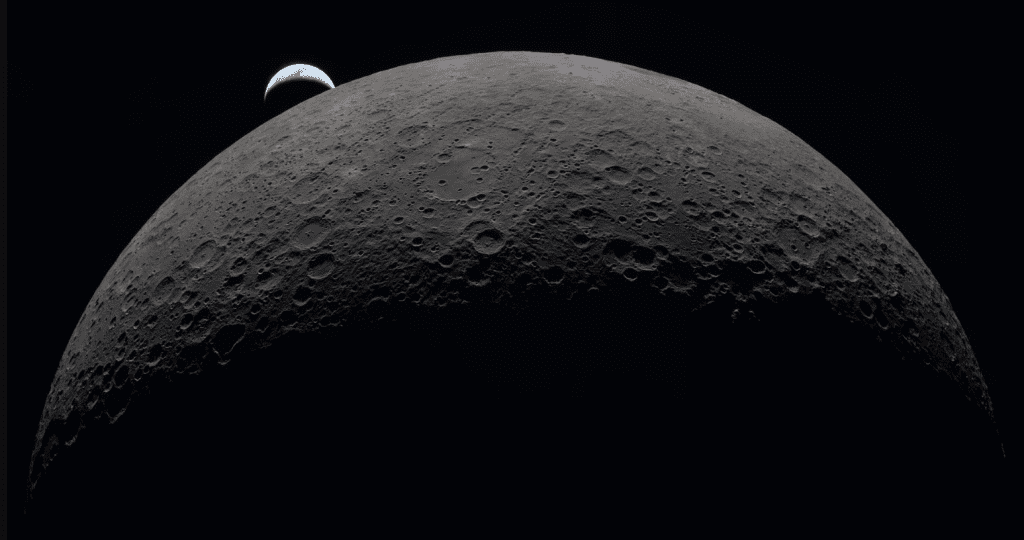
However, the moment communication resumed brought relief and awe. The astronauts described seeing a delicate crescent Earth rising from behind the Moon.
This modern “Earthrise” differed from the iconic image captured during Apollo 8 mission. Instead of a full globe, the crew saw only a thin sliver of Earth glowing in the darkness.
Conversations from space
In a symbolic continuation of history, the Artemis II astronauts spoke with Donald Trump during their journey.
This echoed a famous moment when Richard Nixon called Apollo 11 astronauts on the lunar surface in 1969.
The Artemis II crew described their experience as both intense and peaceful. Interestingly, they noted that the communication blackout offered a rare sense of quiet isolation.
What happens next for Artemis II?
The journey back to Earth
Following the flyby, the astronauts began their return journey, expected to last several days. The mission will conclude with a high-speed re-entry into Earth’s atmosphere.
The Orion capsule will endure extreme heat before deploying parachutes and splashing down in the Pacific Ocean. Recovery teams will then retrieve the crew and bring them safely ashore.
Preparing for a lunar future
The success of Artemis II sets the stage for future missions. NASA aims to test additional systems in upcoming flights, eventually leading to human landings on the Moon.
Plans are already in motion to build a permanent lunar base by 2036. This ambitious project could cost around $30 billion and would mark a new era of space exploration.
Why Artemis II matters for humanity
Artemis II is more than a technical achievement. It represents a renewed commitment to exploration, science, and international collaboration.
By observing the Moon’s far side in new ways, scientists gain insights that could influence future missions and deepen our understanding of planetary formation.
At the same time, the mission inspires a new generation. It reminds us that exploration is not just about reaching destinations, but about expanding human perspective.
Conclusion: A giant leap toward the future
The Artemis II lunar flyby stands as one of the most significant space milestones of the 21st century. From record-breaking distances to never-before-seen lunar views, the mission has reshaped what we thought was possible.
As the astronauts return home, their discoveries will continue to inform science and exploration. More importantly, they bring humanity one step closer to living and working beyond Earth.
The Moon is no longer just a distant object in the night sky. Thanks to Artemis II, it feels closer, more detailed, and full of possibility.











Comments are closed.