
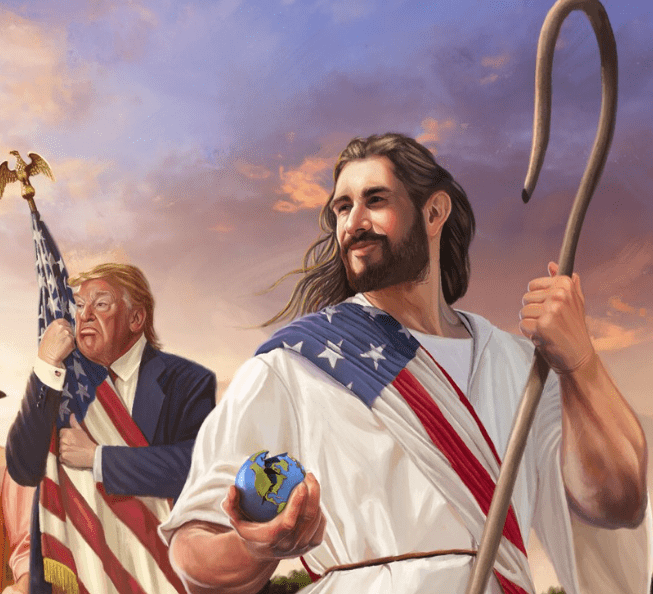
As the conflict between the United States, Israel, and Iran intensifies, a new controversy has emerged inside the American military. According to reports from service members, a US commander allegedly told troops that Donald Trump had been “chosen by Jesus” to unleash Armageddon through the war against Iran.
The claim, which has sparked alarm among military watchdog groups and constitutional advocates, comes at a moment when the Middle East conflict is already reshaping global geopolitics. If accurate, the allegations raise serious concerns about the role of religion inside military command structures and the potential impact on troop morale and discipline.
War With Iran Intensifies Across the Middle East
The controversy comes against the backdrop of one of the most dangerous escalations in the region in years. On February 28, joint strikes by the United States and Israel targeted key Iranian military sites, dramatically raising tensions across the Middle East.
The attacks reportedly killed Ali Khamenei at his residence in Tehran. His death sent shockwaves through Iran’s leadership and triggered immediate retaliation.
Iran responded with strikes against several countries in the region. Missiles and drones targeted locations linked to US forces in Kuwait, Oman, Bahrain, and the Dubai.
One of the retaliatory attacks in Kuwait reportedly killed six American soldiers. The violence quickly spread across multiple fronts, raising fears that the war could escalate into a wider regional conflict.
While geopolitical tensions and nuclear concerns have long driven hostility between Washington and Tehran, the latest allegations suggest some military leaders may be framing the conflict in deeply religious terms.
Complaints Filed Over “Armageddon” Claims
The controversy began after independent journalist Jonathan Larsen reported that US troops had submitted dozens of complaints about statements made by military commanders.
According to the report, more than 110 complaints have been filed with the Military Religious Freedom Foundation. The complaints reportedly involve commanders across more than 40 military units and 30 installations.
Several service members claimed that a combat unit commander instructed non commissioned officers to tell soldiers that the war with Iran was part of a divine plan.
One complaint stated that the commander urged troops to explain that the conflict was “all part of God’s divine plan,” referencing passages from the Book of Revelation describing the biblical battle of Armageddon.
Claims Trump Was “Anointed” to Trigger End Times
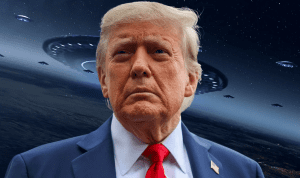
According to the complaints, the commander allegedly went further. He reportedly claimed that Trump had been “anointed by Jesus” to ignite a war in Iran that would trigger the apocalyptic events described in the Bible.
The alleged remarks suggested that the conflict could serve as a signal for the return of Jesus Christ and the beginning of the End Times.
Service members who reported the incident expressed concern that such comments could undermine discipline and unity within military units.
One non commissioned officer wrote that the commander’s statements “destroy morale and unit cohesion and are in violation of the oaths we swore to support the Constitution.”
Military Watchdog Says Complaints Are Increasing
The president of the Military Religious Freedom Foundation, Mikey Weinstein, confirmed that his organization has received a surge of similar complaints.
Weinstein said many service members reported that some commanders appeared enthusiastic about the idea that the war could fulfill biblical prophecy.
“These calls have one thing in common,” Weinstein explained. “Our clients report the unrestricted euphoria of their commanders and command chains as to how this biblically sanctioned war is clearly the sign of the approaching End Times.”
According to Weinstein, some officers even discussed how the conflict could become increasingly violent as part of what they described as prophetic events predicted in scripture.
Such claims have alarmed critics who argue that military operations must remain strictly separated from religious ideology.
Concerns Over Religion in the Military
The US Constitution guarantees religious freedom while also prohibiting the government from establishing a state religion. In the military context, commanders are expected to respect those principles while maintaining a neutral environment for personnel of all beliefs.
When religious views appear to influence military decisions or rhetoric, critics argue it can blur the line between personal faith and official policy.
The allegations surrounding the Armageddon comments have therefore sparked debate about whether religious language is being used inappropriately within command structures.
Legal experts warn that framing a war as part of divine prophecy could undermine trust within diverse military units and damage international perceptions of American intentions.
White House and Pentagon Response Awaited
As of now, neither the White House nor the Department of Defense has issued an official response to the allegations. Media outlets have requested comments from both institutions.
If confirmed, the statements could trigger internal investigations or disciplinary actions within the military.
At the same time, the conflict with Iran continues to unfold across the Middle East. The war has already caused casualties, disrupted regional stability, and raised fears of a prolonged confrontation that could affect global security and economic markets.
War, Faith, and Political Narratives
The controversy highlights how wars often generate powerful narratives that extend beyond traditional political or military explanations.
For some observers, framing the conflict in religious terms reflects a broader trend in which ideological beliefs intersect with geopolitical struggles.
For others, the allegations simply underscore the need for strict boundaries between personal beliefs and military authority.
As the conflict between the United States and Iran continues, the debate surrounding these claims is likely to intensify.
Whether the alleged comments represent isolated incidents or a deeper cultural issue inside the military remains an open question. What is certain is that the war itself is already shaping global politics, and the narratives surrounding it may prove just as influential as the battles being fought.






Comments are closed.