
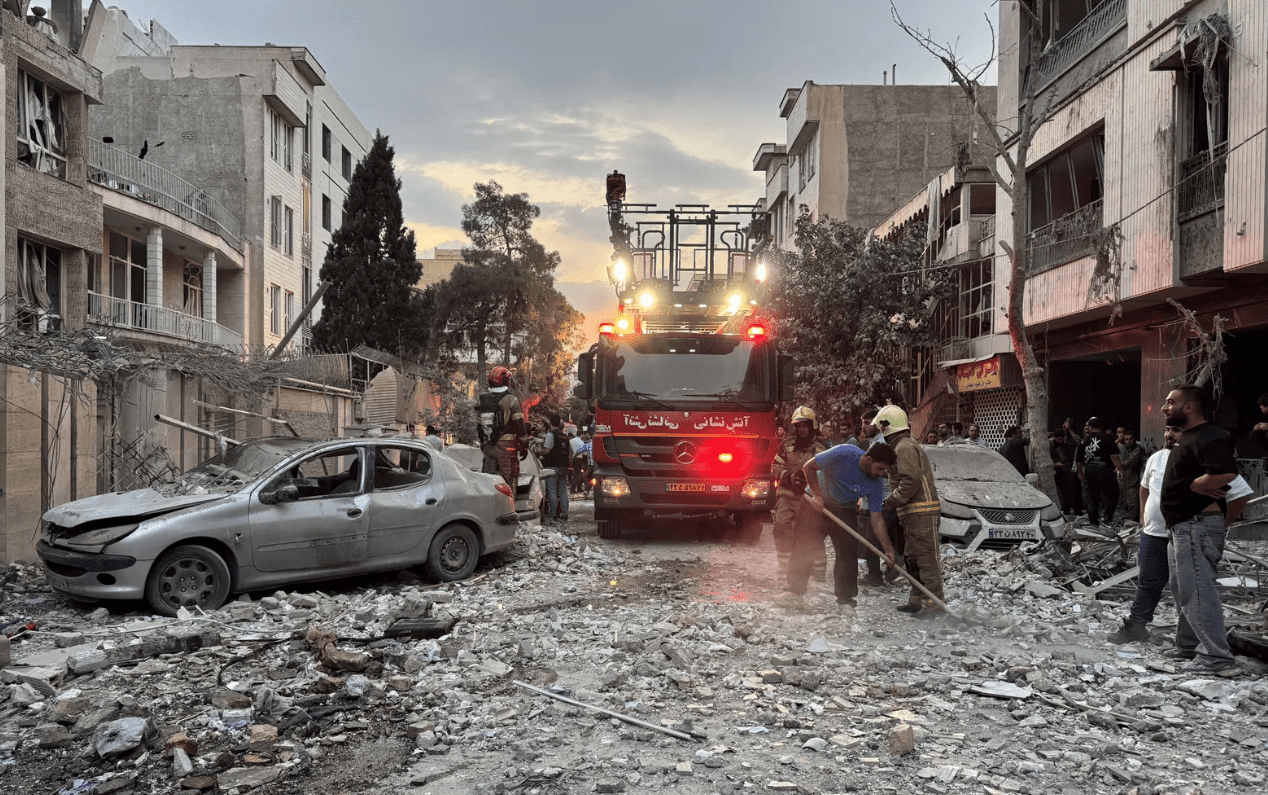
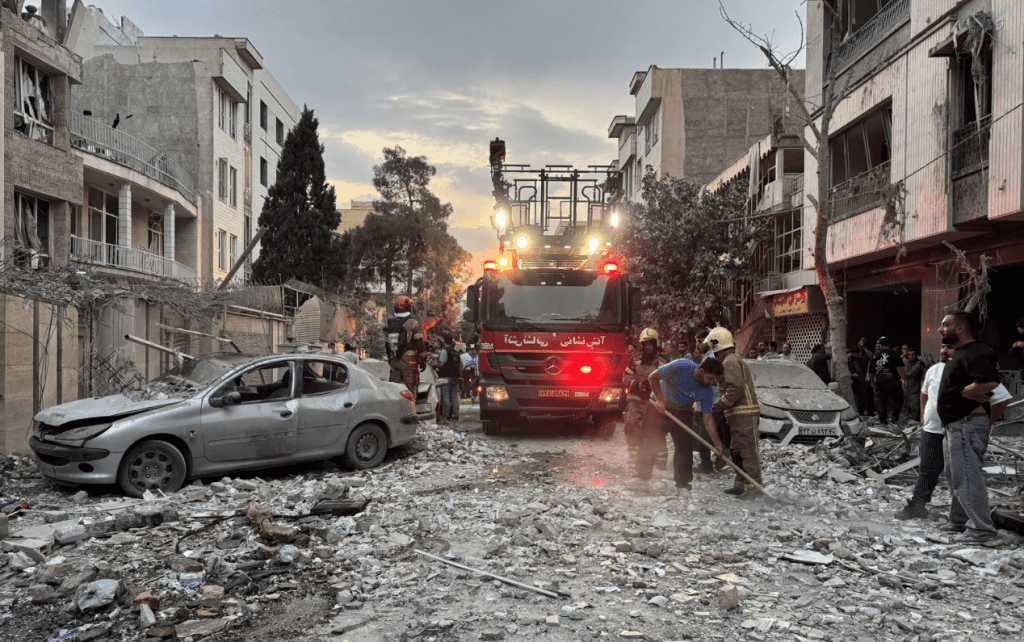
The Middle East has entered one of its most dangerous geopolitical moments in decades. Following large-scale military strikes by the United States and Israel on Iran, tensions have rapidly escalated into a widening regional conflict with global consequences.
Airstrikes, missile retaliation, economic disruption, and expanding military fronts have transformed an already fragile region into a high-risk zone. As violence spreads beyond national borders, world leaders and analysts are now asking the same urgent question: how far could this war go, and how long might it last?
What Sparked the US and Israel Attack on Iran?
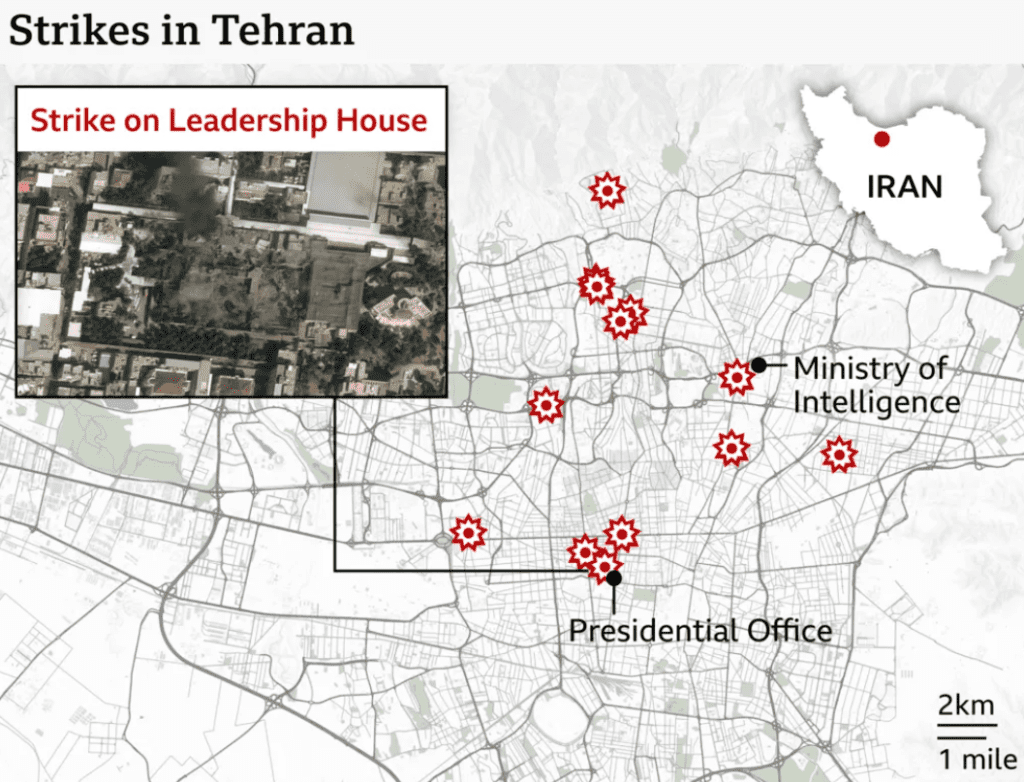
The conflict began on 28 February when US and Israeli forces launched coordinated strikes targeting Iran’s military infrastructure, missile systems, and senior leadership positions.
According to military officials, the operation was described as a pre-emptive move designed to eliminate what Israel considered immediate security threats. The strikes focused on strategic facilities connected to Iran’s defense network and alleged missile development programs.
During the first wave of attacks, Iran’s Supreme Leader Ayatollah Ali Khamenei was killed alongside several high-ranking military officials linked to the Islamic Revolutionary Guard Corps. The loss of key leadership figures marked a dramatic escalation and reshaped the political landscape inside Iran almost overnight.
However, the roots of the conflict extend far beyond recent military actions.
Decades of Tension Behind the Iran Conflict
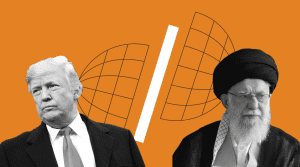
The confrontation between Iran, Israel, and the United States has been building since the Iranian Revolution of 1979. Since then, diplomatic relations have remained hostile, fueled by ideological differences, regional power struggles, and ongoing disputes over Iran’s nuclear ambitions.
Israel and the United States have long argued that Iran’s nuclear program could lead to the development of nuclear weapons. Iran has repeatedly denied these accusations, insisting its nuclear activities are strictly civilian.
Despite intermittent negotiations, distrust has continued to grow. After a brief war in 2025 targeting Iranian nuclear and military sites, Western officials claimed Iran resumed rebuilding missile capabilities. These developments intensified fears of future attacks across the region.
As diplomatic talks stalled earlier this year, military action replaced negotiations within hours, pushing tensions into open warfare.
Iran’s Retaliation Expands the Battlefield
Iran quickly responded to the strikes with widespread missile and drone attacks targeting Israeli positions and locations connected to US military operations across the Gulf region.
Countries hosting American bases, including Qatar, Bahrain, Jordan, Kuwait, and the United Arab Emirates, reported incoming strikes. In recent days, attacks have reportedly expanded beyond military objectives to include shipping routes, civilian infrastructure, and energy facilities.
This retaliation has significantly widened the conflict’s geographical scope. Several Gulf nations have condemned attacks affecting civilian areas, warning that continued escalation risks destabilizing the entire region.
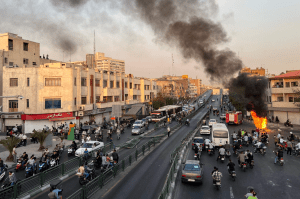
Meanwhile, internet access inside Iran has been heavily restricted, and national airspace closures have isolated the country from much of global travel.
Lebanon Opens a New Front in the War
Another critical development emerged as violence spread into Lebanon. Israeli forces launched strikes in Beirut and southern regions following rocket attacks attributed to Hezbollah, an armed group aligned with Iran.
Hezbollah announced its intention to retaliate following the assassination of Iran’s supreme leader. In response, Israeli officials confirmed plans to advance ground operations aimed at preventing further cross-border attacks.
The escalation has already displaced tens of thousands of civilians, raising fears of a prolonged multi-front conflict involving several regional actors.
Global Economic Shock and Rising Energy Prices
The impact of the war is no longer confined to military zones. Global markets have reacted sharply as instability threatens one of the world’s most important energy corridors.
Shipping disruptions in the Strait of Hormuz, responsible for roughly one fifth of global oil and gas transport, have forced energy companies to suspend operations. Major oil and gas facilities across the Gulf region have reported attacks or temporary shutdowns.
As a result, oil prices surged to levels not seen since mid-2024, triggering volatility in international stock markets. Analysts warn that prolonged disruption could lead to rising fuel costs, inflation pressure, and slower economic growth worldwide.
In short, the Iran war is already reshaping global economic stability.
Leadership Crisis Inside Iran
Following the death of Ayatollah Ali Khamenei, Iran has entered a sensitive political transition period. A temporary leadership council now governs the country while religious authorities prepare to appoint a new supreme leader.
Under Iran’s constitution, the Assembly of Experts must select the successor. However, ongoing military attacks complicate the process and raise uncertainty about internal stability.
At the same time, Iran’s military leadership has already begun restructuring command positions to maintain operational continuity during wartime.
Political uncertainty inside Iran could significantly influence how long the conflict continues.
Travel Chaos Across the Middle East
The war has caused one of the largest disruptions to international travel since the Covid-19 era. Multiple countries across the Middle East have closed their airspace, grounding thousands of flights.
Airlines have suspended or rerouted services, while governments worldwide are urging citizens to leave high-risk areas immediately. Travelers have been advised not to head to airports without confirmed flight updates due to rapidly changing security conditions.
Tourism, aviation, and regional business activity have all experienced immediate consequences as uncertainty continues.
How Long Could the War Last?
Perhaps the most pressing question remains the duration of the conflict.
US officials have suggested military operations could last between four and five weeks, although they acknowledge the capability for a much longer campaign if necessary. Israeli leadership has also indicated operations will continue until strategic objectives are achieved.
Military analysts warn that several factors will determine the timeline:
Regional Involvement
If additional armed groups or neighboring states become directly involved, the conflict could evolve into a prolonged regional war.
Political Transition in Iran
Leadership changes may either open diplomatic pathways or harden military resistance.
Energy and Economic Pressure
Global economic strain could push international powers toward ceasefire negotiations.
Diplomatic Intervention
International mediation efforts remain one of the few potential paths toward de-escalation.
At present, there are no clear signs of an immediate resolution.
Conclusion: A Conflict With Global Consequences
The US and Israel attack on Iran has rapidly transformed into a complex regional confrontation with worldwide implications. What began as targeted military strikes has expanded into retaliation across multiple countries, economic instability, and growing humanitarian concerns.
The coming weeks will be decisive. Leadership transitions, international diplomacy, and military developments will shape whether the conflict remains limited or escalates further.
For now, the Middle East stands at a critical crossroads, and the duration of the war remains uncertain. What is clear, however, is that its impact will extend far beyond the battlefield.








Comments are closed.