
A Case That Shook Spain and Beyond
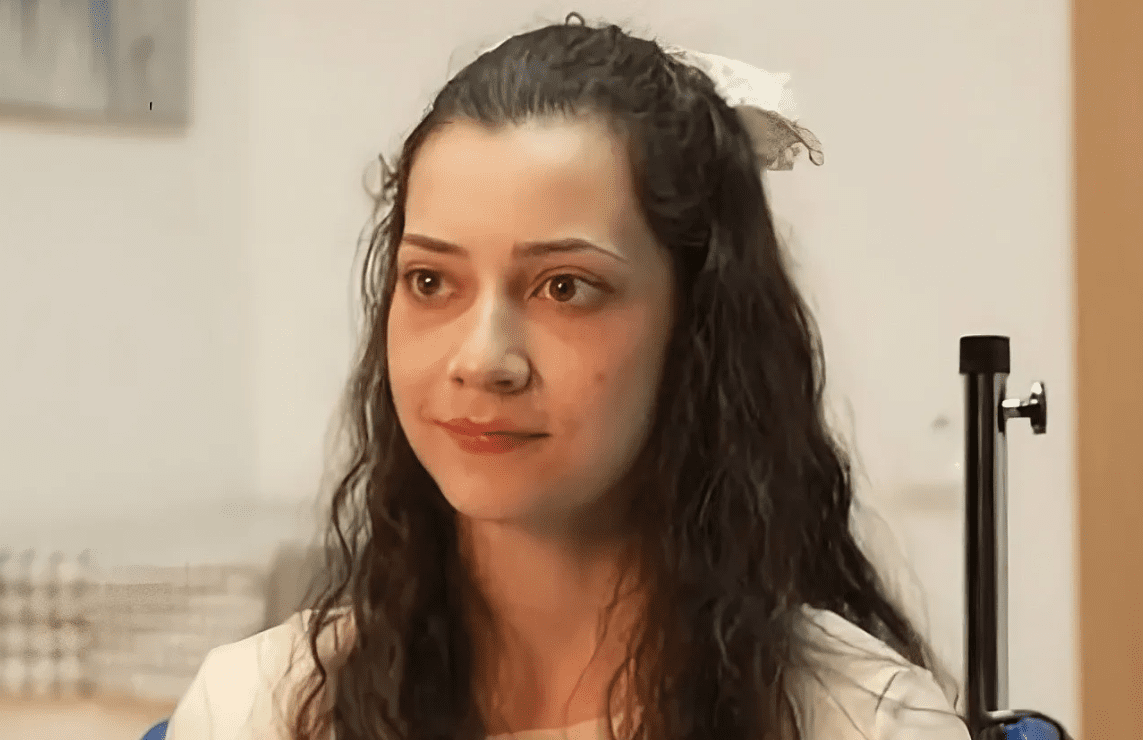
The tragic story of Noelia Castillo has ignited an emotional and political firestorm across Spain. Her death at just 25 years old has not only captured national attention but has also raised urgent questions about euthanasia laws, personal autonomy, and the role of the state in protecting vulnerable citizens.
After an exhausting legal battle that lasted more than a year, Castillo’s wish to end her life through euthanasia was finally granted. However, the delay and resistance she faced have left many asking a difficult question: did the system fail her?
The Long Road to a Final Decision
The Spanish woman euthanasia case explained
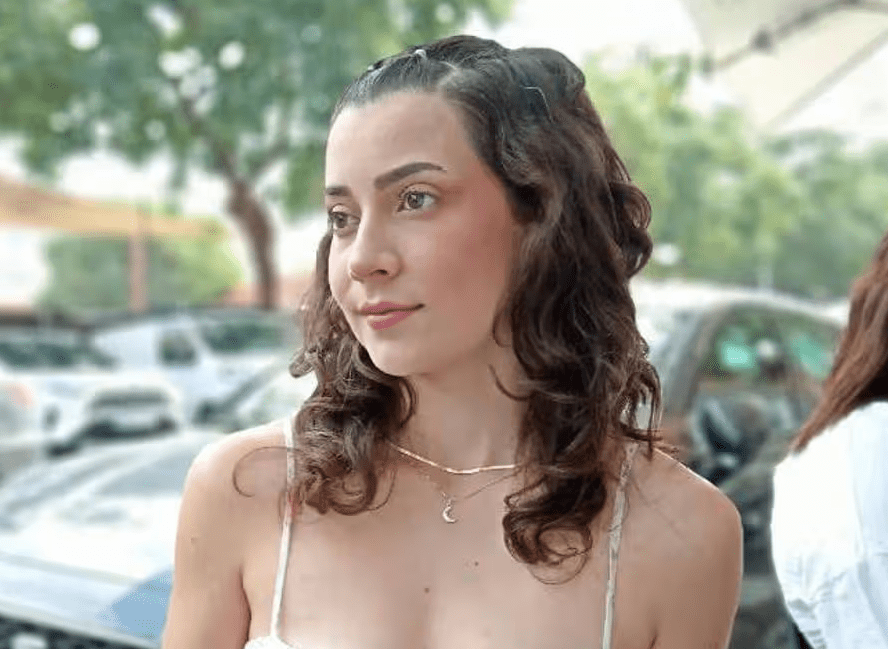
The Spanish woman euthanasia case began long before the legal proceedings. In 2022, Castillo suffered severe injuries after attempting to take her own life. As a result, she was left paraplegic, facing a future defined by chronic physical and emotional suffering.
By 2024, regional authorities in Catalonia approved her request for assisted dying under Spain’s euthanasia law. On paper, the process appeared clear and regulated. In reality, it became anything but.
Her father, opposing her decision, launched a legal challenge with the backing of the advocacy group Christian Lawyers. This intervention halted the procedure at the last moment, triggering a prolonged and highly public legal dispute.
For Castillo, the delay meant nearly two additional years of suffering.
A Courtroom Battle Over Life and Death
The case eventually reached the European Court of Human Rights, which played a decisive role. After reviewing the situation, the court ruled in favor of Castillo, affirming her right to choose euthanasia.
This ruling marked a turning point. It underscored the importance of individual autonomy in deeply personal medical decisions. Yet, it also exposed the complexity of balancing family objections with legal rights.
Despite the court’s decision, the emotional toll of the legal fight had already left its mark.
A Life Marked by Trauma and Struggle
To understand the broader context, it is essential to look beyond the legal framework.
Castillo’s life had been shaped by hardship from an early age. She spent much of her childhood in care institutions and experienced instability within her family. She also spoke openly about the long-term impact of trauma, including sexual assault and emotional distress.
In a final interview, she expressed a clear and unwavering desire to end her suffering peacefully. She emphasized that her decision was deeply personal and not influenced by external pressure.
Her words resonated across Spain, amplifying public empathy and intensifying the debate.
Public Reactions Divide the Nation
Critics say the system failed her
The Spanish woman euthanasia case has sharply divided public opinion.
Critics, including members of the conservative People’s Party, argue that the state failed to provide adequate care and support. They believe that more should have been done to improve her quality of life rather than facilitating her death.
Religious voices, including the Catholic Church, echoed similar concerns. They described her story as a reflection of institutional shortcomings and questioned whether euthanasia was the appropriate response.
From this perspective, the case represents a failure of social and healthcare systems to protect vulnerable individuals.
Others defend her right to choose
On the other side of the debate, many politicians, medical professionals, and commentators defended Castillo’s decision.
Supporters argue that her autonomy should have been respected from the beginning. They point out that multiple medical experts evaluated her case and confirmed her eligibility under the law.
Some lawmakers emphasized that delaying her request only prolonged her suffering unnecessarily. For them, the legal obstacles represented an infringement on her fundamental rights.
This divide highlights a broader societal question: who should have the final say in matters of life and death?
Understanding Spain’s Euthanasia Law
Spain legalized euthanasia in 2021, becoming one of a small group of European countries to do so. Alongside nations like Netherlands, Belgium, and Luxembourg, it established a legal framework for assisted dying.
However, the process is strictly regulated.
Key requirements include:
- The patient must be an adult
- They must suffer from a serious and incurable condition
- The request must be made voluntarily and without pressure
- Two separate written requests are required
- Multiple medical professionals must confirm eligibility
- A review commission must approve the case
In theory, these safeguards ensure ethical oversight. In practice, Castillo’s case shows how legal challenges can complicate and delay the process.
A Rare Case That Changed the Conversation
Interestingly, this was the first euthanasia case in Spain to escalate into a courtroom battle. According to official data, hundreds of requests are approved each year without such disputes.
This makes Castillo’s story particularly significant.
It has forced policymakers, legal experts, and the public to reconsider how the system handles contested cases. It also raises concerns about whether current laws adequately protect patients from prolonged legal uncertainty.
The Human Cost Behind the Headlines
Beyond the legal arguments and political debates lies a deeply human story.
Castillo’s final days were marked by both support and opposition. While her mother was present with her, others attempted to intervene until the very end. Even public figures reached out, urging her to reconsider.
Despite this, she remained firm in her decision.
Her story reflects the complexity of euthanasia debates. It is not just about laws or policies. It is about real people facing unimaginable choices.
Conclusion: A Case That Will Not Be Forgotten
The Spanish woman euthanasia case has left a lasting impact on Spain and beyond. It has exposed gaps in the system while also reaffirming the importance of personal autonomy.
As the debate continues, one thing is clear: this case will shape future discussions about euthanasia, patient rights, and state responsibility.
Ultimately, it forces society to confront one of the most difficult questions of all. How do we balance compassion, autonomy, and protection in matters of life and death?













Comments are closed.