
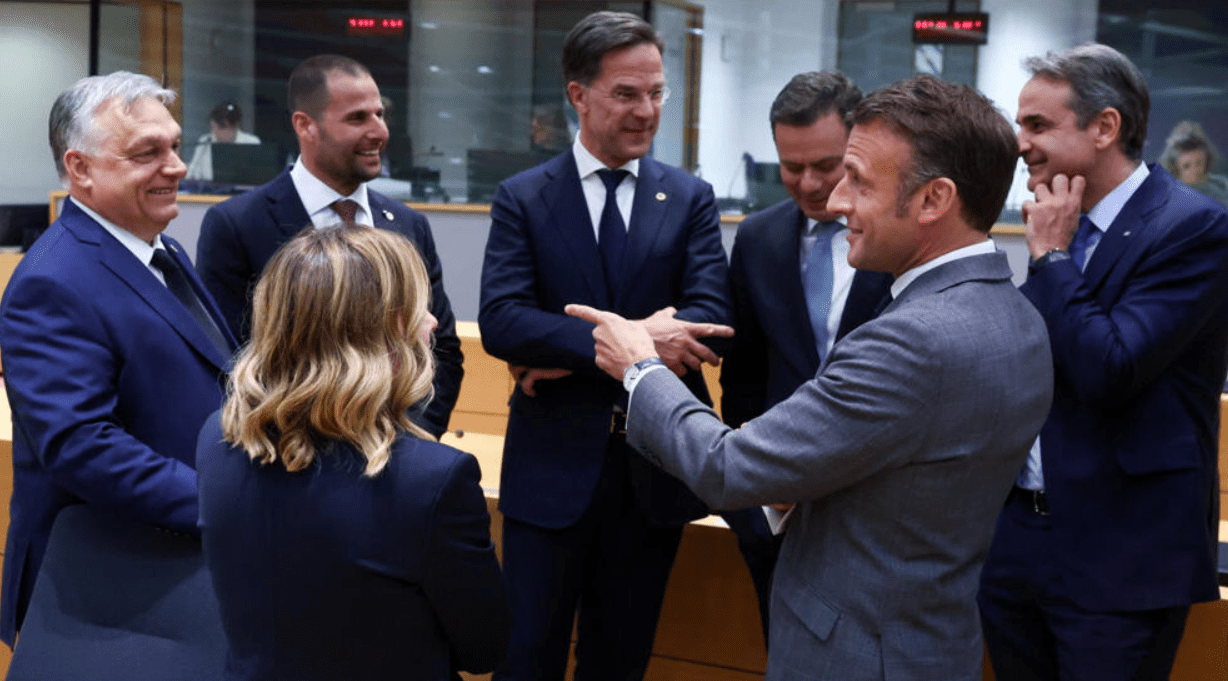
As tensions escalate in the Middle East following the US and Israeli strikes on Iran, Europe finds itself in an uncomfortable position. While the conflict carries serious security, economic, and diplomatic consequences for the continent, European leaders have struggled to present a unified response.
Despite weeks of warning signs and military build-up in the region, Europe’s reaction has appeared fragmented. Different national interests, political pressures, and historical experiences have exposed deep divisions at a moment when collective leadership is urgently needed.
So why has Europe struggled to speak as one on Iran, and what does this reveal about the future of European power?
Europe Caught Off Guard Despite Clear Warning Signs
European governments were not entirely surprised by the escalation. Intelligence assessments and diplomatic signals had pointed toward rising tensions between Washington, Israel, and Tehran for weeks.
However, once military action began, coordination quickly proved difficult.
European leaders immediately shifted focus toward protecting their citizens across the Middle East. Thousands of Europeans living or traveling in the region suddenly faced evacuation risks. At the same time, governments worried about the domestic economic fallout, particularly rising energy and food prices.
Gas markets reacted sharply, with prices climbing to levels not seen since Russia’s invasion of Ukraine in 2022. As a result, national governments prioritized internal stability rather than collective diplomacy.
Why Europe Cannot Agree on Iran Policy
Different National Interests Across the Continent
Europe is not a single foreign policy actor. Each country approaches international crises through its own political reality, economic exposure, and voter expectations.
France, Germany, and the United Kingdom managed to issue a joint warning to Iran, signaling readiness for defensive measures if attacks continued. Yet beyond that statement, unity quickly faded.
Some governments supported defensive cooperation with the United States. Others avoided direct military involvement. Meanwhile, several leaders carefully avoided questioning the legality of US and Israeli actions under international law.
This cautious positioning reflects a broader strategic dilemma.
European leaders must balance transatlantic relations with domestic political sensitivities, especially while maintaining cooperation with Washington on security matters closer to home.
The Trump Factor and Transatlantic Dependence
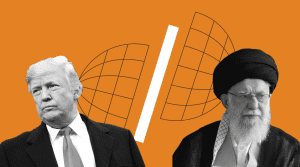
A major reason behind Europe’s cautious tone is the relationship with US President Donald Trump.
Many European governments fear alienating Washington at a time when American support remains essential for European security, particularly regarding the ongoing war in Ukraine.
Leaders worry that confrontation over Iran could divert US attention away from Europe’s own security challenges. Consequently, criticism of American military decisions has largely remained muted.
However, this diplomatic restraint raises uncomfortable questions about Europe’s commitment to a rules-based international order, a principle frequently emphasized by EU institutions.
Conflicting Messages From European Leadership
Europe’s internal divisions became especially visible through conflicting public statements.
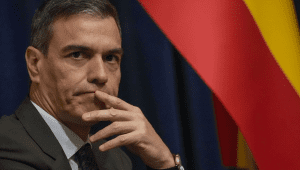
Spain’s Prime Minister Pedro Sánchez openly criticized military intervention lacking international legal justification, arguing that opposition to Iran’s political system does not automatically justify armed action.
At the same time, European Commission President Ursula von der Leyen suggested that political transition in Iran may be necessary, signaling a far stronger stance.
These contrasting positions highlighted a core problem. Europe often speaks through multiple institutional voices rather than a single strategic authority.
The result is confusion both internally and internationally.
A Turning Point for European Defense Strategy
The Iran crisis arrives during a broader transformation in global power politics.
Europe faces simultaneous pressure from an expansionist Russia, economic competition with China, and an increasingly unpredictable United States. This evolving environment has accelerated debates about European strategic autonomy.
French President Emmanuel Macron recently announced changes to France’s nuclear doctrine alongside plans to expand nuclear capabilities. His message was clear. Europe can no longer rely entirely on American protection.
Several European countries, including Sweden, Germany, and Poland, have already explored expanded nuclear security cooperation with France.
Yet ambition does not automatically translate into coordination.
The Problem of Military Fragmentation
One of Europe’s biggest weaknesses lies in defense organization.
While the United States operates roughly 30 major weapons systems, European countries collectively maintain nearly six times that number. This duplication makes procurement inefficient, expensive, and slow.
Although NATO attempts to coordinate defense spending among its members, participation remains voluntary. National governments often prioritize domestic defense industries over collective efficiency.
As a result, Europe struggles to transform increased defense spending into genuine strategic unity.
History Still Shapes Europe’s Foreign Policy Choices
Historical experience continues to influence how individual countries respond to military conflict.
Germany, for example, remains deeply cautious about overseas military engagement due to its twentieth-century history. Public opinion has traditionally favored restraint, even as Berlin increases defense spending and military aid commitments elsewhere.
Italy faces a different challenge. Prime Minister Giorgia Meloni must balance strong international alliances with domestic skepticism toward military involvement abroad. Many Italian voters remain wary of conflicts that could trigger economic consequences such as rising energy costs.
These national sensitivities make rapid consensus extremely difficult during fast-moving crises.
The Rise of Smaller European Coalitions
Because full EU unity often proves elusive, smaller alliances are increasingly shaping European security policy.
Ad-hoc coalitions have emerged around specific goals, from joint defense procurement projects to coordinated military support initiatives. These flexible partnerships allow willing nations to act quickly without waiting for unanimous agreement.
Increasingly, cooperation extends beyond Europe itself. Countries such as Canada, Japan, and South Korea now participate more frequently in Western defense coordination and military exercises.
This trend signals a shift away from traditional continental unity toward networks of like-minded partners.
Europe’s Strategic Identity at a Crossroads
The Iran conflict exposes a deeper question facing Europe today.
Can the continent truly function as a unified geopolitical power, or will national interests continue to dominate decision-making?
Europe’s ambition is clear. Leaders frequently call for stronger cooperation in defense and foreign policy. Yet crises repeatedly reveal structural limits to collective action.
In a world increasingly shaped by great power competition, hesitation carries risks. Without strategic coherence, Europe risks losing influence in global decision-making at precisely the moment when international stability is under strain.
Conclusion: Unity Remains Europe’s Greatest Challenge
Europe’s struggle to speak with one voice on Iran reflects more than diplomatic disagreement. It highlights longstanding tensions between national sovereignty and collective ambition.
Economic fears, political realities, historical memory, and dependence on the United States all shape how European leaders respond to conflict. Until these differences are reconciled, unified action will remain difficult.
As global crises multiply, Europe faces a defining test. The ability to coordinate strategy, defense, and diplomacy may ultimately determine whether it becomes a decisive global actor or continues reacting to events shaped elsewhere.







Comments are closed.