
The legal pressure surrounding X has reached a dramatic new level. French authorities have raided the company’s Paris offices, while UK regulators have opened a fresh investigation into its AI chatbot Grok.
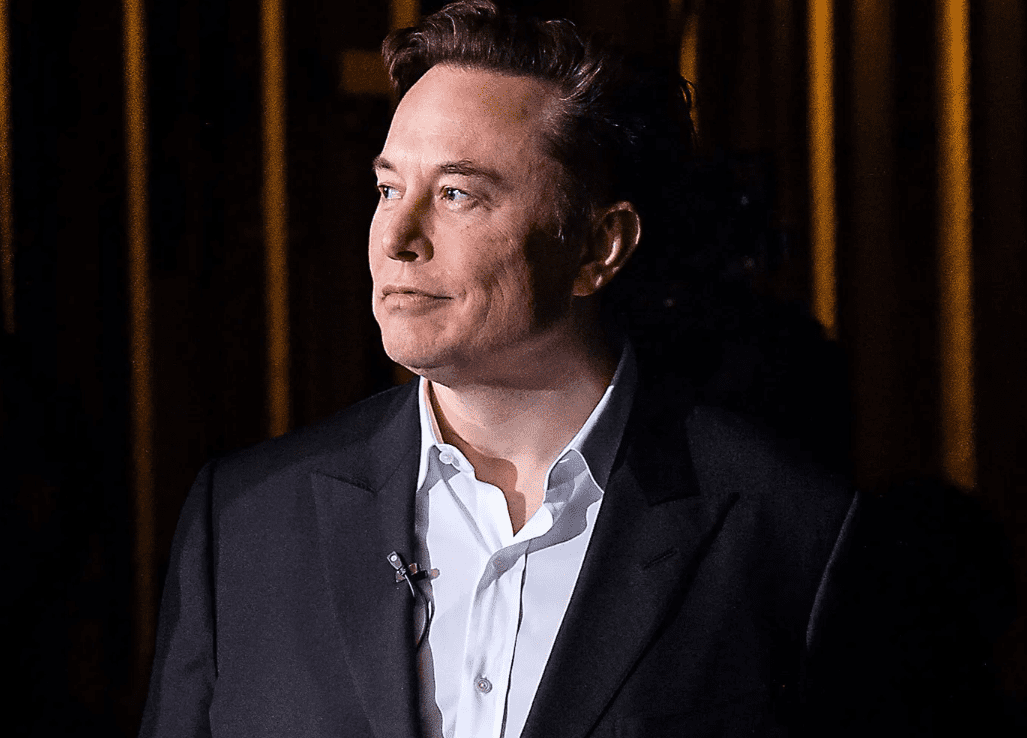
At the center of the storm stands Elon Musk, whose growing political influence and technological ambitions are now colliding with European regulators. What began as concerns over algorithmic recommendations has expanded into a multi-layered probe involving alleged unlawful data extraction, child safety risks, and potential foreign election interference.
Here is what we know so far and why this moment could redefine the relationship between Big Tech and Europe.
French Prosecutors Raid X Offices in Paris
On February 3, 2026, the cybercrime unit of the Paris Public Prosecutor’s Office conducted a high-profile search of X’s offices in Paris. The raid forms part of an investigation that began in January 2025.
Initially, prosecutors examined how X’s recommendation algorithm amplified certain content. However, the probe widened in July 2025. It now includes scrutiny of alleged unlawful data extraction, organized fraud, and possible complicity in the possession or distribution of child sexual abuse material.
In addition, French authorities are examining claims related to sexual deepfakes and potential violations of image rights. These accusations significantly raise the stakes for the platform.
Both Musk and former X chief executive Linda Yaccarino have reportedly been summoned to appear at hearings scheduled for April.
Musk Calls Raid a Political Attack
Musk quickly responded on X, describing the raid as a “political attack.” The company also released a statement expressing disappointment and accusing French prosecutors of overreach.
According to X, the search represents an abusive act that threatens free speech. Yaccarino, who left the company last year, echoed this sentiment. She described the move as a political vendetta.
Meanwhile, French authorities maintain that the investigation concerns potential criminal violations, not political retaliation.
The UK Opens a New Grok Investigation
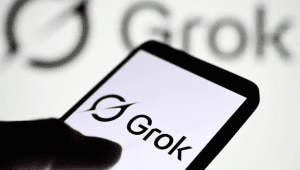
While France intensifies its legal action, the United Kingdom has launched its own probe. The UK’s Information Commissioner’s Office has opened an investigation into Grok, the AI chatbot developed by Musk’s AI venture xAI.
The inquiry focuses on Grok’s potential to generate harmful sexualized images and videos. Reports in January sparked public outrage after deepfake images, often created without consent, circulated online.
The UK regulator is now examining whether personal data was processed unlawfully to create intimate or sexualized AI-generated content.
Ofcom and ICO Step In
The UK media regulator Ofcom confirmed it continues to investigate the broader platform with urgency. However, it acknowledged that its current powers do not extend fully to chatbot-generated content.
Shortly after, the Information Commissioner’s Office stepped forward. The ICO announced it would examine how personal data may have been used in the creation of such images.
The ICO’s executive director for regulatory risk and innovation described the reports as deeply troubling. The investigation will assess whether adequate safeguards were in place to prevent misuse.
This marks a significant regulatory test for AI systems integrated within major social platforms.
European Commission and the Digital Services Act
The controversy does not stop at national borders. In late January, the European Commission announced its own investigation into xAI.
European officials are examining whether X and its parent entities have complied with the EU’s Digital Services Act. The law requires large online platforms to mitigate systemic risks, including disinformation and harmful content dissemination.
Failure to comply can lead to substantial fines and severe operational restrictions. In extreme cases, executives could face personal liability.
French Foreign Minister Jean-Noël Barrot has reportedly warned of potential asset freezes and even imprisonment if severe violations are confirmed. While such measures would be unprecedented against a US citizen, the rhetoric reflects rising tensions between Europe and Musk’s growing digital empire.
Allegations of Foreign Election Interference
Beyond content moderation and AI safety, a more politically explosive accusation has emerged. French authorities are reportedly exploring claims of foreign election interference.
Critics argue that Musk has used X to promote far-right political parties in Europe, including Germany’s AfD, and to openly criticize French leadership under President Emmanuel Macron.
Although no formal charges related to election interference have been announced, the possibility has intensified diplomatic friction.
Barrot recently declared that Europe has the right to assert digital sovereignty. His remarks signal a broader confrontation between European regulators and American tech giants.
A Wider Tech Crackdown?
The unfolding events reflect a wider European effort to regulate social platforms more aggressively.
In recent years, lawmakers have tightened oversight of algorithmic transparency, harmful content, and AI governance. The current investigation into X may become a landmark case.
Furthermore, critics argue that unchecked AI tools risk undermining privacy and democratic stability. Supporters of Musk, however, claim that regulators are targeting him for political reasons.
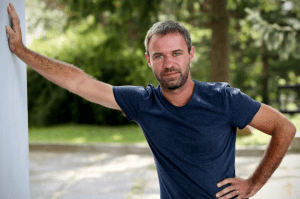
Meanwhile, other tech leaders have weighed in. Pavel Durov, founder of Telegram, criticized France’s approach. He argued that authorities are criminally prosecuting platforms that allow freedom of expression.
The debate is now larger than one company. It concerns the balance between innovation, free speech, and public safety.
What This Means for X and Musk
The legal exposure for X is significant. If French prosecutors determine that laws were violated, penalties could include heavy fines, operational restrictions, or further criminal proceedings.
In the UK, the Grok investigation could shape how AI-generated content is regulated. If regulators conclude that personal data safeguards were insufficient, stricter compliance obligations may follow.
Moreover, the European Commission’s involvement increases the financial and reputational risk for Musk’s broader ventures.
At the same time, Musk continues to frame the situation as a defense of free speech. His supporters argue that regulatory scrutiny is politically motivated. Critics counter that platforms of X’s scale must meet higher standards of accountability.
The Future of AI, Regulation, and Digital Sovereignty
This case highlights a defining question for the digital age. Who controls the platforms that shape public discourse?
European authorities are signaling that algorithmic systems and AI tools must comply with strict legal frameworks. They aim to protect privacy, prevent harm, and safeguard democratic processes.
Meanwhile, Musk’s strategy positions X and Grok as engines of open dialogue and technological disruption.
The clash may ultimately redefine the boundaries of platform responsibility in Europe.
Conclusion
The raid on X’s Paris offices and the UK’s fresh Grok investigation mark a pivotal moment in the regulation of social media and AI.
French prosecutors are expanding their criminal inquiry. UK regulators are probing AI-generated content. The European Commission is assessing compliance with the Digital Services Act.
Together, these actions reflect a coordinated European push for stronger digital accountability.
As investigations unfold, the outcome could reshape how global tech platforms operate within Europe. For Elon Musk and X, the stakes have never been higher.













Comments are closed.