
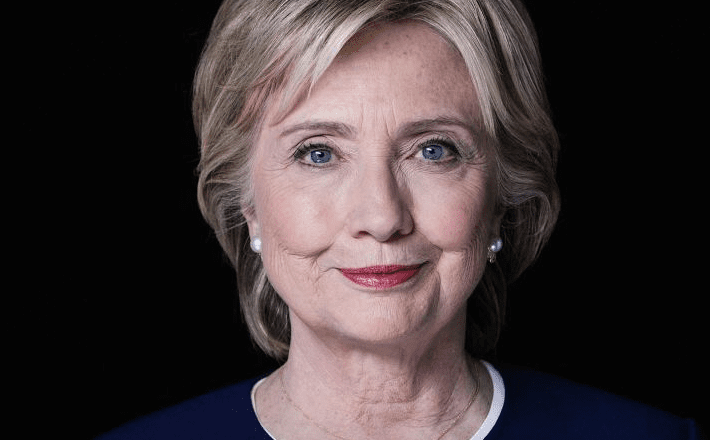
Former Secretary of State Hillary Clinton has made a startling allegation that the Trump administration is engaging in a “continuing cover-up” tied to the handling of sensitive documents connected to financier Jeffrey Epstein. The claim has reignited a firestorm of political debate about transparency, accountability, and how powerful figures are scrutinized in the United States.
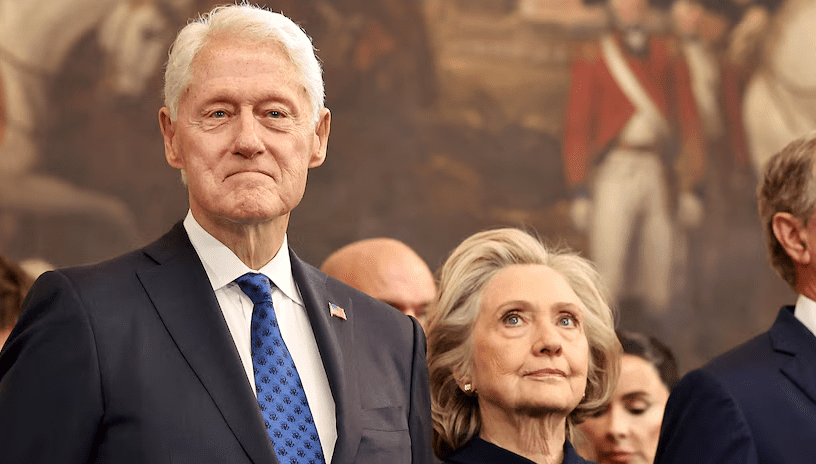
At the center of the controversy are millions of pages of files related to Epstein’s activities and connections, some of which were recently released, while others remain unreleased despite public demands. Clinton’s comments come as she and former President Bill Clinton prepare to give testimony in closed-door proceedings linked to a congressional investigation into Epstein’s network and influence.
A Renewed Spotlight on the Epstein File Controversy
Jeffrey Epstein, a financier with a sprawling circle of powerful associates, died in custody in 2019 while awaiting trial on sex trafficking charges. Since then, his name and connections have continued to spark controversy and public scrutiny, particularly over how records of his activities have been handled by government agencies.
Earlier this year, the Justice Department released a large batch of documents tied to Epstein’s case, fulfilling part of a congressional mandate. However, questions remain about why millions of pages — including internal memos, investigative files, and other material — have not been fully disclosed.
Clinton, speaking in a high-profile interview abroad, did not hold back in her assessment of the situation. Her accusation that the administration is slow-walking the release of these files has struck at the heart of debates over government transparency and public trust.
“We need full disclosure, not careful delays,” she said, pushing for greater openness and accountability from those now in power. Clinton argued that the American public deserves to see the entire record, particularly in a matter with such profound implications.
What Documents Have Been Released and What Remains Hidden?
To date, a substantial volume of documents connected to Epstein’s cases have been made public. These include witness statements, interviews, and materials from both law enforcement and judicial proceedings.
Yet lawmakers and activists argue that this release is incomplete. Internal files from investigative agencies, more detailed memoranda, and communications linked to high-profile individuals are among the material critics believe is still being withheld.
According to Clinton, failing to make all the files available fuels suspicion and undermines confidence in the justice system. She emphasized that transparency is essential — not just for closure, but for justice and public trust.
The administration has defended its actions, stating that the released files represent adherence to legal requirements while withholding material that could jeopardize ongoing investigations or contain sensitive personal information.
Closed-Door Testimonies and Political Ramifications
In the coming weeks, both Bill and Hillary Clinton are slated to appear before a congressional investigative panel focused on the Epstein files. Their testimony is expected to be conducted in closed-door sessions, a format that has drawn criticism from lawmakers, activists, and members of the public who argue that full public hearings would be more transparent.
Hillary Clinton has echoed that concern, calling for testimony to take place in public rather than behind closed doors. She has insisted that openness would help dispel unfounded rumors and reinforce confidence in the process.
The situation is unusual in modern American political history, not just for the subject matter but because it involves testimony from a former president and a former secretary of state.
Clinton’s push for more transparency comes against the backdrop of broader debates about how political figures are investigated and held accountable, especially when connected to wealthy and influential networks.
Bipartisan Reactions and Calls for Transparency
The response to Clinton’s accusation has been sharply divided along political lines. Supporters of greater transparency have praised her push for full disclosure, saying that withholding documents undermines democratic accountability.
At the same time, critics have seized on her comments as politically motivated, arguing that the attention given to the Epstein files has been used to distract from other pressing issues facing the nation.
In the House of Representatives, some lawmakers have demanded that the Justice Department release internal memos outlining decisions related to past prosecutions and charges involving Epstein and his associates. These lawmakers argue that full access to the records is necessary to understand how decisions were made and why certain individuals were or were not prosecuted.
The debate has highlighted a broader tension in American politics: balancing the public’s right to information with concerns over privacy, sensitive ongoing investigations, and national security.
Challenges in Releasing Sensitive Government Files
Government agencies have cited several reasons for not releasing all of the Epstein-related files. Among these are concerns about exposing personal medical information, endangering witness safety, and jeopardizing future investigations that may still be active.
Department officials have emphasized that the documents released so far represent compliance with the relevant transparency laws and that further material is withheld only for compelling legal and security reasons.
However, critics argue that agencies have too much discretion in deciding what counts as sensitive and that, in practice, this can be used to delay or limit transparency. The issue has become a flashpoint in discussions about reforming how federal agencies handle high-profile case files once they are no longer part of active prosecutions.
Public Trust and the Legacy of High-Profile Cases
The Epstein files controversy touches on broader concerns about public trust in government, especially in cases involving powerful individuals and complex legal networks. For many Americans, unanswered questions and incomplete transparency feed cynicism and fuel conspiracy theories, making it harder for institutions to maintain credibility.
Clinton’s call for full release of the files is rooted in a belief that sunlight — uninhibited access to information — is a vital form of accountability. She has stressed that providing the public with the entire set of documents, not just fragments, would help settle lingering doubts about the investigation and dispel misinformation.
Yet even with millions of pages available, the narrative remains unsettled for many. The combination of secrecy, political polarization, and the celebrity status of the individuals involved makes the issue deeply complex and emotionally charged.
The Broader Impact on American Political Discourse
The controversy is more than just a legal or procedural dispute. It has become a symbol of the ongoing struggle over government transparency, accountability, and trust in institutions. For some, the Epstein files represent a test of whether the political system can confront uncomfortable truths about power and influence. For others, the debate has become another arena in which political narratives are wielded for strategic effect.
Clinton has urged that the focus remain on the quest for truth and justice, rather than on partisan points. She has reiterated that her aim is not to score political victories but to ensure that the public — especially survivors of abuse — see that the full truth is acknowledged.
As the Clinton depositions approach, the country remains deeply divided on how to interpret both the Epstein files and the motivations behind calls for disclosure. Whether the complete set of documents is ever released remains uncertain, but the conversation about transparency and accountability in government shows no signs of quieting.
Conclusion
The controversy over the release of Jeffrey Epstein’s files has entered a new phase with astonishing allegations from a key political figure. Hillary Clinton’s claim of a “continuing cover-up” has propelled the debate into the national spotlight, raising questions about transparency, justice, and the public’s right to know.
As political pressure builds and testimony looms, the Epstein files will continue to be at the heart of discussions on how government handles the legacies of powerful figures and how it balances openness with legal and procedural constraints.
Whether this debate results in more disclosures or deeper polarization, one thing is clear: the fight over transparency and accountability in high-profile cases is far from over.













Comments are closed.