
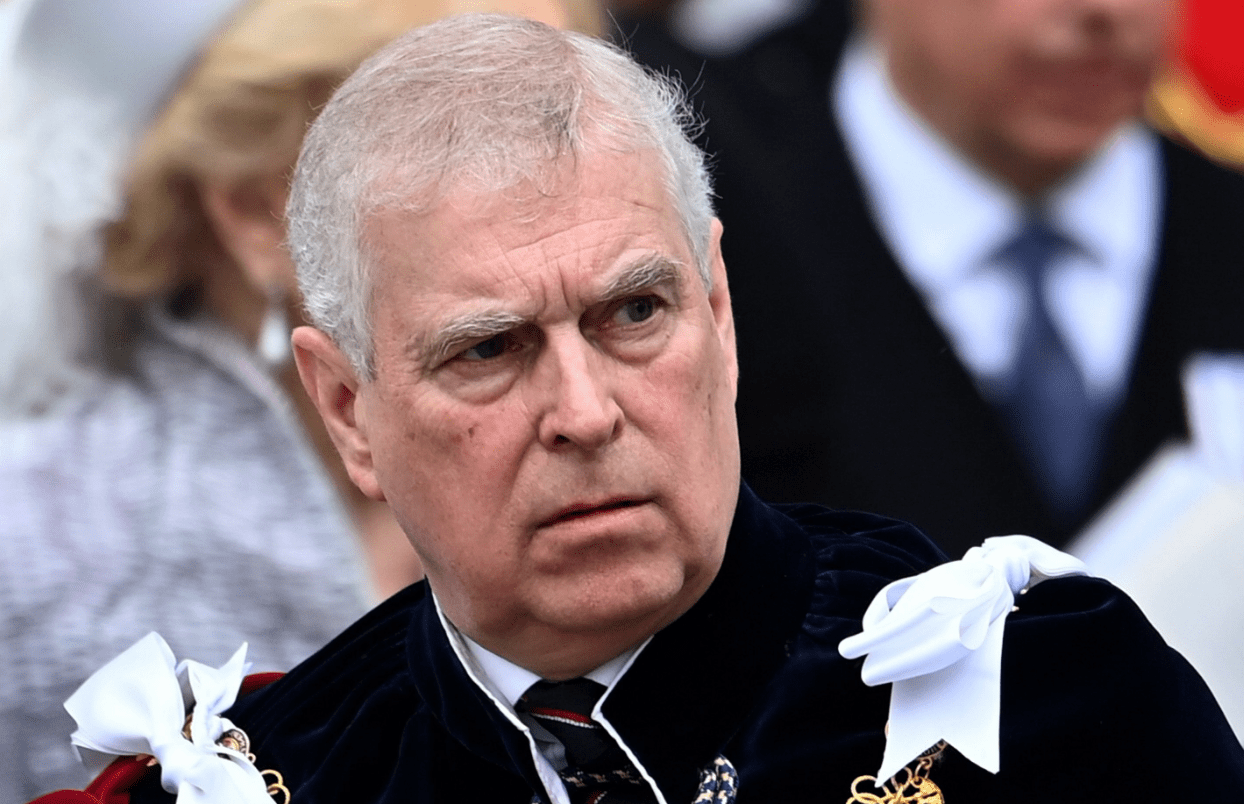
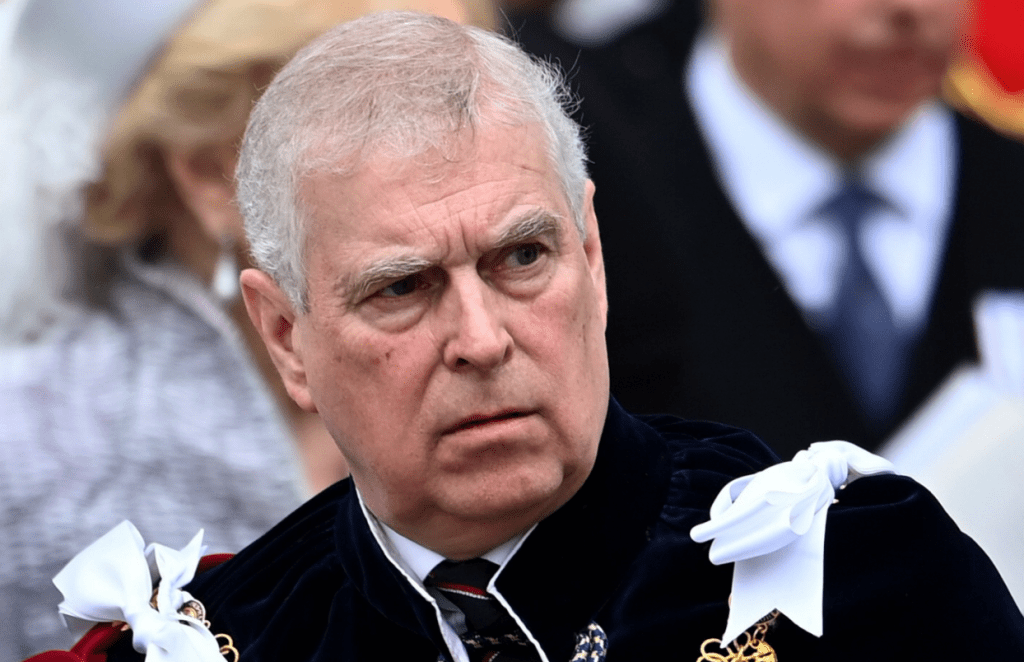
The arrest of Former Prince Andrew has reignited global scrutiny of the British royal family and its long shadow of controversy. Andrew Mountbatten-Windsor, the brother of King Charles III, was taken into custody by U.K. police on suspicion of misconduct in public office.
The development marks a dramatic escalation in a scandal that has followed him for years, largely tied to his association with convicted sex offender Jeffrey Epstein. While Andrew has consistently denied wrongdoing, the legal and reputational consequences of his past connections continue to unfold.
Arrest of Former Prince Andrew Sparks National Attention
Authorities confirmed that a man in his sixties from Norfolk was arrested on suspicion of misconduct in public office. Although police declined to officially name him, multiple British media outlets identified the individual as Andrew Mountbatten-Windsor.
According to investigators, the inquiry centers on whether Andrew may have shared confidential government information with Epstein during his tenure as the United Kingdom’s trade envoy. The allegations relate to the period when he represented British business interests abroad.
Police stated they recognize the high level of public interest in the case and pledged to provide updates when appropriate. For now, the investigation remains ongoing.
What Is Misconduct in Public Office?
Misconduct in public office is a serious criminal offense under U.K. law. It typically applies when a public official willfully neglects to perform duties or abuses their position in a way that amounts to a breach of public trust.
If prosecutors determine sufficient evidence exists, the legal consequences could be severe. However, at this stage, the arrest represents the beginning of a formal investigative process rather than a declaration of guilt.
The Epstein Connection and Lingering Fallout
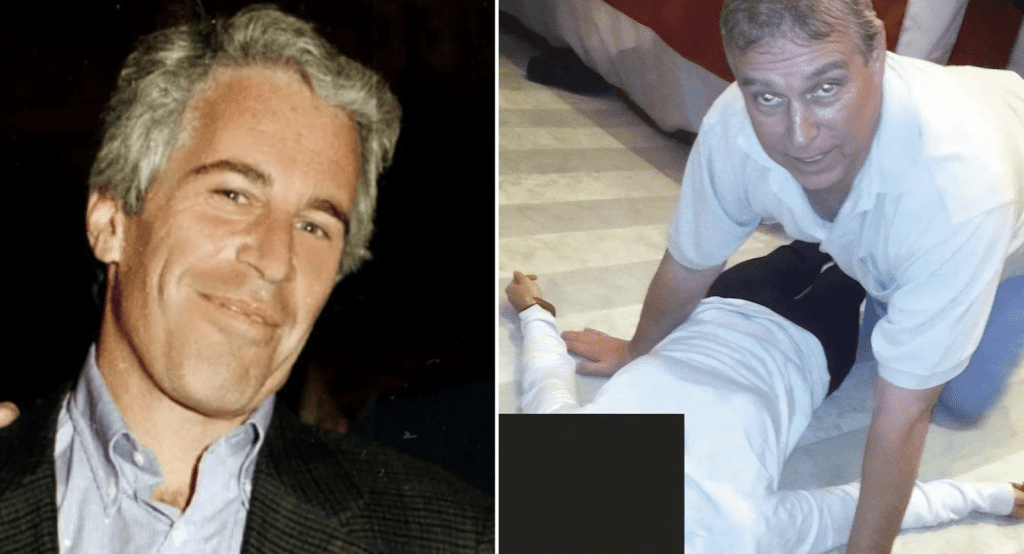
The arrest cannot be separated from Andrew’s long scrutinized relationship with Jeffrey Epstein. The disgraced financier, who died in 2019 while awaiting trial in the United States, maintained connections with prominent political, academic, and business figures around the world.
Andrew previously acknowledged his association with Epstein but has denied any criminal conduct. In 2022, he reached a civil settlement with one of Epstein’s accusers without admitting liability. That settlement significantly damaged his public standing.
The scandal intensified scrutiny of his role as a royal representative. Critics questioned whether his relationship with Epstein compromised his judgment while serving in official capacities.
Stripped of Titles and Royal Duties
The arrest follows a year after Andrew was formally stripped of his royal titles and patronages. The move effectively ended his role as a working member of the royal family.
His removal came amid sustained public pressure and institutional concerns about reputational harm to the monarchy. Since then, Andrew has lived largely out of public view, reportedly residing on royal property after being asked to vacate his previous residence at Windsor.
The decision to distance the monarchy from Andrew was widely viewed as an attempt to protect the institution’s credibility. Now, with this latest development, questions about accountability and transparency have resurfaced.
King Charles III Responds to the Arrest
In a public statement, King Charles III expressed deep concern over the situation. He emphasized that the matter must proceed through a full and proper legal process.
The monarch reiterated that the law must take its course and confirmed that authorities would receive full cooperation. The carefully worded message reflects the palace’s effort to balance institutional stability with public expectations for accountability.
Royal watchers note that the statement underscores a commitment to legal neutrality rather than personal defense.
Public Trust and the Monarchy’s Reputation
The arrest of Former Prince Andrew arrives at a sensitive time for the British monarchy. Over recent years, the institution has worked to modernize its image and reinforce public trust.
Scandals, however, test that effort. Public opinion surveys have shown fluctuating confidence in royal leadership, particularly when controversies intersect with questions of ethics and transparency.
For many observers, this case is not only about one individual. It also reflects broader concerns about how powerful institutions respond to allegations of misconduct.
Impact on International Perception
Because the British royal family holds symbolic influence beyond the United Kingdom, developments involving senior members often carry global implications.
Diplomatic relationships, charitable partnerships, and international engagements all rely on credibility. While Andrew has not served as a working royal for some time, renewed headlines may still affect perceptions abroad.
Governments and international organizations tend to monitor such cases closely, particularly when allegations involve potential breaches of official responsibility.
Legal Process and Next Steps
At present, the investigation remains active. Authorities have not announced formal charges. Under U.K. law, arrest allows police to question a suspect and gather evidence before determining whether to pursue prosecution.
Legal experts caution against premature conclusions. An arrest does not equate to conviction. The burden of proof lies with prosecutors, and any case would need to meet strict evidentiary standards.
Nevertheless, the symbolism of the arrest itself carries weight. Few senior figures with royal ties have faced this level of direct legal scrutiny.
A Turning Point for Accountability?
The arrest of Former Prince Andrew may represent a significant moment in the broader narrative of accountability for public figures. In recent years, institutions worldwide have faced pressure to confront allegations transparently, regardless of status or influence.
If the investigation proceeds to formal charges, the case could become one of the most consequential legal proceedings involving a modern member of the British royal family.
On the other hand, if evidence proves insufficient, Andrew may argue that years of public criticism have already imposed reputational punishment.
Conclusion
The arrest of Former Prince Andrew on suspicion of misconduct marks a pivotal chapter in an already turbulent saga linked to Jeffrey Epstein. While the legal process has only just begun, the implications extend far beyond one individual.
The case touches on public trust, institutional accountability, and the enduring impact of past associations. As authorities continue their investigation, the world will watch closely to see whether this moment reshapes both Andrew’s legacy and perceptions of the monarchy itself.
Only the legal system can determine the outcome. Until then, the principle remains clear: in a modern democracy, even those born into privilege are subject to the rule of law.




Comments are closed.