
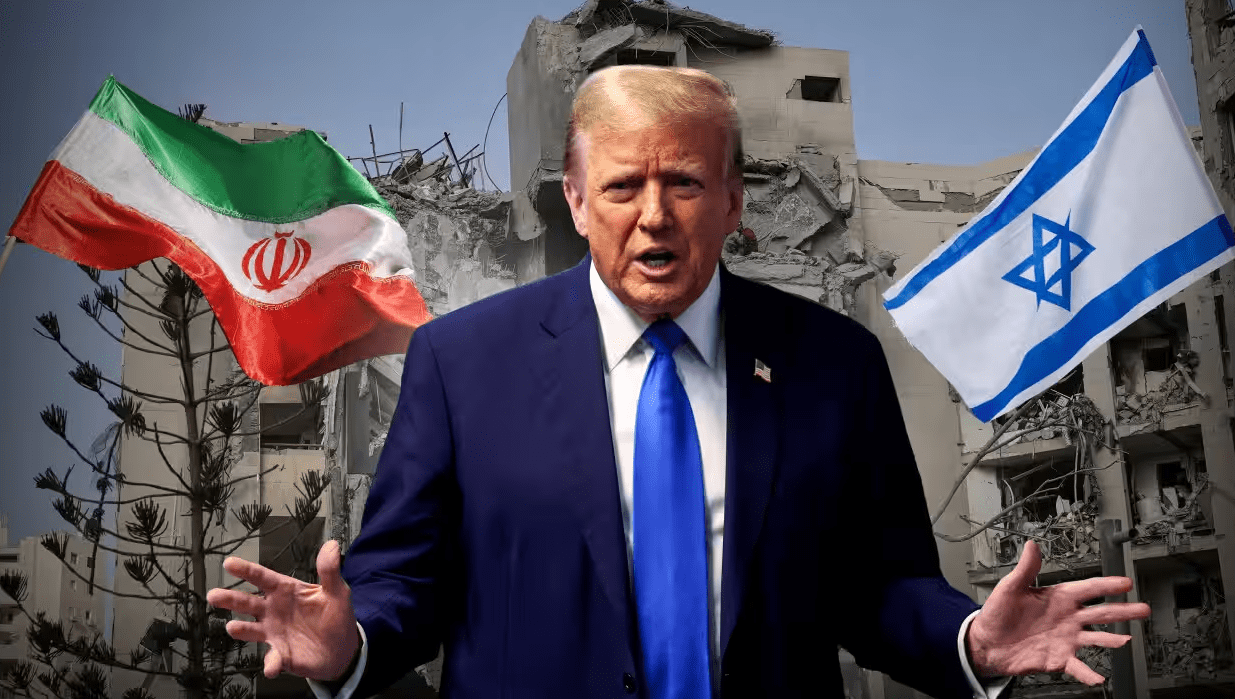
The Iran war live updates are unfolding at a breathtaking pace, with diplomacy and destruction happening side by side. While missiles strike cities and military sites across the region, former U.S. President Donald Trump claims negotiations to end the war are already underway.
At the same time, Iran is reshaping its leadership, escalating attacks, and signaling both resistance and possible willingness to negotiate. The situation is volatile, complex, and rapidly evolving, with global consequences.
Iran War Live Updates Reveal A Region on Edge
The latest Iran war live updates paint a stark picture of a region caught between escalation and fragile diplomacy. Explosions have been reported across multiple Iranian provinces, while retaliatory strikes have reached deep into Israeli territory.
In central Israel, rocket attacks caused injuries and structural damage in residential areas. Meanwhile, Israeli forces continue targeting key Iranian military infrastructure, including weapons production facilities and missile systems.
At the same time, Iran claims it has launched drone and missile strikes on strategic targets, including defense-related sites in northern Israel. These claims remain difficult to independently verify, adding to the fog of war.
Trump Claims Negotiations Are Already Underway
Amid the chaos, Trump has made bold statements suggesting that the conflict could soon end. According to him, negotiations with Iran are happening “right now,” and Tehran is eager to reach a deal.
He also claimed that Iran has effectively agreed to one of the United States’ primary demands, which is abandoning nuclear weapons ambitions. However, officials in Tehran have denied that any formal talks are taking place.
A War of Words
This contradiction highlights a growing divide in narratives. On one side, Washington signals progress and potential victory. On the other, Iran frames the situation as ongoing resistance against foreign aggression.
Experts remain skeptical. Many believe that without major concessions, especially regarding sanctions, a meaningful agreement remains unlikely.
Iran Strengthens Leadership Amid Escalation
In a significant political move, Iran has appointed Mohammad Bagher Zolghadr as the new secretary of its Supreme National Security Council.
Why This Appointment Matters
Zolghadr’s background is rooted in military leadership rather than diplomacy. His appointment suggests a shift toward a more security-focused strategy at the highest levels of decision-making.
This change could influence how Iran approaches both the battlefield and any potential negotiations. It also signals that military considerations may take precedence over diplomatic flexibility.
Rising Military Pressure Across the Region
The conflict is no longer limited to Iran and Israel. It is rapidly expanding across the Middle East, pulling in multiple actors and increasing the risk of a broader war.
Key Developments
- The United States is reportedly preparing to deploy thousands of additional troops to the region
- Iraq plans to summon both U.S. and Iranian representatives following deadly strikes on its territory
- Hezbollah and other regional groups continue launching attacks along Israel’s borders
In addition, Iran has indicated that non-hostile vessels may still pass through the Strait of Hormuz, a critical global oil route, but only under coordination. This move underscores the strategic leverage Iran holds over global energy markets.
Nuclear Concerns Trigger Global Alarm
One of the most alarming developments in the Iran war live updates involves a projectile strike near Iran’s Bushehr nuclear power plant.
Although officials report no damage or casualties, the incident has raised serious concerns about nuclear safety in an active war zone.
Why This Matters
Even minor damage to nuclear facilities can have catastrophic consequences, not just regionally but globally. International watchdogs have called for restraint, warning that continued escalation could lead to irreversible risks.
Civilian Impact Continues to Grow
Beyond military targets and political statements, civilians are bearing the brunt of the conflict.
Across Iran, daily life has been severely disrupted. Air strikes have hit major cities, including Tehran and Isfahan, while casualties continue to rise in multiple regions.
In Israel, rocket attacks have injured civilians and damaged homes, further intensifying public fear and uncertainty.
A War Without Pause
With both sides continuing their attacks, there are few signs of immediate relief for those caught in the crossfire. Schools, businesses, and infrastructure remain under constant threat.
Can Diplomacy Still Prevail
Despite the ongoing violence, diplomatic efforts have not completely collapsed. Regional leaders, including those from Turkey and Qatar, are actively discussing ways to reduce tensions and restore stability.
However, analysts warn that both sides need a clear incentive to step back. Iran is expected to demand economic relief, while the United States seeks security guarantees.
The Core Challenge
The biggest obstacle remains trust. With conflicting statements and ongoing military actions, building a foundation for negotiations is extremely difficult.
Still, history shows that even the most intense conflicts can shift toward diplomacy under the right conditions.
Global Impact of the Conflict
The Iran war live updates are not just a regional concern. The ripple effects are already being felt worldwide.
Economic Pressure
Energy prices are rising due to uncertainty around the Strait of Hormuz, through which a significant portion of the world’s oil supply passes.
Political Fallout
International alliances are being tested. Some countries have openly criticized the military actions, while others continue to support their strategic partners.
Public Opinion
In the United States, public support for the war appears to be declining, with growing concerns over economic costs and long-term consequences.
Conclusion
The latest Iran war live updates reveal a conflict at a critical turning point. While missiles continue to fly and tensions escalate, the possibility of negotiations remains uncertain but not impossible.
Trump’s claims of ongoing talks add another layer of complexity, especially as Iran denies any formal engagement. Meanwhile, leadership changes, military build-ups, and nuclear concerns continue to raise the stakes.
Ultimately, the path forward will depend on whether both sides choose escalation or compromise. For now, the world watches closely as one of the most dangerous conflicts in recent years continues to unfold.









Comments are closed.