
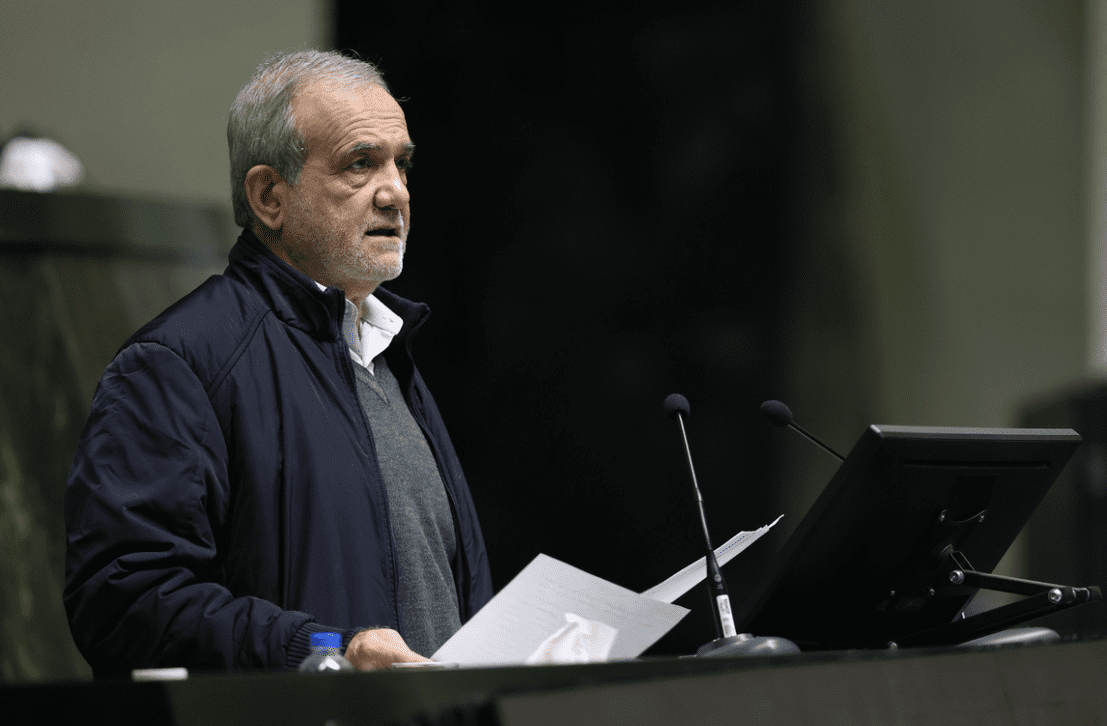
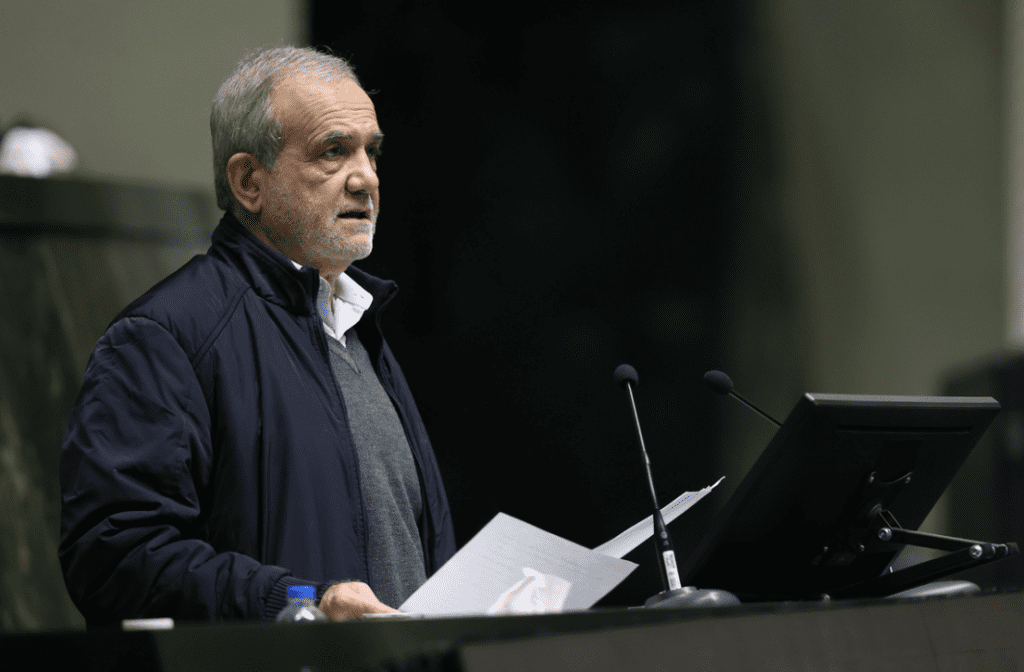
In a rare and unexpected move during an active regional conflict, Masoud Pezeshkian publicly apologized to neighboring countries following Iranian strikes that spilled across borders in the Middle East. The statement immediately triggered global debate. Analysts began asking a crucial question: why did Iran’s president apologize at such a tense moment.
Apologies between governments during wartime are extremely unusual. Most leaders use softer language such as “regret” or distance themselves from direct responsibility. Pezeshkian, however, chose a different approach. He openly acknowledged that neighboring countries had been targeted and said Iranian forces had been instructed to stop striking them unless attacks on Iran originated from their territory.
The apology came during a turbulent moment in the regional conflict involving Iran, Israel, and the United States, raising questions about whether Tehran is seeking to de escalate tensions or simply buying time in a rapidly shifting geopolitical crisis.
Why Did Iran’s President Apologize?
The answer to why Iran’s president apologized likely involves several overlapping factors. At the center of the issue is the fear that the conflict could spiral into a broader regional war.
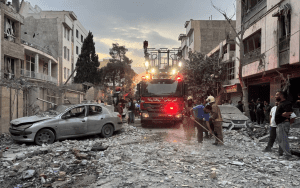
Recent military strikes by Israel and the United States targeted key Iranian positions and reportedly killed several senior commanders. These attacks disrupted Iran’s command structure and triggered a wave of retaliatory actions that extended beyond its borders.
According to Pezeshkian, some of these responses were carried out under emergency instructions issued after leadership networks were temporarily thrown into chaos.
“I deem it necessary to apologize to neighboring countries that were attacked,” he said during his address. “We do not intend to invade neighboring countries.”
By making this statement, Iran’s interim leadership may be attempting to reassure regional governments that Tehran does not want a wider war.
Preventing Regional Isolation
Another reason behind the apology relates to diplomatic isolation. Many countries in the Middle East host military bases used by Western forces. If Iran openly targets those countries, it risks alienating potential partners and expanding the coalition against it.
Countries such as Qatar and the United Arab Emirates have already reported intercepting missiles linked to the escalating conflict. If such incidents continue, Iran could face a united regional front.
Therefore, the apology may serve as a strategic signal that Tehran is trying to limit the conflict rather than widen it.
Power Struggles Inside Iran’s Leadership
Understanding why Iran’s president apologized also requires examining the political turmoil inside Iran itself.
Following recent strikes that reportedly killed several top officials, including Ali Khamenei, Iran’s political structure has shifted dramatically. Authority now rests with an interim leadership council.
In theory, this temporary arrangement gives President Pezeshkian greater influence than he previously had under the traditional system dominated by a single supreme leader.
However, the reality is far more complicated.
Control Over the Revolutionary Guards
Iran’s powerful military and security organizations, especially the Islamic Revolutionary Guard Corps, operate with significant autonomy.
Even if the president calls for restraint, commanders on the ground may continue aggressive operations if they believe confrontation strengthens Iran’s strategic position.
Reports that missiles were intercepted in neighboring states after Pezeshkian’s apology raise questions about whether the government has full control over its military forces.
If strikes continue, it may indicate communication breakdowns or resistance from hardline factions.
Hardliners Push Back Against the Apology
Not everyone inside Iran supports the conciliatory tone.
Several hardline voices within the political and military establishment have criticized the president’s remarks. They argue that apologizing during a conflict signals weakness.
For these factions, regional pressure remains a key deterrent against Israeli and American military power. In their view, projecting strength is essential during national crises.
This internal debate highlights a broader power struggle over Iran’s future direction.
Many senior hardline leaders have recently disappeared from the political scene due to the conflict. Yet numerous mid level commanders and officials remain deeply committed to a confrontational strategy.
The apology therefore exposes a growing divide between pragmatists seeking stability and hardliners demanding continued resistance.
How the United States Interprets the Apology
Outside Iran, the reaction has been equally political.
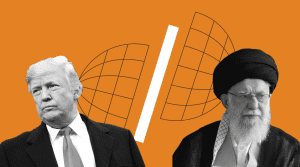
Donald Trump quickly responded by claiming that Iran had effectively “apologized and surrendered” to its neighbors. He argued that the move proved military pressure from the United States and Israel was forcing Tehran to back down.
However, many analysts view that interpretation as overly simplistic.
Historically, unconditional surrender rarely occurs through air campaigns alone. Even intense bombing campaigns rarely force governments to capitulate without ground operations or major internal collapse.
Still, framing the apology as a victory may serve political purposes in Washington. It allows leaders to claim progress without formally abandoning demands that Iran surrender completely.
A Strategic Message to Neighboring Countries
For Tehran, the apology appears aimed primarily at regional audiences.
Neighboring states are watching carefully to see whether the statement leads to real changes on the ground.
So far, many governments have responded cautiously. Few have publicly commented on the apology, choosing instead to monitor developments.
Israel may interpret the message differently. Israeli leaders have long viewed the conflict as an opportunity to weaken what they see as Iran’s long term strategic threat.
From that perspective, diplomatic signals may carry less weight than military outcomes.
Could the Apology Shape Iran’s Future Leadership?
Another important factor behind the apology could be domestic political positioning.
Iran’s leadership structure is currently in flux. Various political figures, religious authorities, and military commanders are maneuvering for influence in what could become a decisive transition period.
Some observers believe Pezeshkian may be positioning himself as a pragmatic leader capable of negotiating with international powers.
By apologizing while still insisting Iran will defend itself, he attempted to strike a delicate balance between openness and defiance.
This approach could appeal to governments seeking a diplomatic path forward.
However, it could also weaken his standing among hardliners who believe compromise invites further pressure.
What Happens Next?
The immediate test will occur outside Iran’s borders.
If missile strikes against neighboring countries stop, Pezeshkian’s apology may be interpreted as a genuine attempt to calm the region.
If attacks continue, the statement could be seen as symbolic rather than strategic.
The broader conflict involving Iran, Israel, and the United States remains highly volatile. Internal power struggles within Tehran add another layer of unpredictability.
Ultimately, the question of why Iran’s president apologized may not have a single answer.
The move could represent a genuine attempt to reduce tensions. It could be a tactical effort to buy time during political upheaval. Or it could signal a shift in Iran’s internal leadership battle.
In a conflict shaped by both military confrontation and political maneuvering, the apology may reflect all three dynamics at once.





Comments are closed.