
A Fragile Truce Shattered Within Hours
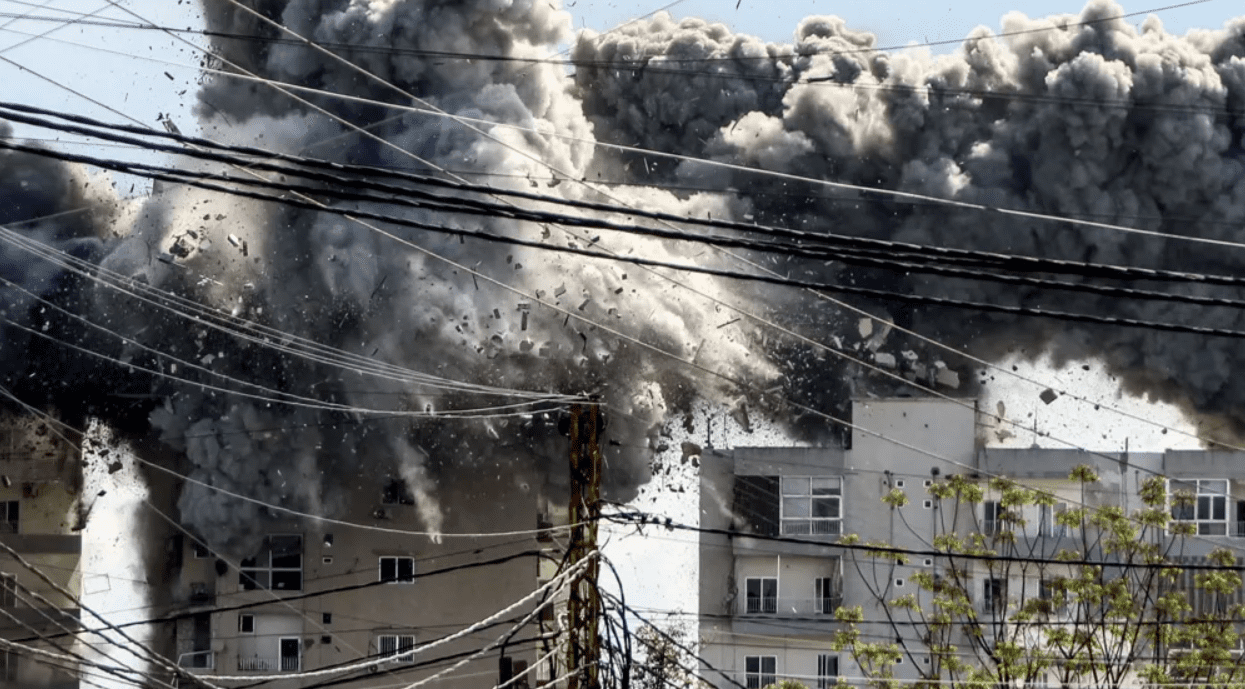
Just hours after a widely publicized ceasefire between the United States and Iran, a new wave of violence erupted in the Middle East. Israeli air strikes targeted southern Lebanon, sending a clear and immediate message that the agreement does not extend to all fronts of the conflict.
This rapid escalation highlights a critical reality. While global attention focused on easing tensions between major powers, regional dynamics continue to operate on a different track. As a result, hopes for broader peace now appear increasingly uncertain.
Why the US Iran Ceasefire Does Not Cover Lebanon
The Limits of the US Iran Ceasefire
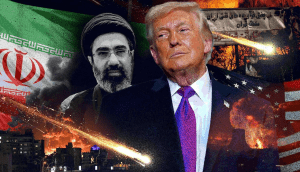
The US Iran ceasefire was designed to pause direct confrontation between Washington and Tehran. However, it did not include Iran-backed groups such as Hezbollah, which remains deeply involved in ongoing hostilities with Israel.
Israel has made its position clear. Military operations in Lebanon will continue regardless of diplomatic developments elsewhere. This distinction underscores the fragmented nature of Middle Eastern conflicts, where multiple actors pursue overlapping but independent agendas.
Israel’s Strategic Objectives in Southern Lebanon
Israeli forces have intensified both air and ground operations in key المناطق including Tyre and Nabatieh. The primary goal is to weaken Hezbollah’s military infrastructure and push its fighters away from the border.
Officials have also emphasized the creation of a so-called security buffer zone. This strategy aims to reduce the immediate threat to northern Israeli communities. However, it raises concerns about prolonged occupation and long-term instability in southern Lebanon.
A Deepening Humanitarian Crisis
Mass Displacement and Civilian Impact
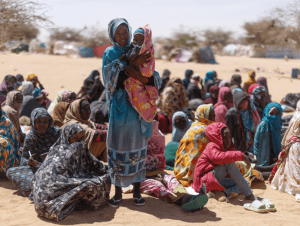
The ongoing conflict has triggered a severe humanitarian emergency. More than one million people have been displaced across Lebanon, representing a significant portion of the population.
Entire communities have been forced to flee their homes, particularly in the south and in مناطق heavily influenced by Hezbollah. As a result, public infrastructure is under immense strain.
Schools have turned into shelters, while many families now live in temporary conditions. Some sleep in cars or improvised tents, facing uncertain futures and limited access to essential services.
Rising Tensions Within Lebanon
The influx of displaced المواطنين into other regions has increased sectarian tensions. Many communities fear that hosting displaced families could make them potential targets for further attacks.
At the same time, frustration is growing داخل لبنان. Critics argue that Hezbollah’s actions have dragged the country into a conflict that serves external interests more than national stability. Still, the group maintains strong support among segments of the population.
Hezbollah’s Role and Resilience
Military Capabilities Defy Expectations
Observers have expressed surprise at Hezbollah’s continued military strength. Despite previous assumptions that the group had been weakened, it has demonstrated the ability to launch rockets and drones into northern Israel.
Moreover, Hezbollah fighters have engaged Israeli troops on the ground, signaling a level of resilience that complicates Israel’s military objectives.
Political Influence and Internal Debate
Hezbollah’s influence extends beyond the battlefield. It remains a powerful political and social force within Lebanon, particularly among Shia communities.
However, the current conflict has intensified internal debates about the group’s role. While supporters frame the الحرب as resistance, critics see it as a dangerous alignment with Iranian interests.
Government Response and Diplomatic Openings
Lebanon’s Unprecedented Offer
In a surprising move, the Lebanese government has expressed willingness to engage in direct negotiations with Israel. This marks a historic shift, as the two countries do not maintain formal diplomatic relations.
The proposal reflects growing urgency within Lebanon to find a path toward de-escalation. Yet, Israel has not responded to this overture, leaving the initiative in limbo.
Challenges to Disarming Hezbollah
Efforts to address Hezbollah’s weapons have faced significant obstacles. Although the government previously outlined a plan to disarm the group, progress has been minimal.
Leaders have warned that using force could trigger internal conflict. Therefore, any solution will likely require careful negotiation and broad political consensus, both of which remain difficult to achieve.
Regional Implications of Continued Conflict
A Multi-Front Crisis
The latest strikes illustrate how the Middle East conflict operates across multiple interconnected fronts. Even as one محور sees temporary calm, another can quickly ignite.
This complexity makes comprehensive peace agreements extremely challenging. Each actor, from nation-states to armed groups, has distinct goals that do not always align.
Global Reactions and Strategic Concerns
The continuation of violence in Lebanon has raised concerns among international observers. Many fear that the conflict could expand further, drawing in additional regional and global powers.
At the same time, the situation underscores the limitations of isolated diplomatic efforts. Without a broader framework that addresses all active الأطراف, ceasefires risk becoming temporary pauses rather than lasting solutions.
What Comes Next for the Region
The coming weeks will be critical. The US Iran ceasefire may still open the door for wider negotiations, but only if it can be expanded to include other конфликт zones.
For Lebanon, the stakes are particularly high. Continued military operations threaten further разрушение, displacement, and political instability.
Meanwhile, Israel remains focused on its security objectives, while Hezbollah shows no sign of retreat. This combination creates a volatile environment with few easy answers.
Conclusion: A Ceasefire in Name Only
The recent ceasefire between the US and Iran offered a brief moment of hope. However, the continuation of Israeli strikes in Lebanon reveals a more complex and troubling reality.
Peace in the Middle East cannot be achieved through isolated agreements. Instead, it requires a comprehensive approach that addresses the full spectrum of conflicts and actors involved.
Until then, the region remains caught in a cycle of escalation and temporary राहत, where ceasefires pause the الحرب but fail to end it.









Comments are closed.