
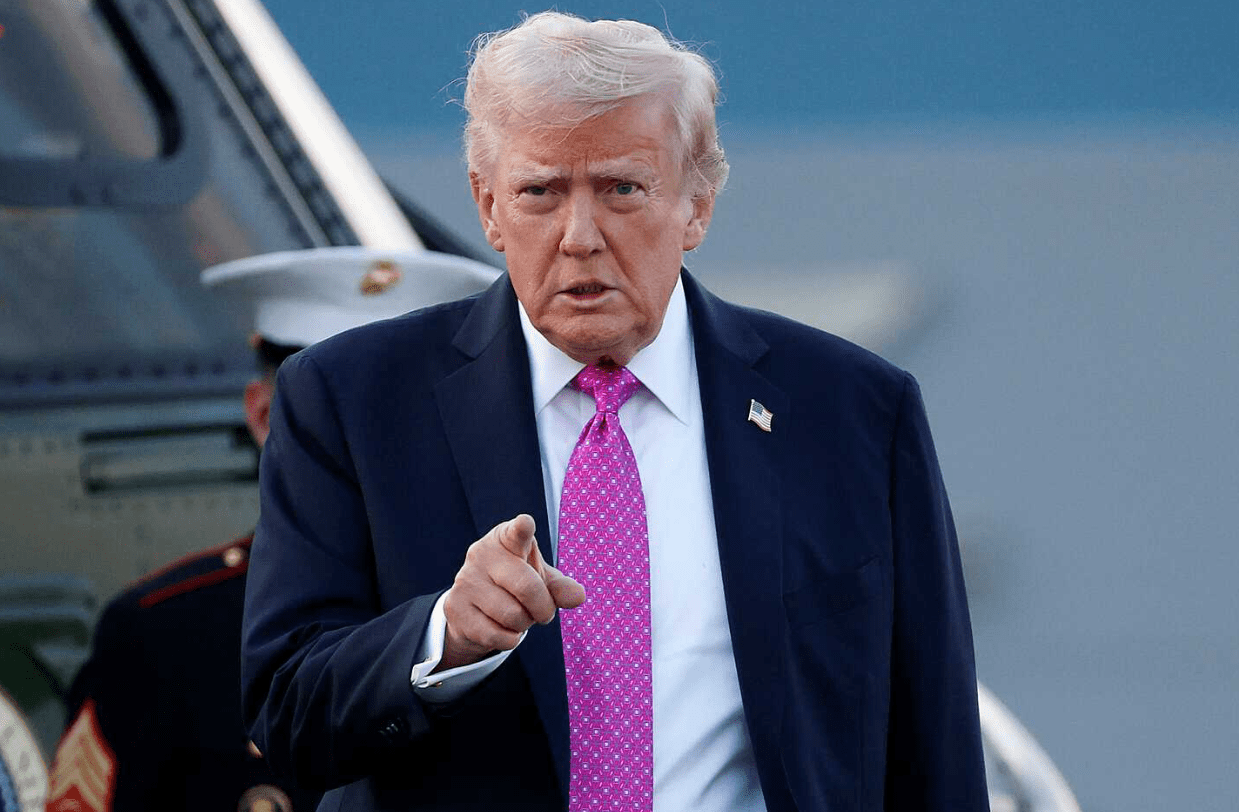
President Donald Trump announced that the United States will assume temporary administrative control of Venezuela following a dramatic military operation that resulted in the capture of Venezuelan President Nicolás Maduro and First Lady Cilia Flores. The statement marks a historic escalation in U.S.–Venezuela relations and has triggered widespread international reaction.
Speaking at a press conference on January 3, 2026, Trump confirmed that U.S. forces carried out coordinated strikes in Caracas during the early hours of Saturday morning. According to the president, Maduro and Flores were taken into U.S. custody and removed from the country shortly thereafter.
“The United States will run the country until such time as we can do a safe, proper, and orderly transition,” Trump said, emphasizing that the intervention is intended to stabilize Venezuela and facilitate a change in governance.
Details of the Military Operation
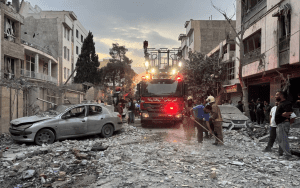
The operation reportedly involved elite U.S. military units and was described by American officials as highly targeted. Explosions were heard across parts of Caracas, with visible damage reported near military and government infrastructure. Trump praised the execution of the mission, calling it “precise and necessary.”
The president stated that the U.S. will oversee Venezuela’s administration temporarily, citing the need to restore order and prevent further instability. However, no specific timeline or governance framework for the transition has yet been announced.
Economic and Strategic Implications
Trump also referenced Venezuela’s vast oil reserves, suggesting that American involvement could help rehabilitate the country’s collapsed energy sector and broader economy. He indicated that U.S. companies may play a role in rebuilding infrastructure and restoring economic growth.
Details on how the U.S. would manage Venezuela’s public institutions, currency, or security apparatus remain unclear, and officials have yet to outline whether international partners will be involved in the transition process.
Legal Context
Maduro has long faced U.S. criminal indictments related to narcotics trafficking and corruption. Trump confirmed that Maduro and Flores are expected to face prosecution in U.S. courts. The legality of the military action, including questions of congressional authorization and international law, has already become a subject of debate among lawmakers and legal experts.
International Reaction
Global response to the announcement has been swift and divided. Some governments have condemned the operation as a violation of national sovereignty, while others—particularly critics of Maduro’s rule—have expressed cautious optimism about the possibility of political change in Venezuela.
Regional leaders and international organizations are monitoring developments closely, warning that the situation could have significant geopolitical consequences throughout Latin America.
An Uncertain Future for Venezuela
Under Venezuelan law, Vice President Delcy Rodríguez would typically assume leadership in the event of Maduro’s removal. However, with the country now under U.S. oversight, the political future of Venezuela remains uncertain.
Trump’s declaration that the United States will temporarily govern Venezuela represents an unprecedented moment in modern U.S. foreign policy, raising critical questions about sovereignty, international norms, and the long-term implications of direct intervention in the region.





Comments are closed.