
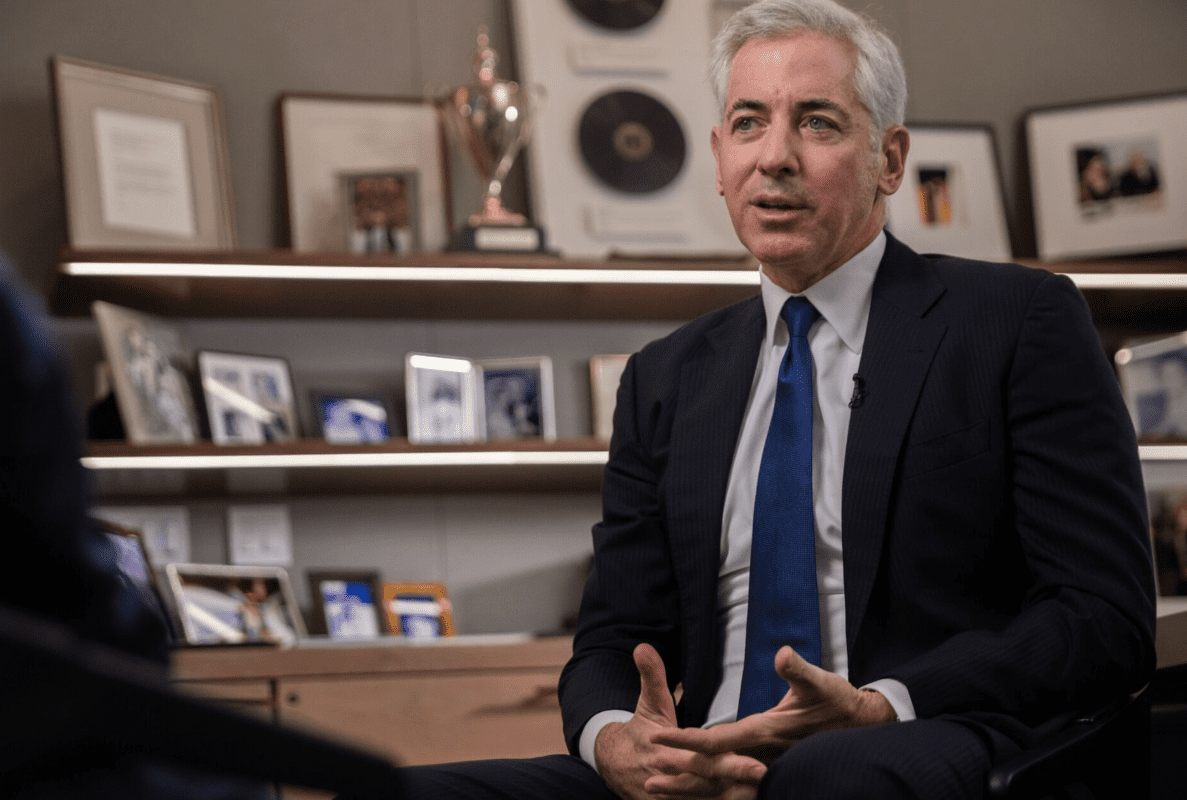
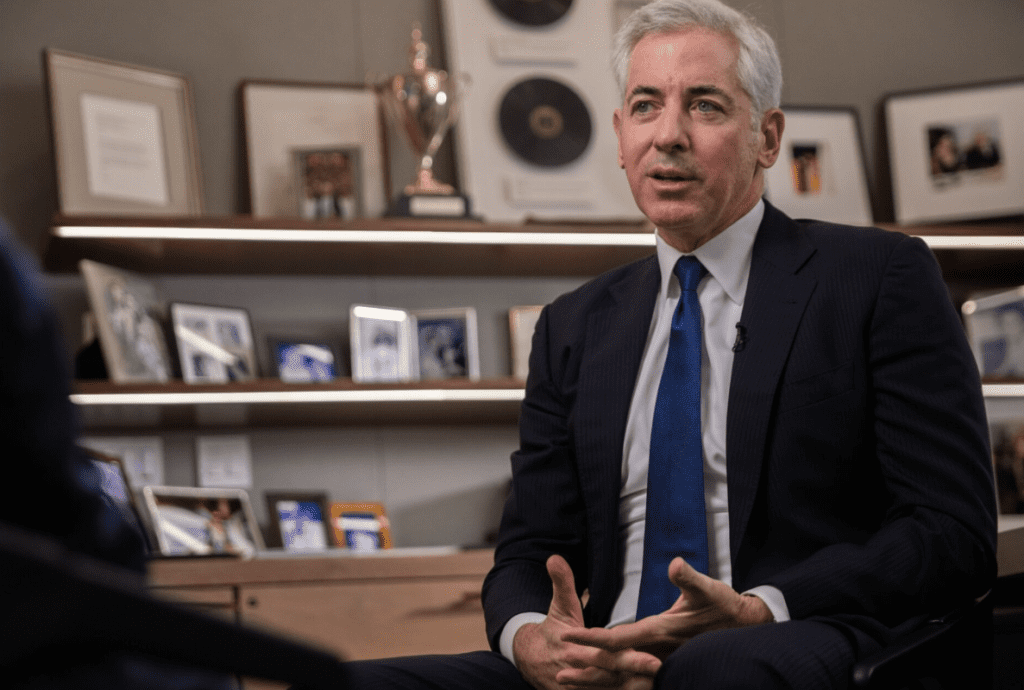
The Bill Ackman ICE donation has ignited fierce debate across the United States. At the center of the controversy is a fatal shooting involving an Immigration and Customs Enforcement agent and an unarmed mother of three. When one of the world’s richest financiers publicly confirmed a five figure donation to support the agent involved, the reaction was swift and deeply divided.
As protests spread and political leaders weighed in, the case became more than a single tragedy. Instead, it turned into a flashpoint for larger questions about policing, protest, accountability, and the role of billionaire influence in public discourse.
A Fatal Encounter That Shook the Nation
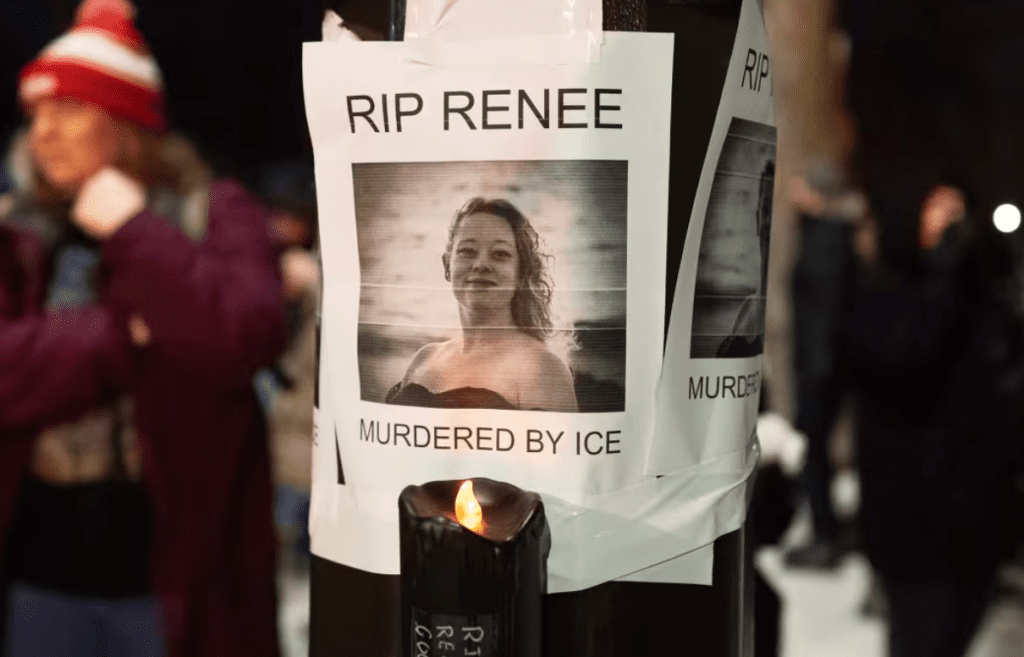
On January 7, Renee Nicole Good, a 37 year old mother of three, was shot and killed during an ICE operation in Minneapolis, Minnesota. The shooting occurred amid immigration raids in her neighborhood, an environment already charged with fear and tension.
ICE agent Jonathan Ross fired the fatal shot. Officials later stated that Good attempted to use her vehicle as a weapon and posed an immediate threat to officers on the scene. According to federal authorities, Ross acted in line with his training and used what they described as the minimum force necessary.
However, witnesses and community members quickly challenged that narrative. Many emphasized that Good was unarmed and questioned whether lethal force was justified. As a result, her death sparked mass protests, candlelight vigils, and renewed calls for oversight of ICE operations nationwide.
Government Response and Political Fallout
The response from political leaders only intensified the public reaction. The Department of Homeland Security defended Ross, stressing that agent safety must remain a priority during volatile enforcement actions.
Meanwhile, former President Donald Trump labeled Renee Good a domestic agitator, a remark that drew sharp criticism from civil rights groups. Vice President JD Vance added further fuel by stating that Ross would have absolute immunity from criminal charges.
These statements widened the divide. For supporters of ICE, the comments reinforced the dangers officers face daily. For critics, they symbolized a troubling lack of accountability when civilians lose their lives during enforcement actions.
The GoFundMe That Changed the Conversation
Within days of the shooting, a GoFundMe campaign was launched to support Jonathan Ross, described by organizers as a military veteran facing intense public scrutiny. The fundraiser quickly gained traction, eventually approaching its $550,000 goal.
Then came the revelation that transformed the fundraiser into a national headline. Billionaire hedge fund manager Bill Ackman confirmed that he was the top donor, contributing $10,000 to the campaign. The Bill Ackman ICE donation instantly became a lightning rod on social media.
Speculation had swirled online about the identity behind the large contribution. When Ackman acknowledged the donation publicly, reactions ranged from praise to outrage.
Bill Ackman Explains His Decision
In a post shared on X, Ackman addressed the controversy directly. He emphasized his belief in the legal principle of innocent until proven guilty. According to Ackman, his donation was meant to support due process rather than endorse the killing itself.
He also stated that he intended to donate to a fundraiser for Renee Good’s family. However, that GoFundMe had already closed after raising more than $1.5 million in just days.
Ackman described the incident as a tragedy on all sides. He wrote that an officer doing his job and a protester acting in a split second both became part of an irreversible outcome. He concluded by calling for unity and cooperation in addressing the complex issues dividing the country.
Public Reaction to the Bill Ackman ICE Donation
Despite Ackman’s explanation, public opinion remained deeply split. Critics argued that donating to an officer involved in a fatal shooting sends the wrong message, particularly when the victim was unarmed. Many felt the contribution symbolized how wealth can shape narratives and shift sympathy toward those in power.
On the other hand, supporters praised Ackman for standing by legal principles and resisting what they see as trial by social media. They argued that officers deserve support while investigations are ongoing, especially in high risk enforcement roles.
As a result, the Bill Ackman ICE donation became less about the dollar amount and more about what it represented in a polarized society.
A Pattern of High Profile Giving
This is not the first time Ackman has made headlines for his philanthropy following major incidents. In recent months, he donated nearly $100,000 to a fundraiser honoring Ahmed al Ahmed, a man hailed as a hero after saving lives at Bondi Beach.
Previously, Ackman also offered a $1 million reward for information following the assassination of political activist Charlie Kirk. These actions have reinforced his reputation as a billionaire unafraid to step into emotionally charged public moments.
However, critics note that such gestures can also amplify controversy, particularly when they intersect with issues of violence, policing, and political power.
Protests Continue as Questions Remain
Meanwhile, protests continue in Minneapolis and beyond. Demonstrators have called for an independent investigation into Renee Good’s death and broader reforms to ICE enforcement tactics. Civil rights organizations have echoed those demands, urging transparency and accountability.
The organizer of the GoFundMe for Jonathan Ross has stated they are attempting to make direct contact with the agent or his family. If unsuccessful, the funds may be refunded by early March.
As investigations proceed, the case remains unresolved in the court of public opinion. The emotional weight of Good’s death continues to resonate, particularly among families who fear similar encounters.
Conclusion
The Bill Ackman ICE donation has become a symbol of America’s deep divisions. What began as a fatal encounter during an immigration raid has evolved into a national debate about justice, power, and responsibility.
While legal proceedings will determine facts and accountability, the broader conversation is far from over. Ultimately, the tragedy of Renee Good’s death and the controversy surrounding its aftermath highlight the urgent need for dialogue, reform, and empathy in an increasingly fractured society.










Comments are closed.