
A Dramatic Pause in a Dangerous Standoff
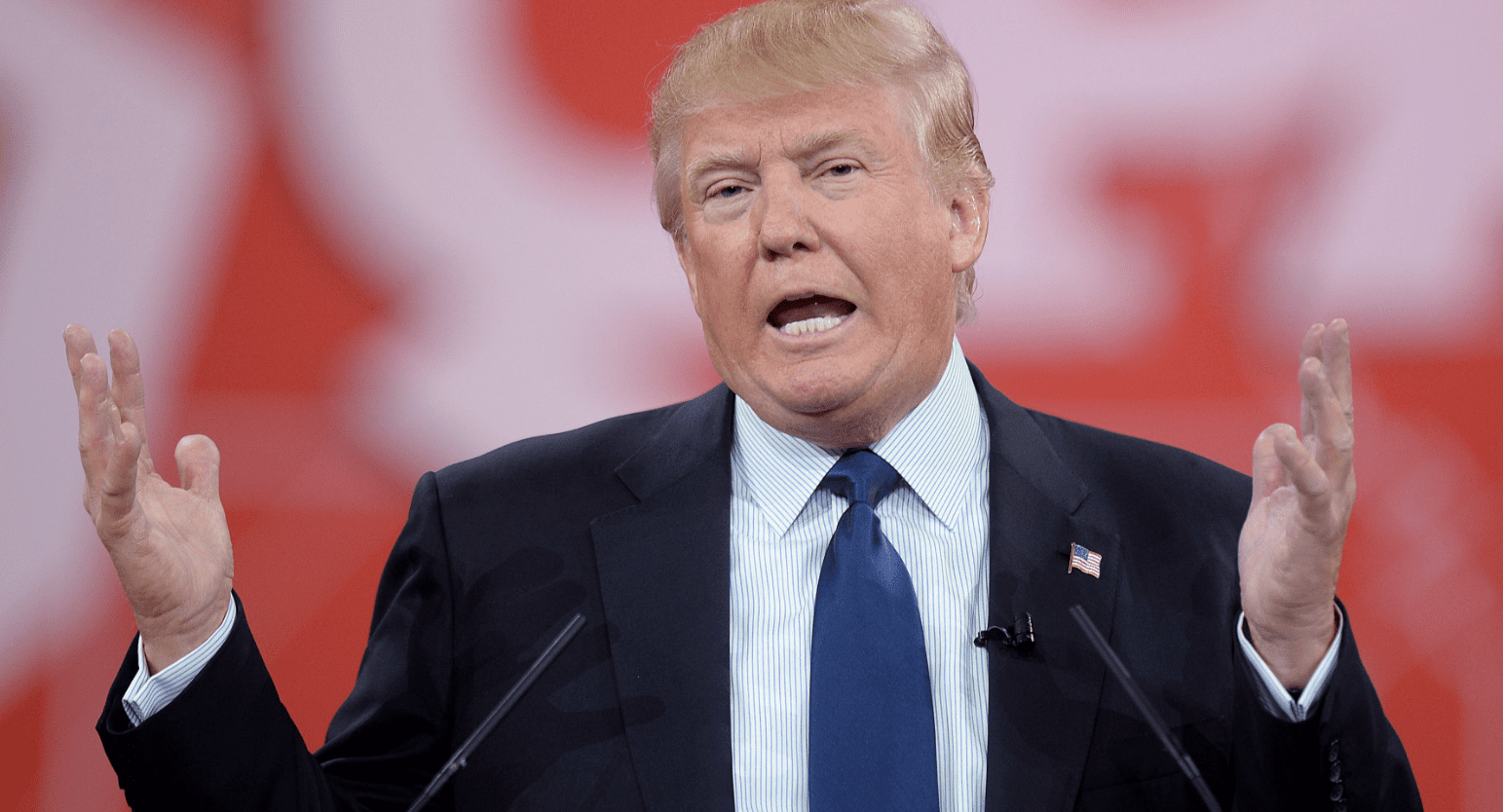
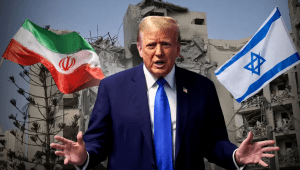
In a sudden and dramatic turn of events, former US President Donald Trump announced a two-week ceasefire agreement with Iran, narrowly avoiding what could have escalated into a devastating military conflict. The decision came just hours before a looming deadline for potential US strikes on Iranian infrastructure, creating a moment of global relief.
While the announcement sparked optimism in financial markets and among international observers, the reality remains complex. This ceasefire may have paused immediate hostilities, but it has also raised serious questions about long-term stability, global perceptions, and the future of US foreign policy.
The Ceasefire That Averted Immediate Conflict
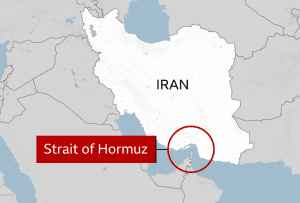
The agreement centers on a temporary halt in hostilities, giving both sides a limited window to negotiate a more permanent solution. As part of the arrangement, Iran is expected to suspend military actions and ensure open passage through the strategically vital Strait of Hormuz.
This narrow waterway plays a critical role in global oil transportation. Therefore, any disruption has immediate consequences for energy markets worldwide. Following the ceasefire announcement, oil prices dropped, and US stock futures surged, signaling renewed investor confidence.
However, this optimism is cautious. The agreement is conditional and fragile, with both sides entering negotiations under significant pressure and deep mistrust.
A Calculated Political Escape
For Trump, the ceasefire represents a strategic exit from a precarious situation. He faced two difficult options: escalate military action with potentially catastrophic consequences or step back and risk appearing weak on the global stage.
By securing a temporary ceasefire, he managed to avoid both extremes. The move allows him to claim a form of victory while buying time for further diplomacy. Yet, critics argue that the situation was largely shaped by his own aggressive rhetoric and brinkmanship.
This raises an important question: was this a masterstroke of negotiation or a risky gamble that could backfire?
The Power and خطر of Rhetoric
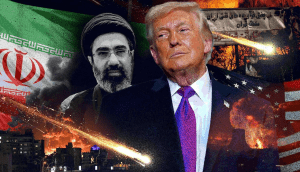
In the days leading up to the agreement, Trump made unusually strong and controversial statements, including warnings of catastrophic destruction. Such language marked a significant departure from traditional diplomatic norms.
Although some supporters argue that this tough stance pressured Iran into negotiations, others believe it may have caused long-term damage. Harsh rhetoric can escalate tensions quickly, making future diplomacy more difficult.
Moreover, these statements sparked backlash not only from political opponents but also from members of his own party. Several lawmakers expressed concern that such language undermines America’s global image and moral authority.
Divisions at Home Reflect Global Concerns
The ceasefire has exposed deep political divisions within the United States. While some Republican leaders supported the administration’s approach, others openly criticized the tone and strategy.
Meanwhile, Democratic leaders strongly condemned the threats and questioned the president’s judgment. These internal disagreements highlight broader concerns about consistency and credibility in US foreign policy.
On the global stage, allies and adversaries alike are reassessing their perceptions of the United States. A country once seen as a stabilizing force is now viewed by some as unpredictable and volatile.
What Happens Next in the Negotiation Window
The two-week negotiation period is crucial. Both sides are expected to address complex and sensitive issues, including nuclear capabilities, regional influence, and economic sanctions.
Iran has outlined several demands, such as the removal of sanctions, compensation for damages, and continued influence over key strategic areas. On the other hand, the US is unlikely to accept these conditions without significant concessions.
This creates a challenging diplomatic landscape. While the ceasefire provides breathing room, it does not guarantee progress. In fact, the coming negotiations could prove even more difficult than the crisis itself.
Economic Signals Offer Temporary Relief
Despite the uncertainty, financial markets reacted positively to the ceasefire. Oil prices dropped below critical levels, and investor confidence showed signs of recovery.
This response reflects how closely global markets are tied to geopolitical stability. Even a temporary pause in conflict can have immediate economic benefits.
However, these gains remain fragile. Any breakdown in negotiations could quickly reverse the trend, leading to renewed volatility in both energy and financial markets.
A Shift in Global Perception
One of the most significant consequences of this episode may be its impact on how the United States is viewed internationally. The combination of aggressive rhetoric and last-minute diplomacy has created a complex image.
On one hand, the ability to secure a ceasefire suggests strength and influence. On the other hand, the path taken to reach that point raises concerns about unpredictability and risk.
This dual perception could affect future alliances, negotiations, and global leadership dynamics. Trust, once shaken, can take years to rebuild.
A Temporary Victory with Uncertain Costs
In the short term, the ceasefire can be seen as a political win. It prevented immediate conflict and created an opportunity for dialogue. However, the long-term costs remain unclear.
Key questions still linger. What will happen after the two-week period? Can both sides reach a lasting agreement? And perhaps most importantly, what precedent does this set for future conflicts?
These uncertainties suggest that while the crisis has been paused, it is far from resolved.
Conclusion: Peace Paused, Not Secured
The US-Iran ceasefire offers a moment of relief in an otherwise tense geopolitical landscape. It demonstrates the power of diplomacy, even when it emerges from the brink of conflict.
However, this is only a temporary pause, not a permanent solution. The coming weeks will be critical in determining whether this fragile agreement evolves into lasting peace or collapses under the weight of unresolved tensions.
For now, the world watches closely, aware that the next chapter could shape global stability for years to come.



Comments are closed.