
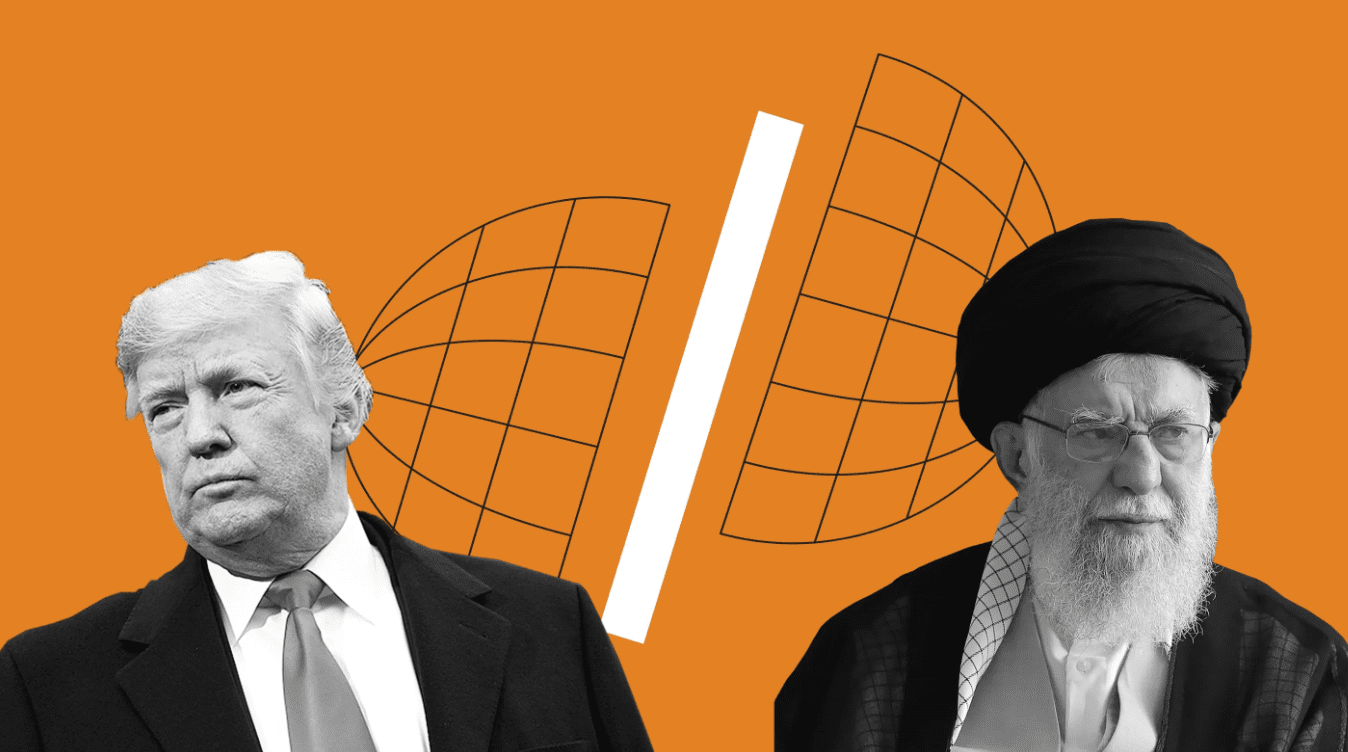
Iran is entering renewed talks with the United States in a surprisingly confident mood, despite months of military setbacks, economic pressure, and internal unrest. As negotiations resume in Oman, Tehran appears convinced that Donald Trump does not have a clear or workable plan for regime change, a belief that is shaping Iran’s hardline negotiating stance and diplomatic calculations.
For outside observers, Iran’s posture looks bold to the point of defiance. Yet for Tehran’s leadership, it reflects a calculated gamble rooted in its reading of Trump’s instincts, US political limits, and the risks of regional escalation.
Iran US Talks Resume Amid Heightened Tensions
The upcoming talks mark the first direct engagement since negotiations were abruptly derailed last summer by a surprise Israeli attack on Iranian targets. Since then, Iran has suffered a series of blows that would normally force a recalibration of strategy.
During a 12 day war with Israel, Iran’s air defence weaknesses were laid bare. Israeli intelligence penetrated deep into Iran’s political, military, and scientific elite. More than 30 senior commanders were killed, and over 160 strikes targeted key military infrastructure.
The pressure intensified in June when the United States joined the conflict. Using B 2 bombers and Tomahawk missiles, US forces struck Iran’s main nuclear facilities at Fordow, Isfahan, and Natanz. The attacks effectively dismantled Iran’s nuclear programme and shifted the regional balance overnight.
Economic Pressure and Domestic Unrest Inside Iran
The military damage has been matched by severe economic consequences. Since June, Iran’s currency has lost more than half its value against the dollar. Food inflation is approaching triple digit levels, worsening already dire living conditions for millions of Iranians.
These pressures triggered nationwide protests in January, exposing both public anger and the state’s willingness to respond with extreme violence. Security forces reportedly killed thousands during the unrest, deepening the rift between the regime and society.
More than a month later, authorities are still filtering the internet, a sign of how anxious the leadership remains about public sentiment. On paper, Iran looks weaker than at any point in years.
Yet its diplomats are acting as if collapse is not an imminent threat.
Iran’s Maximalist Negotiating Strategy
Despite its vulnerabilities, Iran is heading into talks with demands that closely mirror those it made before the Israeli strikes. Tehran is pushing hard on the scope, location, and agenda of negotiations, behaving less like a besieged state and more like a power confident it can dictate terms.
This approach reflects the style of Iran’s seasoned negotiating corps. Veteran diplomats are known for stamina, legal precision, and relentless bargaining. According to former US negotiator Wendy Sherman, Iran’s team is famous for always adding “one more thing” to the table.
What is striking now is not Iran’s toughness, but its belief that talks will not collapse immediately, and that even failure would not endanger regime survival.
Iran Believes Trump Will Avoid War
At the core of Iran’s confidence is a simple calculation. Tehran does not believe Trump wants another costly and unpredictable war in the Middle East.
Iranian strategists assume that the threat of retaliation is enough to deter Washington. Any US strike could provoke disproportionate responses against Israel and US bases, dragging Gulf states into renewed instability and angering regional partners.
Hamidreza Azizi of the German Institute for International and Security Affairs argues that Iran’s security elite sees Trump as risk averse when it comes to prolonged conflicts. From Tehran’s perspective, the goal is to make any military option appear messy, expensive, and politically toxic.
This belief allows Iran to maintain a hardline stance without fearing immediate escalation.
No Clear US Plan for Regime Change
There is also a deeper reason for Iran’s bullishness. Tehran does not believe the Trump administration has a strategy for political change inside Iran.
Even senior US officials have acknowledged this gap. Marco Rubio recently told the Senate foreign relations committee that there is no clear answer for what would happen if Iran’s leadership fell. He compared the scenario to Venezuela, warning that Iran’s political complexity would make any transition far more chaotic.
For Tehran, this admission reinforces the idea that Washington lacks both a theory of change and the patience to manage its consequences. Bombing the regime is one thing. Replacing it with something stable is another.
Divisions Among Iran’s Opposition
Outside Iran, supporters of Reza Pahlavi, son of the former Shah, argue that US military action could reignite mass protests. They believe years of repression have hardened public resolve and weakened the security forces’ will to crack down again.
Some dissidents inside Iran share this view. Human rights lawyer Nasrin Soutoudeh has said many citizens see foreign intervention as a last hope after years of failed resistance.
However, this position is deeply contested.
Prominent figures such as Mir Hossein Mousavi, former prime minister and Green Movement leader, strongly oppose foreign intervention. Along with activists including Nobel laureate Narges Mohammadi, they argue that war would destroy domestic democratic agency and deepen social divisions.
A Call for Change Without War
A collective known as the Group of 17 has articulated an alternative vision. In a statement issued in January, the group rejected both reformism and violent revolution. Instead, it called for accountability for repression, the dismantling of the current system, and a democratic process that allows Iranians to determine their future.
The cost of this stance has been high. Several signatories have been arrested, accused of helping draft Mousavi’s statement. Vida Rabbani is reportedly refusing to cooperate in jail, while Mohammadi has begun a hunger strike.
These actions highlight the courage of domestic opposition, but also its vulnerability.
Trump’s Calculated Distance From Iranian Dissidents
For now, Trump appears disengaged from Iran’s internal opposition. Unlike previous US administrations, there has been little emphasis on human rights or political prisoners in official messaging.
This detachment reinforces Tehran’s belief that Washington is focused narrowly on deterrence and negotiation, not transformation. That calculation could change if talks collapse dramatically, but for the moment it strengthens Iran’s hand.
Iran is betting that Trump prefers deals to disorder, pressure to unpredictability, and leverage to long term nation building.
Conclusion
Iran’s confidence ahead of talks with the US may seem counterintuitive given the damage it has endured. Yet Tehran’s strategy rests on a cold assessment of American limits and political will.
By assuming Trump lacks both a plan for regime change and an appetite for chaos, Iran believes it can hold firm, absorb pressure, and survive. Whether that gamble pays off will depend on how negotiations unfold in Oman.
One thing is clear. The outcome will shape not only US Iran relations, but the future balance of power in a region already on edge.








Comments are closed.