
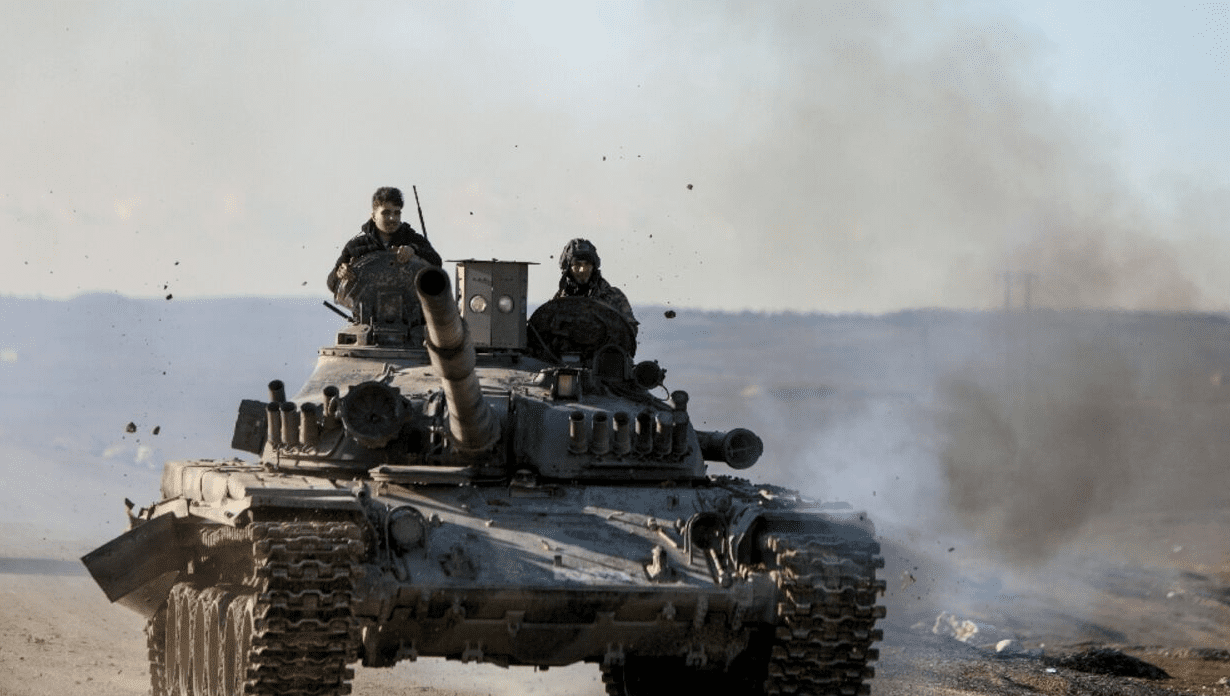
In a historic breakthrough, the Syrian government and Kurdish-led Syrian Democratic Forces (SDF) have agreed to convert a fragile ceasefire into a permanent truce, providing hope for long-term stability in north-east Syria. This agreement, signed after weeks of tense negotiations, outlines a framework for integrating Kurdish-led forces into Syria’s formal military structures while addressing questions of local autonomy and regional governance.
Background and Context
North-east Syria has been a hotspot of tension for more than a decade, primarily due to Kurdish aspirations for autonomy and the central government’s insistence on preserving territorial control. The region has been further complicated by the presence of Islamic State (IS) elements and detention facilities housing thousands of captured militants.
Recent clashes between the Syrian army and the SDF had heightened fears of a renewed spiral of violence. Reports emerged of over 100 IS detainees escaping from detention centers amid skirmishes, prompting urgent security concerns for both local authorities and the international community. The fragile ceasefire that had been in place since January 19th was under pressure, and there were fears that prolonged fighting could destabilize not only Syria but the wider Middle East region.
Key Points of the Agreement
- Permanent Truce:
Both sides have committed to halt all hostilities, replacing the temporary ceasefire with a permanent framework for peace. - Integration of Kurdish Forces:
The SDF will be formally integrated into Syria’s national army under negotiated terms, allowing them to retain some degree of operational autonomy while supporting national security objectives. - Political Representation:
The deal includes provisions for Kurdish representation in local governance, with promises to address cultural, administrative, and economic concerns in historically Kurdish areas. - Security Measures:
Both parties have agreed to joint oversight of detention facilities, reducing the risk of IS militant resurgence and maintaining stability in key towns and cities. - Dispute Resolution Mechanism:
The agreement introduces structured negotiation channels for resolving disputes, helping prevent small incidents from escalating into full-scale conflict.
Potential Impact
Experts believe the agreement could mark a turning point for Syria’s conflict-ridden northeast:
- Reduced Violence: The permanent truce promises an immediate reduction in armed clashes and civilian casualties.
- Stabilization of Detention Centers: Coordinated security measures will reduce the risk of IS fighters escaping or regrouping.
- Economic and Humanitarian Relief: With security improved, aid organizations can expand operations, and reconstruction projects may resume in previously contested areas.
- Political Precedent: The integration of the SDF into the national army could serve as a blueprint for incorporating other local militias, demonstrating that negotiated integration is possible in Syria.
Challenges Ahead
While the agreement is a historic achievement, several challenges remain:
- Mutual Compliance: Ensuring both sides respect the truce will require close monitoring and enforcement.
- Regional Politics: The agreement’s success depends on continued support from neighboring countries, the UN, and key international stakeholders.
- Preventing IS Resurgence: Detention centers must remain secure to prevent militants from exploiting any security gaps.
- Local Acceptance: Full integration of the SDF will require managing local populations’ expectations and balancing autonomy with national oversight.
Regional and Global Significance
The truce has been widely welcomed by international observers as a rare example of diplomacy prevailing over armed conflict. Analysts note that the deal could stabilize Syria’s north-east, reduce cross-border tensions, and limit the ability of extremist groups to exploit political instability.
For decades, the Kurdish population in Syria has sought recognition, cultural rights, and a degree of self-governance. This agreement represents an unprecedented opportunity for long-term coexistence between Kurdish forces and the central government.
Recent Developments Leading to the Truce
- January 20-22: Reports emerged of IS prisoners escaping amid clashes between Kurdish forces and the Syrian army, raising fears of renewed terrorist activity.
- January 21-23: Syrian government forces advanced into several Kurdish-held towns, prompting international concern over civilian safety.
- January 24-28: Intensive negotiations, mediated by local and regional stakeholders, laid the groundwork for a permanent truce.
- January 30: Agreement signed, with both sides publicly committing to integration, cooperation, and long-term peace.
The agreement is a critical milestone not just for Syria, but for the broader Middle East, illustrating that dialogue and compromise are possible even in the most entrenched conflicts.












Comments are closed.