
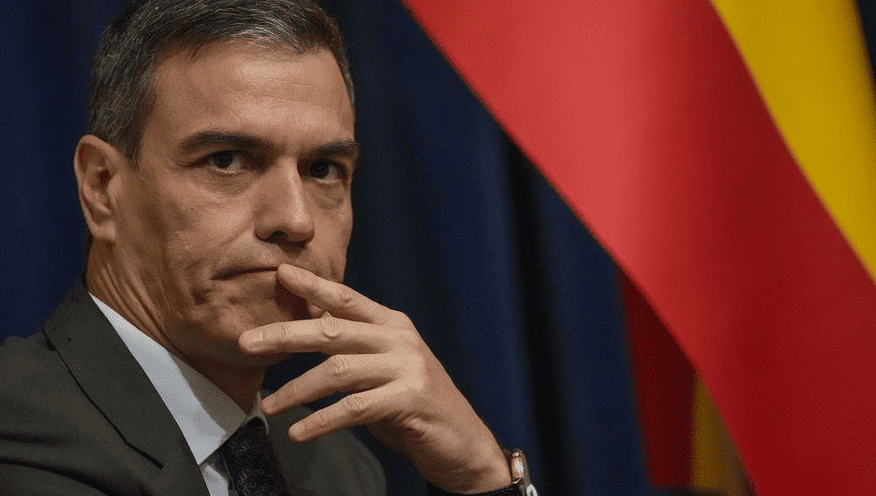
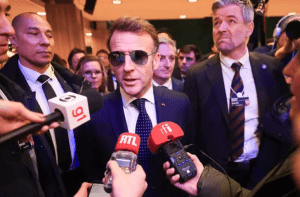
Spain has announced sweeping plans to ban social media access for children under the age of 16, marking a major escalation in Europe’s growing crackdown on the power of digital platforms. Prime Minister Pedro Sánchez unveiled the proposal at the World Governments Summit in Dubai, framing it as a necessary response to what he called the online “digital Wild West.”
If approved by parliament, the measures would place Spain among the most aggressive regulators of social media in the democratic world, following Australia’s landmark ban and amid similar debates across France, the UK, and other European nations.
Spain Plans Social Media Ban for Under 16s
Under the proposed legislation, children under 16 would be prohibited from using social media platforms. The ban forms part of a broader package of digital reforms designed to protect minors and hold technology companies more accountable for the content circulating on their platforms.
Sánchez argued that existing safeguards have failed to protect young users from online harms. According to the prime minister, children are being exposed to environments defined by addiction, abuse, pornography, manipulation, and violence.
He made it clear that Spain intends to draw a line. The government’s goal, he said, is not regulation for its own sake, but protection for a generation growing up online without meaningful guardrails.
Stronger Age Verification and Real Barriers
A central pillar of the plan involves mandatory age verification systems for social media companies. Sánchez stressed that simple check boxes or self declared ages would no longer be acceptable.
Instead, platforms would be required to introduce real and effective barriers that prevent underage users from accessing social media services. This approach directly addresses criticism of Australia’s ban, where children reportedly bypass age checks by using photos of adults or other basic workarounds.
By forcing platforms to redesign how they verify users, Spain is signaling that responsibility lies not with parents alone, but with the companies profiting from youth engagement.
Executives Held Responsible for Harmful Content
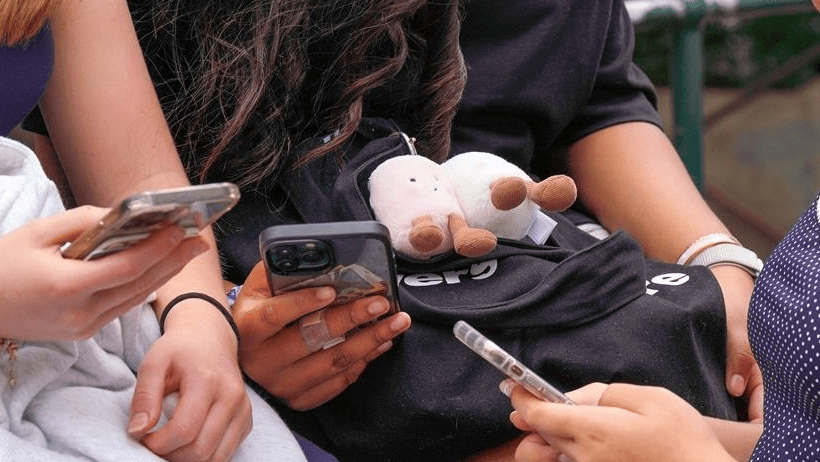
One of the most striking aspects of the proposal is the plan to make company executives legally responsible for illegal or harmful content hosted on their platforms. This represents a significant shift away from the long held industry argument that technology platforms are neutral intermediaries.
Sánchez rejected that idea outright. He said hiding behind algorithms and claiming neutrality is no longer acceptable when systems are designed to amplify content for profit.
The proposed laws would also criminalise the deliberate manipulation of algorithms to boost illegal content, including disinformation and material that fuels hate or division.
Tracking Hate and Digital Polarisation
The Spanish government also plans to introduce a new system aimed at monitoring how digital platforms amplify hate and deepen social division. While few technical details have been released, Sánchez suggested the system would examine how algorithms shape public discourse and reward extreme content.
This move aligns with broader European concerns that social media platforms prioritise engagement over social stability. Critics argue that outrage driven algorithms contribute to polarisation, misinformation, and online abuse, especially among younger users.
If implemented, the system could become a model for future digital oversight across the European Union.
Investigations Into Major Platforms and AI Tools
Alongside the proposed ban, Sánchez announced intentions to investigate and prosecute alleged crimes linked to major platforms and AI tools, including Grok, TikTok, and Instagram.
The European Commission has already launched an investigation into Grok, the AI tool linked to X, over concerns it was used to generate sexualised images of real people. The UK has opened its own investigation, while French authorities recently raided X offices in Paris as part of a cyber crime probe.
These developments highlight a coordinated European push to scrutinise not only social media platforms, but also emerging AI systems that can generate or amplify harmful content at scale.
Political Support and Resistance at Home
Despite the bold announcement, passing the legislation may prove challenging. Sánchez leads a left wing coalition government that lacks a clear parliamentary majority.
Spain’s main opposition party, the conservative People’s Party, has expressed support for the idea, noting that it has previously proposed similar restrictions. This alignment could help the government secure enough backing to move the bill forward.
However, the far right Vox party has strongly opposed the plan, framing it as an attack on personal freedom and free speech. The political debate is expected to intensify as the proposed vote approaches.
Global Context and Growing Momentum
Spain’s move comes amid a wave of international action on youth social media use. Australia became the first country to implement a nationwide ban for under 16s, a decision that is being closely watched by governments around the world.
France has announced plans to ban social media for under 15s by the start of the next school year. Denmark and Austria are also considering national age limits, while the UK government has launched a public consultation on a potential under 16 ban.
This growing momentum reflects a shared concern that existing self regulation by tech companies has failed to protect young users effectively.
Tech Industry Pushback and Free Speech Claims
Social media companies have consistently argued that age based bans are ineffective, difficult to enforce, and potentially harmful. Critics within the industry claim that banning platforms could isolate vulnerable teenagers who rely on online communities for support.
Legal challenges are already emerging. Reddit is currently challenging Australia’s ban in the High Court, and X has characterised investigations in France as politically motivated attacks on free speech.
Elon Musk, owner of X, responded to Spain’s announcement by labelling Sánchez a tyrant and traitor to the Spanish people. His comments underscore how emotionally charged the debate has become, particularly when regulation intersects with political power.
What Happens Next in Spain
Sánchez has said he hopes to push the legislation through parliament as early as next week. If successful, Spain would become one of the strictest regulators of social media access for minors in Europe.
Even if the law passes, implementation will be complex. Age verification systems, enforcement mechanisms, and legal challenges are likely to shape how effective the ban ultimately becomes.
What is clear is that Spain’s proposal signals a turning point. Governments are no longer content with voluntary safeguards or industry promises. The focus has shifted firmly toward accountability, enforcement, and child protection.
Conclusion
Spain’s plan to ban social media for under 16s represents one of the most ambitious attempts yet to rein in the digital platforms that dominate modern life. By combining age restrictions, executive accountability, algorithm oversight, and criminal investigations, the government is sending a strong message to the tech industry.
Whether the legislation passes or not, the debate it has sparked will resonate far beyond Spain’s borders. As more countries confront the social cost of unregulated digital spaces, the era of hands off social media governance may be coming to an end.









Comments are closed.