
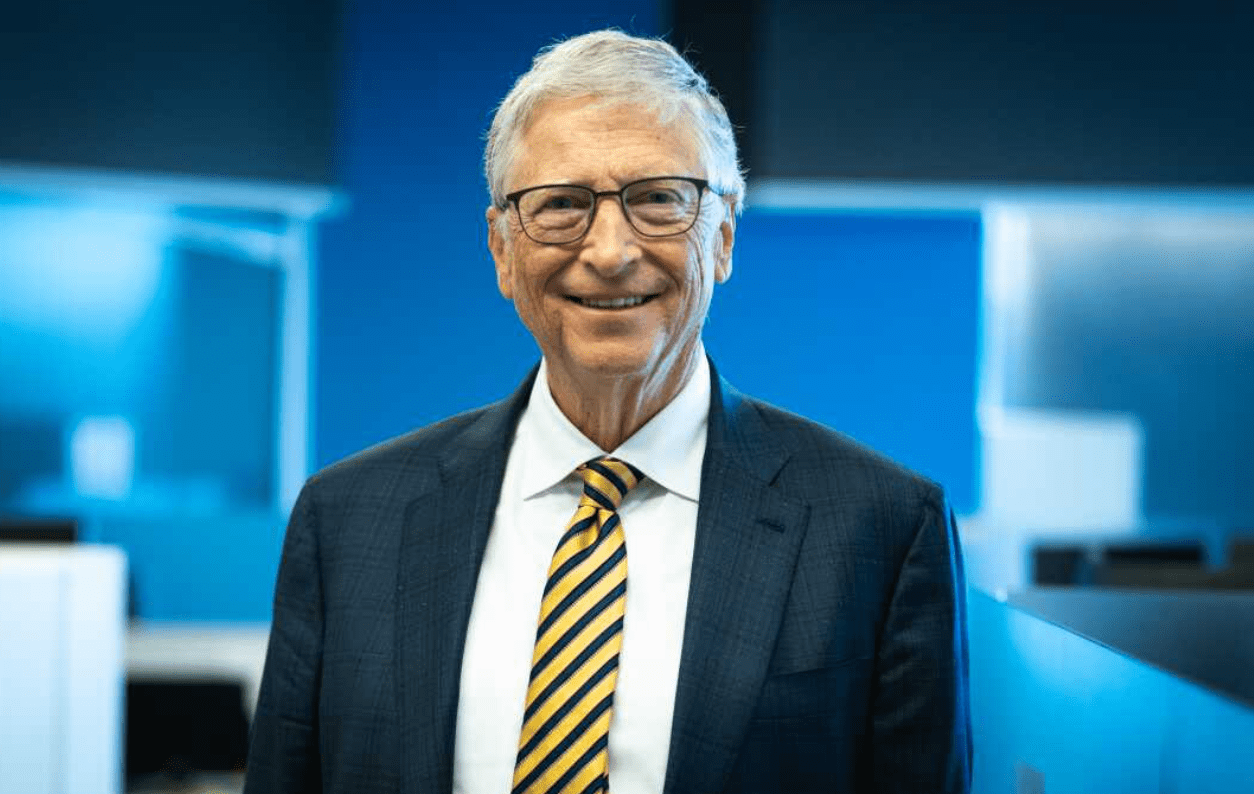
The world is facing a devastating reversal in global health progress, and Bill Gates is not staying quiet about it. For the first time in 25 years, preventable child deaths are rising. According to the Gates Foundation, an estimated 200,000 more children will die this year compared to last year. Gates points to one major cause: drastic cuts in global aid from wealthy nations.
Although known for his calm and non-political demeanor, Gates is now delivering one of his starkest warnings yet. And he insists that ignoring this crisis will cost even more lives.
A Crisis After Years of Progress
Between 2000 and 2025, the world saw extraordinary advancements in child survival. Child mortality dropped from 10 million deaths per year to nearly half that number. Gates calls this global progress a miracle made possible through vaccines, medical innovations and consistent international investment.
However, that momentum has shifted. As global funding declines, the world is entering a dangerous period. Gates stresses that it is no surprise child deaths are rising again when wealthy countries reduce support after decades of progress.
Where the Aid Cuts Hurt Most
The most devastating impacts are happening in places like northern Nigeria. In these regions, more than 10 percent of children die before the age of five, compared to less than 1 percent in the United States.
Cuts in aid led to sudden layoffs, reduced malaria prevention efforts, fewer bed nets and delayed tuberculosis detection. While the U.S. reduction drew much attention, Gates emphasizes that the UK and Germany also cut funding. Together, these reductions are creating a perfect storm of preventable tragedy.
Conversations With the Trump Administration
Gates says U.S. officials have disputed the idea that aid cuts led to more deaths. Even so, the philanthropist remains focused on rebuilding relationships and restoring funding.
He has held productive discussions with President Donald Trump and Secretary of State Marco Rubio. While no one wants to accept responsibility for the current crisis, Gates hopes bipartisan cooperation will return global aid to previous levels.
Vaccine Funding and Rising Skepticism
Another challenge is declining trust in vaccines. Gavi, the global vaccine alliance, recently raised 25 percent less funding than its previous cycle. Gates warns that this shortfall will limit access to lifesaving vaccines in lower income countries.
He also acknowledges that vaccine skepticism in wealthy nations has created confusion and fear. While diseases like measles are rare in the U.S., they are far more deadly in poorer regions. Gates continues to advocate for clear communication and strong partnerships, even with officials who disagree, such as HHS Secretary Robert F. Kennedy Jr.
The Push to End Polio
Despite setbacks, Gates sees hope in the global effort to eradicate polio. He shares that President Trump has taken a personal interest in finishing the fight. Gates even joined calls with Pakistani military officials to address security issues that prevent vaccinators from reaching vulnerable communities.
With only Pakistan and Afghanistan still reporting polio cases, coordination and funding remain crucial.
Shifting Climate Priorities
Gates also sparked debate when he argued for prioritizing climate adaptation alongside climate mitigation. He believes limited resources must be invested where they will save the most lives.
Although some critics accused him of downplaying climate action, Gates argues that smart spending and measurable outcomes matter more than political sentiment.
AI’s Promise and the Coming Disruption
Looking ahead, Gates sees artificial intelligence as a powerful tool for reducing inequality. He envisions AI assisting farmers, improving healthcare access and supporting education in underserved regions.
Yet he warns that AI will also bring major job disruptions. While the technology grows more capable each month, policymakers have not yet defined how to protect workers or manage the transition.
A Call for Leadership
Gates remains determined. Whether speaking with world leaders, combating misinformation or pushing for innovative solutions, he continues to advocate for vulnerable communities.
He says the choices made over the next few years will determine whether the world continues its progress or slips further backward.
Conclusion
The rise in preventable child deaths marks a turning point in global health. Gates makes it clear that the world knows what works, and the solutions already exist. What is missing is the political will and financial commitment to protect children who rely on global solidarity. As aid budgets shrink and crises multiply, Gates warns that the stakes have never been higher.









Comments are closed.