
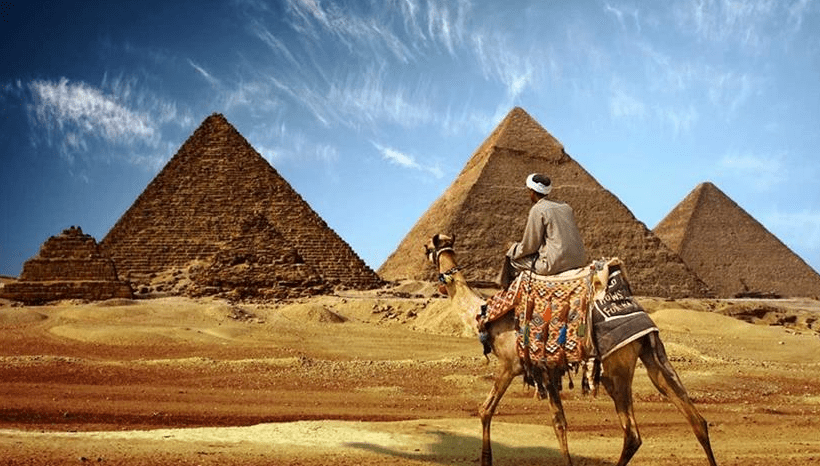
A groundbreaking scientific study is forcing historians to rethink one of the most important periods in Ancient Egypt’s history—and the implications could reshape everything we know about the rise of its most famous pharaohs.
New radiocarbon evidence suggests that the start of the New Kingdom may have occurred nearly a century later than scholars have long believed, challenging a timeline that has stood for generations.
Ancient Egypt Timeline Discovery Changes New Kingdom Dating
For decades, historians placed the beginning of the New Kingdom around 1570 BCE, following the collapse of the Second Intermediate Period. This era marked Egypt’s return to political stability and imperial power, producing some of the most iconic rulers in history.
But new research now indicates that this transition may have happened significantly later.
The study, conducted by researchers from Ben-Gurion University of the Negev and the University of Groningen, focused on radiocarbon dating linked to King Ahmose, the ruler credited with founding the New Kingdom.
The Santorini Eruption Changes Everything
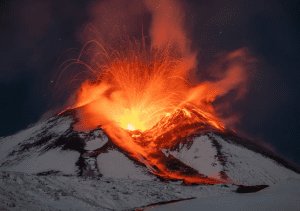
Central to the discovery is the volcanic eruption on Santorini, also known as the Thera eruption—one of the largest volcanic events in human history.
Until now, many scholars believed this eruption coincided with the rise of the New Kingdom. However, the new radiocarbon data shows the eruption occurred before key Egyptian artifacts associated with Ahmose’s reign.
That finding pushes the start of the New Kingdom forward in time.
Objects That Rewrote History
Researchers analyzed several museum-held artifacts that are firmly tied to the transitional period between dynasties. These included:
- A mudbrick from the Temple of Ahmose at Abydos
- A linen burial cloth linked to Satdjehuty
- Wooden shabti figures from Thebes
Each object had a well-established historical context. Radiocarbon testing revealed that all of them postdated the Santorini eruption—directly contradicting long-held assumptions.
Why the New Kingdom May Have Started Later
According to the research team, this evidence suggests the Second Intermediate Period lasted much longer than traditional chronologies allow.
In their findings, the authors explained that this was the first direct radiocarbon comparison between the dynastic transition in Egypt and the Minoan eruption timeline. The result is a more precise—and more disruptive—historical alignment.
Lead author Hendrik J. Bruins said the data indicates the New Kingdom began later than previously thought, forcing scholars to reconsider how Egypt’s political and cultural revival unfolded.
What This Means for Egyptian History
The New Kingdom is widely regarded as Ancient Egypt’s golden age, producing legendary rulers such as Hatshepsut, Thutmose III, Akhenaten, Nefertiti, Tutankhamun, and Ramesses II.
If the era began later, it alters how historians synchronize Egyptian history with events across the ancient Mediterranean world. It also affects timelines used to study trade, warfare, climate change, and cultural exchange.
A Major Shift for Egyptology
While the discovery doesn’t rewrite Egyptian history overnight, it opens the door to a major reassessment of one of humanity’s most studied civilizations.
As radiocarbon technology becomes more precise, experts believe more long-standing historical assumptions may soon be challenged—proving that even the ancient past is still full of surprises.













Comments are closed.